Blog

  • What Would Olivia Pope Do?

    For those of you who watch “Scandal” you all know the forbidden love story of President Fitz and Olivia Pope, who we’re all rooting for. However, for Monica Lewinsky and her presidential love, it was the exact opposite.

    Last week Monica Lewinsky released a TED Talk that focused on bullying through and by media outlets. She begins the talk by telling a story of being hit on by a twenty-seven year old who used the pickup line, “I can make you feel twenty-two again.” Lewinsky then jokes, “I think I am the only person over forty that does not want to be twenty-two again.” She then explains that at the age of twenty-two she fell in love with her boss, who happened to be President Bill Clinton. Then, at age twenty-four she, “learned the devastating consequences.” Next, she asks the audience for a show of hands of the people who didn’t make any mistakes or do anything they regret at the age of twenty-two. Of course nobody raises their hands.

    When the story broke, in 1998, social media wasn’t around yet. However, Lewinsky points out that people could still comment on things online, send cruel emails, use pictures in banner ads to catch viewer’s attention, and many other things. She quickly transformed from a private citizen to a hugely humiliated public figure. Lewinsky then states, “When this happened to me seventeen years ago, there was no name for it. Now we call it cyberbullying and online harassment.”

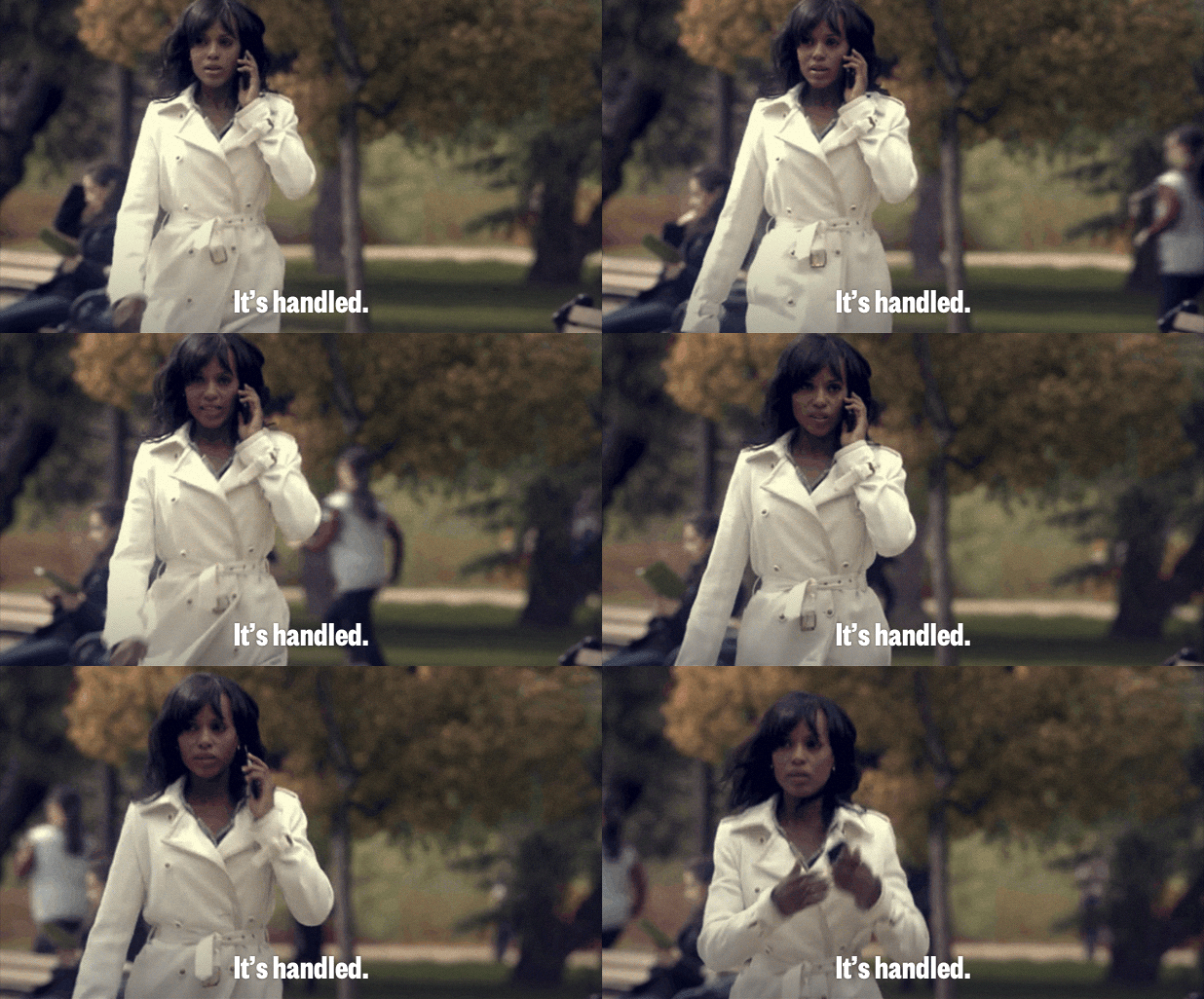
    Monica Lewinsky is infamous for the scandal so many years ago, and is now trying to rebrand herself. In 1998, the media created an image for her as a tramp, slut, etc. Now she is using this image to gain people’s attention and educate listeners about cyberbullying and online harassment. She is rebranding herself and redefining her story. Sounds like advice Olivia Pope would give.
    its-handled

    -Kelli Hall, Mallory Brayman, Morgan McCleaf
  • Detrimental or a Small Setback: The Hillary Clinton Email Scandal

    Politics and political matters have changed drastically with the introduction and progression of the Internet. The Internet has advanced in many ways that allows politicians to communicate their brand and message to a wide, varied crowd and has allowed public figures to establish a brand image on a social feed. An online presence has made it easier for politicians to connect and interact with potential voters, thus expanding the reach of their targeted campaigns. While the Internet has may have positive effects on politics, there are also negative effects that are unavoidable as the Internet continues to advance due to the quickness of news and the potential for leaks.

    hillary-clinton-email

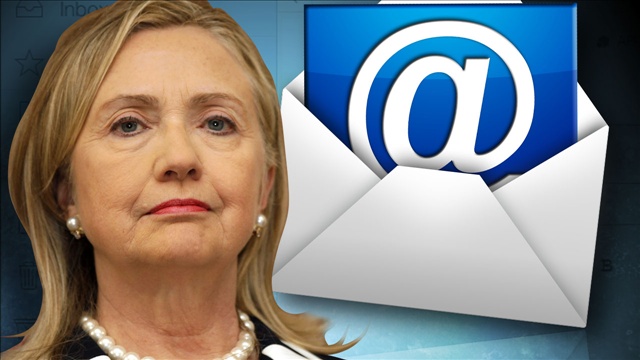
    Hillary Clinton recently damaged her brand by allegedly communicating via her personal email instead of her professional email, deterring from the trusted brand she has created in her political career. Clinton discussed private, classified issues on her personal email account, and now she is facing the blowback from the press, her peers, the legal system, and the entire nation as her pending presidency nears.

    Clinton tried to clear her name by calling an impromptu press conference, but it seemed to have the opposite effect when she deleted roughly 30,000 personal emails right before the meeting took place. By sending emails from her personal account, Clinton may have hurt her image in the public eye, which could in turn hurt her future candidacy. At such a crucial time in her political career, Clinton needs to pay careful attention to how her personal brand is viewed by her potential voters. Aside from print advertising, public figures must advertise themselves in the public eye especially in a presidential setting.

    According to a poll released by CNN, a majority of American respondents think that Clinton made a mistake by using her personal email for work. The results of the poll show that 51% of the respondents think that this allegation will be a “somewhat serious” problem for Clinton, while the other 48% of respondents think that this will be a “very serious” matter.

    Clinton claims that the use of her personal email for work related content was to help make her job a little less hectic. That being said, Clinton is still one of the front-runners for the 2016 election at this point. With election season nearing, American citizens will be continuously exposed to constant controversy. Does this controversy affect Hillary Clinton’s brand image, or is it unrelated to how she is portrayed in the public eye?

    – Hannah Rodgers, Kaitlyn Russell, Anna Joy Zima

  • Education of Thom-orrow

    Good afternoon and welcome back!

    In honor of Ted Cruz announcing his run for presidency, this week we will analyze political advertisements and the ways political figures use advertising to sway the public’s opinion. Most political advertisements are developed to inform, and inspire, immediate and extended audiences of issues surrounding a campaign, but each political event calls for a multitude of attack ads. These ads can be more influential than the previously mentioned methods of advertising. I’m sure you remember the recent ‘battle’ between Thom Tillis and Kay Hagan. If you as a voter realized that their ads aimed to deter voters from the opposition’s ideas and keep them from resonating with the voters, then you probably chose to avoid their YouTube channels during their run for office.

    How are these ads so effective and why do we remember them long after the election is over? Take a look at one of the many ads focusing on Thom Tillis’ neglect of education’s importance in North Carolina.

    One method of analyzing this advertisement is focusing on Hagan’s appeal to fear. In politics, education and all facets of education are always debated, but there are ways to frame a message regarding education that yield a change in attitudes, or behaviors. The use of phrases such as “terrible for education,” “millions of dollars in cuts,” and “children don’t receive the attention they need” cause the audience to form attitudes towards his campaign without him being present. The extended parallel process model can explain the effects of fear appeal messages in more detail. When an audience is provided a series of threats, their brains are automatically processing the perceived threats, severity of the threats, and their own susceptibility to the threats presented. Susceptibility is the extent a person believes the threat can actually happen, and since most people have children education cuts become a huge concern. The severity is obviously how severe we perceive these threats to be in our own lives. In this particular commercial, Hagan displays the negative aspects of Tillis’ campaign in large letters and shows the millions of dollars he allegedly proposed to cut in bold to create a sense of urgency. Self-efficacy also plays a role in this model, which is simply our ability to engage in the recommended course of action, or in this case vote for Kay Hagan. However, the Extended Parallel Process Model states a fear appeal is only effective if there is a strongly perceived threat and efficacy.

    There are three responses described in the EPPM: no response, fear control response, and danger control response. We are more likely to avoid making the recommended action, if we do not perceive danger. This response or lack of response rather, is understood as no response. The fear control response takes place when we believe there is danger, but we believe more strongly that the recommended action will not be effective. A person that believes there is a present danger and that the recommended action will protect him or her from that danger, is an example of when the fear appeal will be successful.

    I hope you pay close attention to these types of advertisements this election ‘season’ and be careful in the way you perceive the messages and actions being proposed. We would like you to share some of the most extreme or most effective fear appeal political advertisements that you can remember.

    -Colby Cummings, Connor Gold, Chase Seymour

  • Dancing with the Stars

    Happy spring everyone! Today is the first day of spring and with this comes one of the most highly anticipated sports events of the year, March Madness. In recents years, over 181 million people have watched the games and even with the steady decline of attendance in D-1 basketball over the past 7 years, the March Madness championship is able to curb the average.

    Since all eyes are on the tournament, brands and companies have taken advantage of the opportunity to advertise. In the last decade, 266 marketers have spent more than $5.9 billion in advertising during March Madness. One unfamiliar brand advertising during the tournament this year is the National Basketball Association.

    The NBA will debut their “The Dance Never Ends” campaign on Monday, March 23. The campaign features NBA all-stars such as Stephen Curry, Tim Duncan and James Harden. These players are significant to the campaign because they were once in the tournament spotlight. Players such as Curry were able to use the tournament to make a name for themselves.

    The commercial shows the players making a highlight play in their typical NBA attire then changing to the jerseys the once wore in college. The campaign will feature the commercial and print ads. Keep a lookout for the commercial starting Monday.

    So, how does your bracket look so far? Will you be dancing until the end?

    – Nick Bolick, Olivia Sadler & Patrick Wagner

  • Spring is Here, and Beach Season is Around the Corner!

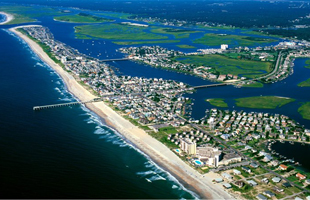
    Spring has arrived and thus 2015 kicks off its start to warm weather. The weather change doesn’t just make people want to go outside and relax or take the boat out, but it’s a crucial time for advertisement. The on and off seasons hit close to home since Wilmington is a coast side city, tourist location, and has multiple beaches. Spring kicks of Wrightsville beach’s overdrive time to bring in tourists and ultimately money to survive the desolate winter months. Billboards for the numerous hotels and resorts can be seen lining I-40 and highway 74 miles before you even get into Wilmington. Tourist spots all across Wilmington and even Carolina beach implement billboards and air time to promote themselves, and it seems a bit monotonous over the years, and yet the beaches are packed the moment its gets over 70. It seems as though something else is in play when it comes to popular tourist attractions.

    Do natural tourists havens really have to try as hard to attract people over the summer? It would appear that businesses can almost slack off or not be as creative to promote their brand and still be booked until October. Some places do cut their rates in the off-season, Blockade Runner goes from up to $300 a week to around $129 during the winter months. Living in Wilmington it may be difficult to specifically take note of all the advertisement these businesses do, but it seems like they stick to a basic routine and it serves them well.

    Is it just us or do beach side tourist locations have to try at all to keep the lights on?

    wb aerial for website

    -Spencer, Jill, James.

  • ETEAL Exploration Day

    Today, our COM 438 class is hosting a campus-wide event to promote the applied learning opportunities in each department at UNCW! We designed banners to hang on Chancellor’s Walk, flyers to distribute, and set up QR codes for each table in order to make today as interactive as possible!

    This was a unique opportunity for our class to take what we have learned and execute it.

    image

    ETEAL Exploration Day is today, Wednesday March 18th, from 10-2. There will be tables in every academic building on campus, and there will be people at each table who can tell you more about specific applied learning opportunities in that department. If you’re on the UNCW campus today, stop by a few tables and check it!

    -Mallory Brayman, Kelli Hall, Morgan McCleaf

  • Family Friendly or Spring Break Worthy?

    Each year, thousands of college students travel to various cities for spring break. While some destinations are more popular than others, students love any chance to travel somewhere new. Unfortunately, some destinations have bad reputations that makes vacationers wish they had just stayed home instead. Coed is a blog that posts a yearly list called “America’s Top 20 Trashiest Spring Break Destinations”. This year Myrtle Beach, South Carolina was ranked number 3 on the list. That’s appealing to college students, but the city of Myrtle Beach doesn’t think it’s too impressive for it’s branding.

    beach_sc

    The city of Myrtle Beach is a popular vacation spot and has many attractions that are family-friendly and appropriate for all ages. The list posted by Coed harms their brand image overall because Myrtle Beach doesn’t want to only be known as a spring break spot, but as a family destination. This negative publicity goes against the brand image of being a fun and friendly place to vacation. On their website, the city of Myrtle Beach boasts about tons of restaurants, attractions, events, and festivals–none of which include typical spring break activities.

    Myrtle Beach is experiencing a brand crisis. They want to to have a broad target audience so that they appeal to all types of people. However, within the city, various restaurants and venues are advertising themselves to specific target audiences, such as college students or young adults. In order to improve their overall brand image, the city needs to work with the businesses’ in city in order to create one overall brand cohesiveness.

    How else can Myrtle Beach combat their title as number three on the “America’s Top 20 Trashiest Spring Break Destination”?

    -Anna Joy Zima, Hannah Rodgers, Kaitlyn Russell