Blog

  • The Power of A Few Words

    In society today, there is an abundance of good slogans relating to the worlds of politics and advertising that adorn and surround our everyday life. Although many of these slogans often seem to be utterly vacuous, as they leave us with nothing, slogans still remain a very powerful example of the power of words and how their influence in motivating people and consumers. Advertising incorporates a series of crucial elements such as images, characters and music in order to further make their slogans even more memorable than the next brand or product.
    These often-superfluous gimmicks play a much larger role than one may expect. In fact, in the increasingly complex and ever-changing world we live in, simplicity counts in the form of communication.
    According to www.SloganPower.com, a powerful and efficient slogan should be able to:
    • Convey the essence of your organization or brand
    • Build your corporate or brand image
    • Establish your unique position in the marketplace
    • Attract and retain customers
    • Boost staff morale
    • Liven up your corporate literature
    • Enhance your competitive advantage

    Here are some examples of the most famous and successful slogans in our society:

    I’m lovin’ it – McDonalds
    What Would You Do For A Klondike Bar? – Klondike
    Yes We Can! – Obama Campaign 2008
    Just do it. – Nike
    Das Auto – Volkswagen
    All the news that’s fit to print. – The New York Times
    Let Your Fingers Do The Walking. – Yellow Pages
    Have it your way. – Burger King
    M’m! M’m! Good! – Campbell Soup
    The Citi Never Sleeps – Citi Bank
    Got Milk? – Milk Campaign
    Have a break. Have a Kit-Kat. – Kit Kat

    All of these examples are very successful slogans that most of us recognize instantaneously. Some of them may even instill sentiment into our hearts for one reason or another. But out of these examples, some stick out more than others. A good example is Nike’s slogan “Just Do It” because it is a very inspirational and successful campaign. The company has turned this slogan into a phenomenon and uses it to brand their products, including everything from t-shirts, to watches, to bracelets, to shorts and shoes, etc. The key is to motivate people to get up and get active, or essentially to go out there and literally “just do it.” These three words are very powerful.
    Today, even our schools have slogans help keep students motivated and give them a sense of community with the school. UNCW recently changed their slogan to “Together We Fly.” A slogan like this not only brands the school well, but it gives the faculty, staff, and students a sense of togetherness. The school then exemplifies a certain image about our university and how well we connect with each other. Bringing a positive image to our school is a huge part of our overall strategic branding. Effective branding will create a greater desire for prospective students to apply here and also help our image overall as an accredited university. Universities all over the world use their slogans to entice prospective applicants to become a part of their alma mater. Everyone in North Carolina knows exactly what school is being discussed when they hear “Tar Heels”.   The University of North Carolina Chapel Hill has established a dominating and elite brand reputation for their school since the 1700’s. When a slogan has motivation combined with pride, it can take the brand to a whole new level of accomplishment.

    Companies and institutions use slogans for a variety of reasons.  There are so many products available today, and consumers are not going to remember each product along with the entire marketing theme associated with such products.  Slogans are easy and catchy ways to grasp the general message that a company is trying to convey.  Just a few words can be extremely powerful in the effort to gain the attention of consumers.

    Sasha De Vecchi, Lindsay Gallagher, Jay Reilly, Cary Welborn

  • What Do You Stand For?

    With baseball’s 2012 Fall Classic in full effect, sports lovers from all over the country have tuned in to see whether the Detroit Tigers or San Francisco Giants are going to be this year’s World Series champions.  Those who missed game one of the series that took place on October 24th, missed one of the most moving phenomenons ever to take place on a baseball field (no it was not Pablo Sandoval’s historic three-homerun night).  Over 40,000 people showed their support for the Stand Up To Cancer (SU2C) foundation as they held a placard that read “I Stand For” followed by a name of someone diagnosed with cancer written by the holder of the placard.

    SU2C is an innovative project created to accelerate advanced cancer research that will quickly provide therapies to patients and save more lives.  They have taken a different route in promoting their brand by collaborating with other cancer foundations instead of competing against them.  The foundation is currently teamed up with six other cancer foundations and four research teams.  What really stands out about their brand though is the level of involvement they have with our society.  Aside from having game one of the World Series dedicated to the foundation this year, the foundation gathers much support from the entertainment industry.  Many of today’s well known celebrities are advocates for SU2C and even partook in a fundraising event that aired on national television.

    The show was dedicated to the 13 million US cancer survivors and generated over $81 million.  The show was a very motivating rally against the disease and was topped off with stellar performances from Taylor Swift, Alicia Keys, Tim McGraw, and Coldplay.

    SU2C could not have done a better job promoting their brand and their foundation.  By gaining support from all of the biggest names in Hollywood and Sports, they have gotten the attention of people all across the country and with all of this attention and publicity will come support.  SU2C is a great foundation fighting to cure a terrible disease and with their successful promotions, they will gather surplus amounts of donations and support.

    Zachary Abramo, Meaghan Beam, Jessica Butner, Jackson Lane

  • Here’s to Stronger, Healthier Babies

    “Working together for stronger, healthier babies,” that’s the motto for the March of Dimes.  This also encompasses the ideology behind the marketing of their organization.  Founded in 1938 by President Franklin D. Roosevelt, the original purpose was to fight against the outbreak of polio.  These days the March of Dimes has moved to prevention of birth defects, premature birth, and infant mortality.  The mission of the March of Dimes is to improve the health of babies through research, education, and outreach, much of which is now being done through the use of social media.

    If you need a quick pick-me-up, just take a peek at the March of Dimes website.  You’ll be greeted by extreme baby cuteness inviting you to volunteer, learn, and give.  On this site expectant mothers can find information for every stage of their pregnancy, including how to prepare and care for their new baby.  Much of this information is to educate families about potential health complications that come with pregnancy and newborns.  The site also holds information for health professionals, individuals looking to volunteer and advocates, as well as ways to get involved and give financially to the organization.  Through the simple click of a button anyone can get involved in the fight for infant health.

    The March of Dimes is not only known for their research on infant health problems, but also for their commitment to making a difference in the lives of the families dealing with these issues through their “March for Babies” events.  With the help of national sponsors, volunteers, and millions of participants, the March of Dimes hosts hundreds of events across the country every year, raising money to further their research and outreach abilities.

    For  families who may have a child on the way, have had to deal with the tragic loss of an infant, or have experienced any health complications, the March of Dimes provides an opportunity to build community with others.  ShareYourStory.org is an online forum to connect families, allowing their stories to provide hope and encouragement to one another.  This site gives people the chance to celebrate together, mourn together, encourage one another, and inspire those who are just beginning their journey.

    The March of Dimes is also present in the Facebook, Twitter, and YouTube realms.  Just ‘Like’ them on Facebook and you’ll find information on upcoming events, current campaigns, and ways to get involved.  Their Twitter feed provides advice for mothers, facts about pregnancy and childbirth, and an array of other family-related information. Through their Twitter account, the March of Dimes also interacts more directly with the public by replying to their questions and comments.  On YouTube, the March of Dimes has their own channel where people can find educational, informative, and encouraging videos about their cause and their upcoming events.

    Much has changed about the March of Dimes in the 74 years since it began.  Every day they move towards to finding more ways to improve the health and lives of babies, and every day individuals are playing a role in furthering the organization through participation, financial contribution, and being part of the conversation through social media.

    Lauren Habig, Hannah Eure, Erin Kiffmeyer, Ally Walton, Gene Lee

  • Less Cancer, More Birthdays

    “Imagine a world with more birthdays.” Everyone loves a birthday. Birthdays mean parties, presents, cake, maybe a few libations followed by the possible dancing, and just overall merriment. Birthdays celebrate life and represent another year in the world. It is pretty agreeable that birthdays insinuate a good thing and have an overall positive connotation. The American Cancer Society, which hosts Relay for Life-a walking event that is held across the nation and raises millions a year for cancer research and resources, has taken this phrase and integrated it into their marketing campaign to make people rally behind their cause. Now the phrase, “Imagine a world with more birthdays” has an even greater, even tear-jerking message. Imagine a world with less loved ones passing away from cancer and more people being able to be merry and on earth for another year.

    As the designated “Official Sponsor of Birthdays” the American Cancer Society takes hold of the emotional appeal of connecting their cause to everyday life.  The American Cancer Society uses slogans such as “Happy Birthday is a victory song,”  “A world with less cancer is a world with more birthdays” and many others to very effectively draw people into raising funds for the events.  Connecting something scary, like the often terminal illness of cancer, to the happy annual event of celebrating a birthday, something that everyone has, is a very innovative way to put the American Cancer Society’s cause at a relatable level for all.  Everyone may not have cancer, but everyone has a birthday.

    The fact that the American Cancer Society markets their events as a general celebration of life in general makes it appealing to those with cancer or those who have survived cancer because they are fighting and have fought to live and have more birthdays.  It also makes it appealing to those who haven’t had cancer because they get a chance to really celebrate, be grateful for their health, and the fact that they have been able to celebrate their birthdays without fear of them being shorthanded by cancer.  Finally, the message really digs emotionally when it comes to a person who has had a loved one pass away from cancer.  How amazing would it be to be able to celebrate one more birthday with that special person?


    As a society, we understand that messages are being thrown every which way to try to get us to do something.  While the American Cancer Society could use a percentage or amount of money to help get people to support the cause of cancer prevention and awareness, instead they opt to display their organization as one that can bring an immense amount of hope to all audiences.  It’s safe to say the proof is in the pudding.  The American Cancer Society’s Relay for Life had an astonishing 4 million participants and raises about 400 million dollars a year.  With a marketed identity of one that sponsors overall joy, the American Cancer Society has struck a chord causing a strong continued success that many charitable organizations long for.  Happy Birthday must be victory song after all.

    – Alexandra HussCaroline MerrillAlyssa MorrelloLauren Van TrigtDann Williams

  • The Contribution of Celebrities in the Fight Against Breast Cancer

    An advantage to the promotion of breast cancer-awareness for celebrities can be their ongoing fame and popularity. Their voices are being heard, and can get the point across to both women and men that this is an urgent issue and should be taken very seriously. Various celebrities have been diagnosed with breast cancer and are using their popularity, courage, and personal experience with the fight to serve as a source of inspiration to other women and men. It sounds strange to put men in this category; but yes, men can also be diagnosed with breast cancer.

    An article titled “Celebrity Breast Cancer Fighters”, located on the knowcancer.com website, releases that Cynthia Nixon, popularly referred to as “Miranda” from the show “Sex and the City”, was “diagnosed with breast cancer during a routine mammogram in 2006. She initially battled it without a public announcement of her diagnosis or treatment in fear of related stigma, but in 2008 she announced it to the world in an interview with Good Morning America.” Nixon portrayed much bravery and thoughtfulness throughout her interview as she explained with much understanding why some women fear yearly mammograms. Nixon addressed this fear and also offered positive, yet convincing advice to all who were listening.
    Celebrity status has been a great way of reaching a wide-ranged audience, proving that numerous celebrities’ lives have been unavoidably interrupted by breast cancer that they are not alone in this fight. Professional athletes and teams are also jumping on the awareness support-train. The NFL, its club teams, and all of the professional players in the association are wearing pink with pride in order to support the fight against breast cancer. According to the official nfl.com/pink website, the NFL’s “A Crucial Catch” campaign, in partnership with the American Cancer Society, is “focused on the importance of annual screenings, especially for women who are 40 and older. Throughout October, NFL games will feature players, coaches and referees wearing pink game apparel, on-field pink ribbon stencils, special game balls and pink coins – all to help raise awareness for this important campaign.” These organizations are aware that breast cancer can happen to anyone and having this kind of support could mean the world to those diagnosed.  An auction will later be held by the NFL with proceeds going to the American Cancer Society’s CHANGE program. All the pink apparel worn by the coaches and players will be auctioned off, along with special pink game footballs.

    According to www.cancer.gov, breast cancer is the most prevalent non-skin cancer among women with 203,000 new cases diagnosed along with over 40,000 deaths in 2007 alone.  Using celebrities as spokespeople for the cause can be a great way to spread awareness and get more people involved.  Ultimately, this can get more money raised for research, treatment, and cures.  As previously stated, getting celebrities to speak out about breast cancer not only helps with current cases but helps in the detection process as well, for it promotes mammograms and routine check-ups.  It is great to see various celebrities and sports organizations come together to fight a cancer that is so detrimental to hundreds of thousands of Americans.

    Sasha De Vecchi, Lindsay Gallagher, Jay Reilly, Cary Welborn

  • Losing It All After Winning Big

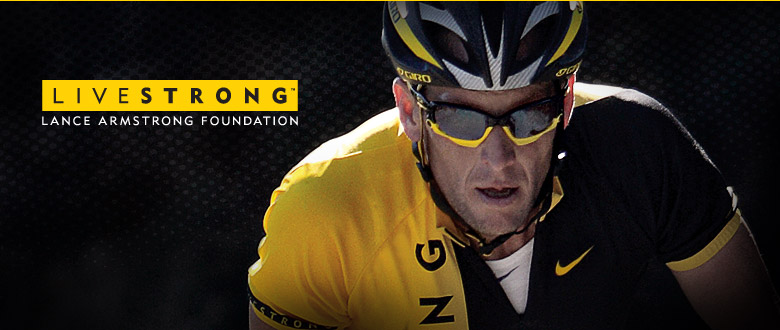
    Last week the U.S Anti-Doping Agency released a thousand page report on Lance Armstrong’s doping scandal.  The now retired cyclist hit headlines hard in late August when he was stripped of all seven of his Tour de France medals and was issued a lifetime ban from cycling. Since the story released, Armstrong’s four major lucrative sponsors have taken away their sponsorships one by one.

    Nike dropped Armstrong earlier this week due to his disgrace.  Nike released this statement “Due to the seemingly insurmountable evidence that Lance Armstrong participated in doping and misled Nike for more than a decade, it is with great sadness that we have terminated our contract with him.”

    Image

    The brewing company Anheuser-Busch also said it was ending its relationship with Armstrong when his contract expires at the end of this year.  Oakley Inc. and Radio Shack are waiting for the final decision from sport’s international authorities before conducting their final decision.  The other two sponsors that have immediately ended their relationships with Armstrong are Trek Bicycles and FRS, the energy drink maker.

    Lance Armstrong has stepped down as chairman of the Livestrong cancer support charity that he founded.  His foundation is widely known for the 70 million yellow wristbands that were distributed worldwide.  His charity raises money not for research but to help cancer survivors with employment, financial obligations, insurance problems, and access to care, especially in third world countries.

    Image

    So far, donations have increased despite the Armstrong’s scandal.  Lance Armstrong released a statement on Wednesday stating “To spare the foundation any negative effects as a result of controversy surrounding my cycling career, I will conclude my chairmanship.”

    The road for Armstrong seems far from over.  Currently, the Olympic Committee is considering taking away Armstrong’s 2000 Olympic bronze medal, which will surely endure more loss and humiliation for him.  Predictions say he will continue to lose more sponsorships and countless lawsuits will be released of breach of contract between the companies and Armstrong.

    Meaghan Beam, Jessie Butner, Zach Abramo, Jack Lane

  • To Sponsor or Not to Sponsor: That is the Question.

    Currently, one of the biggest trends in music is the presence of music festivals. These festivals host a number of bands from all different genres, pulling large audiences of varied consumers in to enjoy the shows. Festivals are generally a couple of days long and promote a laid-back lifestyle complete with camping tents and hammocks. We can thank Woodstock for this specified musical platform. However, is it also a platform for something else? In recent years, music festivals have also hosted a number of sponsors, who market their brands by simply surrounding festival goers with advertisements and products.

    But what is the benefit for companies that sponsor these events? Since companies spend time and money to become an integral part of the festival atmosphere there must be some sort of profitable gain. The major draw for companies is the audience. Generally speaking, attendees are in their late teens to late 20’s. This generational demographic, once targeted, are often very loyal consumers to their favorite brands. Companies hope to capitalize on this while festival-goers are having a good time, enjoying the music, and are open-minded. This audience is also very important because they have a larger disposable income than most. The ability to spend upwards of $400 for a two day music festival, says to companies that this demographic is, for the most part, either affluent or avid consumers.

    However, there is also a downside to being a sponsor at one of these events. Companies have to be very aware that if the audience does not perceive their product as one that coincides with the overall experience and atmosphere of the festival then they will either be completely ignored or considered an annoyance. For instance, a brewing company will do a lot better and be viewed much more positively than a law firm or insurance agency. In order to be successful as a sponsor you have to ensure that your product will enhance the mood, environment and fit the audience profile.

    One of the best examples of sponsorships working harmoniously with the specific nature of music festivals is Firefly, which was held for the first time this summer in Delaware.  Firefly made all of their vendors and sponsors local companies who brought a higher class of food and drink to the campsites. Instead of bombarding attendees with big named company sponsors Firefly chose to keep the music festival experience more authentic. Dogfish Head, their beer sponsor, even unveiled a new brew named the “Firefly Brew.” The event also had a TOMS Shoes tent, where you could purchase a pair of canvas slip-ons to be painted on-site by a local artist.

    Firefly was successful because they accompanied their musical line-ups with relevant sponsors, which in the end created a newer, more evolved and authentic version of a music festival experience.

    Lauren HabigHannah EureErin KiffmeyerAlly WaltonGene Lee