Category: Branding

  • Who is the Award Really Going To?


    This year millions of people have and will tune in to watch various awards shows that honor and celebrate some of the biggest celebrities in the world. But why? Awards shows are nothing but a bunch of rich people talking about a bunch of very rich people while wearing clothes that cost more than the average viewer’s annual income. The reason these events are so interesting, aside from placing the whose who of entertainment in the same building, is that it offers us a chance to see the face behind the brand. We get to “catch” the actor out of character and see what the musician is like away from the studio. It’s the only time a year that most people get to see Will Smith interact with his family or see Pink step away from her emotionally charged music and have a relaxing night with her peers.

    If we wanted to see Brad Pitt act, we could run to the local Redbox and rent MoneyBall and if we wanted to hear Katy Perry sing we could get online and download her latest album (legally of course) but these shows are about so much more than that, these shows are about taking those brands that entertain us throughout the year and recognizing the face behind that brand.

    There can be that personal connection behind those who have many different faces in different roles of television shows, movies and more.  Even though the winners stand up behind the microphone and deliver a pre-rehearsed speech about how it was not possible without certain people, we still see them in their own skin.  There are no accents or lines, just them.  It’s almost a purity in that we can have those actors and actresses take off their many masks and be themselves for an evening.  That’s what seems to drive the excitement aside from them winning awards in the respective categories.


    – Julius Roberts, Leanna Marshall, Bryce Koonts, Leslie Tyler
  • Year of Adele

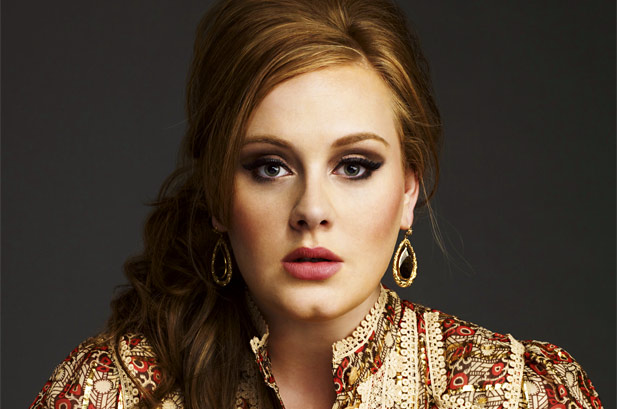
    The Annual Grammy Awards are one of the biggest nights in the music industry where artists are recognized for their exceptional achievements. Last week the Grammy awards ceremony celebrated its 54th anniversary at the Las Angeles Convention Center with host, LL Cool J. With live performances by Bruce Springsteen, Katy Perry, and Adele, America was eager for this year’s Grammy Awards. The 54th Grammys brought in 39.9 million viewers which was the second highest rating since the 1984 Grammys. America, along with the artists, held their breath with anticipation to hear the winners for the 78 awards.

    It’s hard to go even a day without hearing the name “Adele” in the music industry. She hit the music scene in 2006, but it wasn’t until 2010 that she seemed to gain fame overnight with her single “Rolling in the Deep.” The young British singer has encountered many obstacles in the past year, from canceling her tour to undergoing vocal surgery in late 2011.  “Adele underwent vocal cord microsurgery by Dr. Steven Zeitels to stop recurrent vocal cord hemorrhage (bleeding) from a benign polyp,” said a source at the hospital where her surgery took place.   She gave her first post-surgery performance at the 54th Annual Grammy Awards last week, and solidified that she’s still got it. Her worldwide fame reached new levels this year with an amazing 6 Grammy nominations; Record of the Year, Album of the Year, Best Pop Vocal Album, Song of the Year, Best Short Form Music Video, and Best Pop Solo Performance. She won every category in which she was nominated and left the awards ceremony with her arms full of Grammys.

    At 23, Adele has more confidence than most females her age. She focuses on her passion for music instead of trying to look like the “ideal” celebrity.  She is happy with how she looks and is not pressured to be skinny like her competitors.  Despite criticisms of her weight rolling in from the media, Adele prides herself with being a role model for the average woman. Her fame and success prove that talent can overcome looks in today’s society.  “I’ve never wanted to look like models on the cover of magazines. I represent the majority of women and I’m very proud of that.” –Adele


    -Kelsey Bendig, Andrea Blanton, Brian Burch, Brooke Keller

  • InstaBRAND

    As we all know, Facebook and Twitter have been a vital source to promoting brands around the world.  In our ever-growing technological society, consumers want more. They get bored with what has been around and search for new innovative ways to relate to the things or people they love.

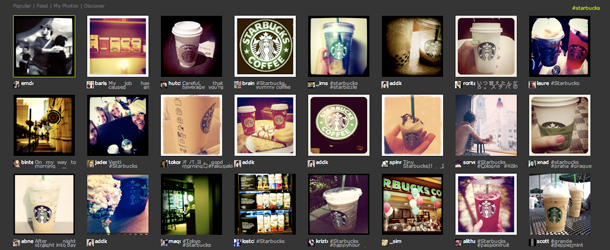
    Instagram is a growing social media site that is primarily accessed through a smart phone.  It is the same concept as Twitter, but your “Twitter feed” consists only of pictures to show what you are doing.  You can “like” and comment on the users you follow, edit your images and upload to both your Facebook and Twitter accounts.

    Brands like Michael Kors and Victoria’s Secret use Instagram to give their customers a visual of what they are doing behind the scenes at fashion shows or in the office.  It provides the consumers with a face behind the brand name and sense of feeling involved with what is being created throughout the company without the 140 character limit.  It allows brands and their consumers to have instant interaction through the commenting feature as well as posting pictures as responses.  Not only can consumers learn about their favorite brands, but they can learn about how their brands are being worn or used.

    Even though Instagram has not expanded to lengths of other social media sites, it is growing rapidly among consumers and will soon grab the attention of more businesses around the world.   Companies can now have their customers help in promoting new products to their followers.  Customers are endorsing their favorite brands which can be looked at as free advertising, for the people, by the people.  Consumers like to be able to identify with a brand through images as opposed to 140 characters.  As the saying goes, “Images speak louder than words.”

    – Julius Roberts, Leanna Marshall, Leslie Tyler and Bryce Koonts

  • Challenge: Build Your #brand In 140 Characters

    Social media is a growing evolutionary electronic forum around the world.  Some argue that Twitter and other social media sites are becoming the journalism of the 21st century. There are numerous social media outlets which allow their users to instantly connect with thousands of online communities and share a limitless amount of information.  From celebrity Tweets to Facebook events, wall posts to Pinterest pins, people are staying connected in a variety of forms on the Internet.  Twitter, founded in 2006, has become one of the leading social media outlets allowing users to stay up to date with current events. From international businesses to famous celebrities, Twitter allows its users to feel connected to whomever they choose to follow.  Celebrities like @Kim_Kardashian, @Heidi_Klum, @Ryan_Seacrest, and @Snooki all use Twitter to enhance their #brand and attract followers.

    The use of social media sites is becoming one of the most dependable and fastest ways to sell and promote products. In just a few clicks marketers can have access to any target audience they desire. Twitter is an efficient way to connect people to ideas and enhance their #brand awareness. It also allows marketers to engage their audience in a manner where the consumers actually want to receive information. Twitter can also be used as a research method to learn what their target audiences are tweeting about and incorporate those ideas into their marketing strategies. Twitter can be used to build and enhance a personal #brand by making connections with their target audience and answering their questions and comments directly.

    With each tweet, celebrities are promoting and advertising themselves in 140 characters or less. Some celebrities control their own accounts while others are maintained by their PR agent. Using Twitter for publicity increases their popularity while establishing their #brand.  It also allows celebrities to establish more of a personal connection to their fans. Sometimes celebrities will re-tweet and reply to comments, questions or concerns that their fans send.  This gives them an understanding of what their fans like and dislike about their #brand. Twitter provides these celebrities an opportunity to prove that they are just like everyone else.

    @Kelsey_Bendig, @Brian_Burch, @Andrea_Blanton, @Brooke_Keller

  • Foursquare U

    Back before texting and tweeting, students on college campuses relied on announcement boards and gossip floating in the student center to find the popular hang out spots or know about the latest buzz. Today, news about and around campus is instant. Most major universities have embraced social media over the past decade and are using it to reach college students in a unique way. But how can universities gain access to real-time social trends on campus? Welcome to the new and evolving world of geosocial networks.
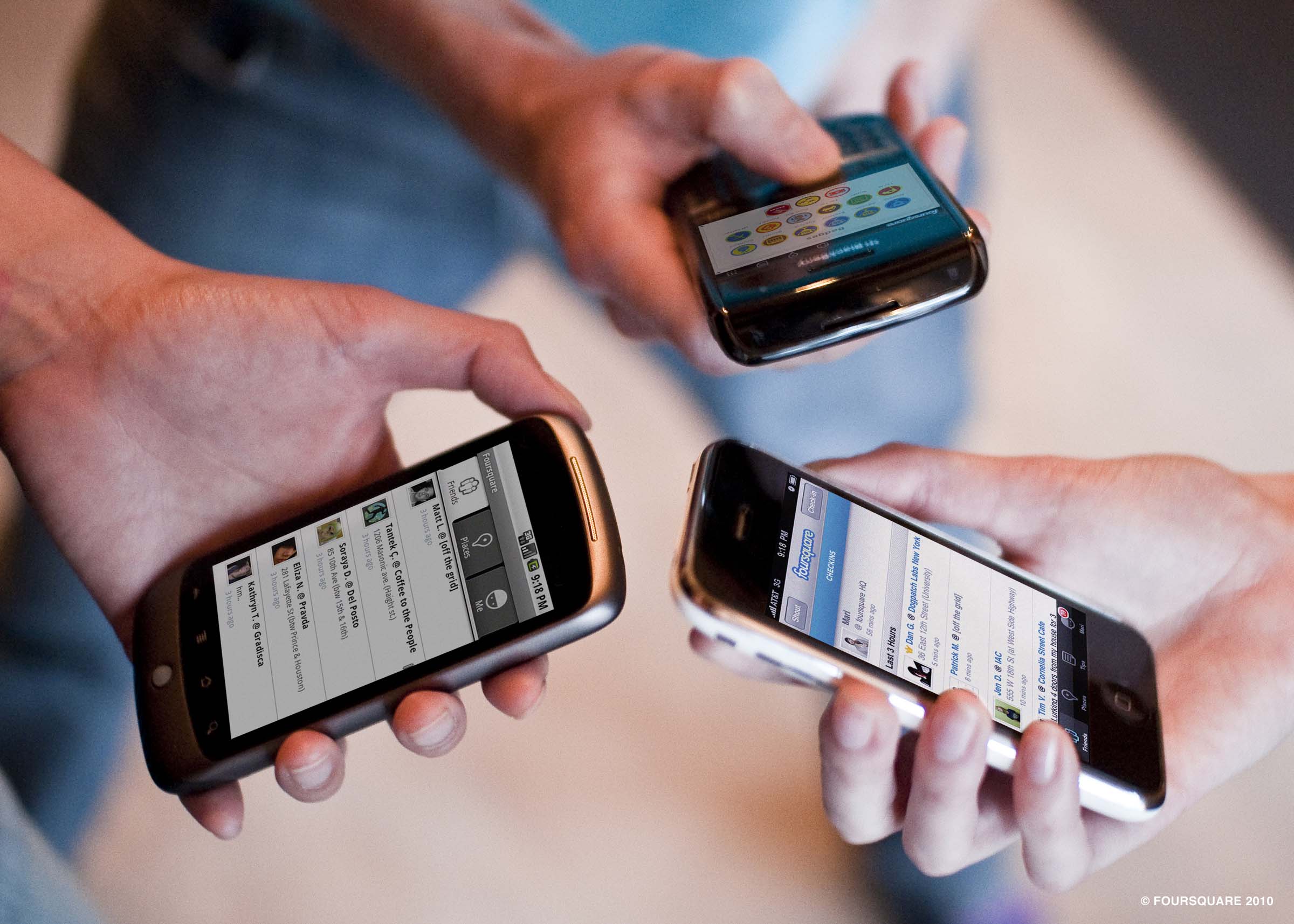
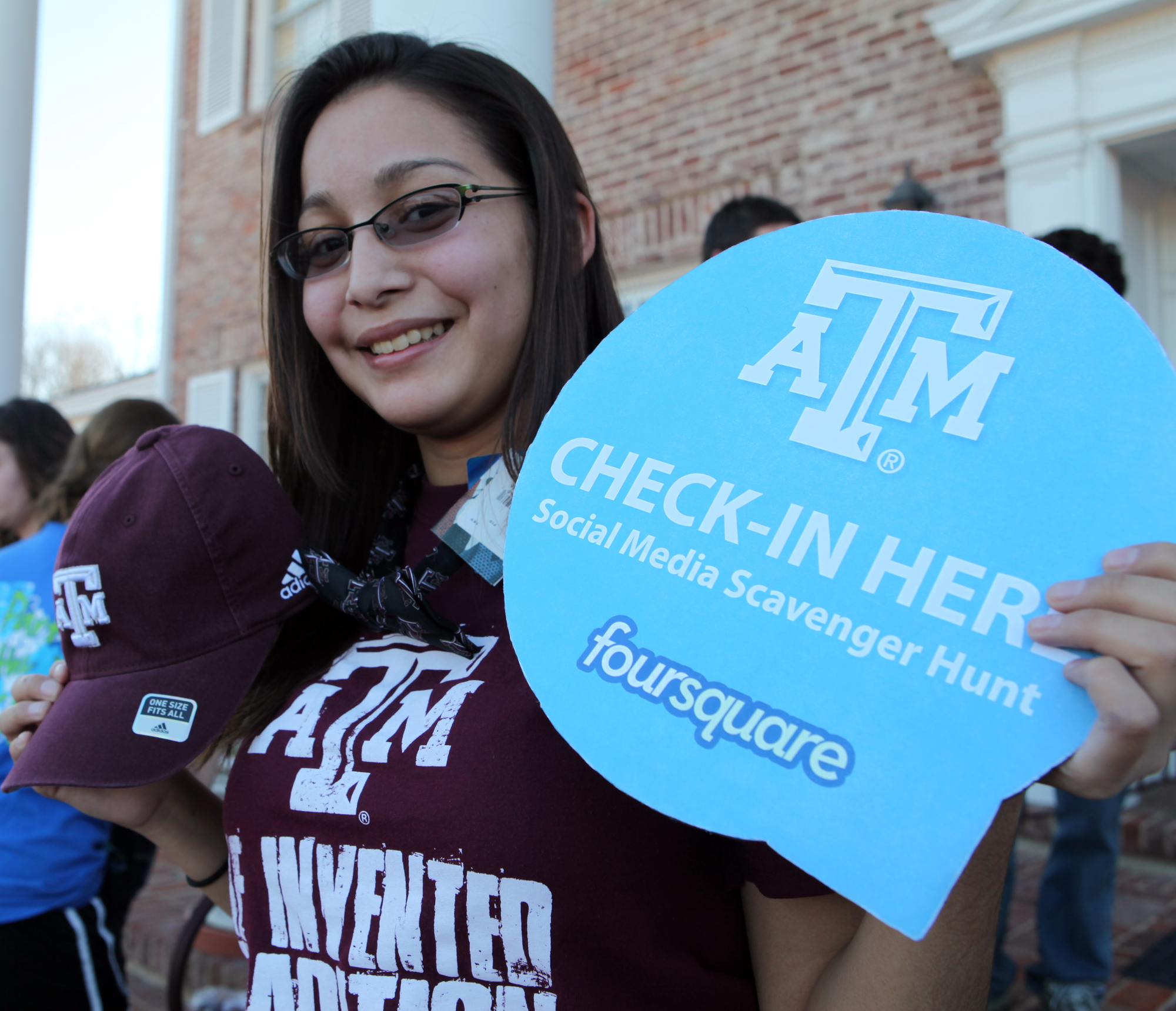
    Geosocial or “location-based” social networks are on the rise, with the forerunner being foursquare, a mobile app launched in 2009 that allows users to “check-in” to various locations and share where they are and what they are doing with their friends. Access to real-time location data from foursquare allows marketers and businesses to know what locations are “trending” as well as the demographics of users checking-in to their establishment. With the growing momentum of foursquare, universities are hopping onto the “check-in” train and recognizing foursquare on campus.
    Why should universities be interested in foursquare? For starters, foursquare currently has 15 million users and over 1.5 billion check-ins worldwide, with a growth rate of 3400% in 2010. Chances are that your business or venue is already on foursquare and users have probably checked in and maybe even left some tips. Information that users enter when creating a venue may be incorrect, but universities that claim their venues can add appropriate information to academic buildings to ensure the best overall experience for faculty, students, and guest.
    Universities are beginning to recognize the potential value of information gathered using geosocial networks. What does 4pm look like on campus? Is the library packed? Are students working out? Applications like foursquare can also attract visitors on campus by offering “check-in” deals (ex. 10% off a shirt when you check-in to the campus bookstore), creating a self guided mobile tour of academic venues, and leaving historic information or helpful tips for different locations.

    Most importantly, foursquare is free advertising (for now). Not only that, but it can be interactive and rewarding for users, perhaps by giving away free university gear for going to the library, attending a campus event, or staying healthy at the gym. The possibilities for university marketing are endless.

    By: Hunter Wilson, Josh Vester, Ashley Oliver, Molly Jacques

  • Social Media Backlash Against Komen

    Not only do companies have to worry about negative blogs and reviews to control during an organizational crisis, but now they have to be prepared to control all sorts of social media outlets as well. Susan G. Komen had trouble with just that as they released information to the public on January 31st saying they will no longer provide Planned Parenthood with funding for mammograms for low-income women for breast cancer screening. Immediately this became a very controversial topic on social media sites such as Twitter, Facebook, and Pinterest. Many believe that this decision was made because of political pressure from anti-choice groups. This is exactly what Komen is denying and released a statement after many Komen supporters were posting very negative comments. This statement said that the decision to cut funding to Planned Parenthood was not a political move; instead it was because they now have new funding criteria.

    Interestingly, Komen and Planned Parenthood had been in contact weeks before this came out to the public. So wouldn’t you think Komen had plenty of time to realize things could get touchy? To make matters worse, Komen started to delete the negative comments on their Facebook page. What Komen did not realize is the political power of social media and many need to learn from this. When the Associated Press reported the news that funding was going to be cut, Planned Parenthood blasted news releases on Twitter and Facebook. Once Komen realized they couldn’t change the public opinion around or even slow down the negativity on social media, they reversed their decision to cut funding.

    At a time of crisis in an organization, your message and speed of that message is very important to insure the least amount of damage. Komen was not ready for this backlash of so many people on their social media sites and once they actually responded, it was brief and too defensive. On the other hand, Planned Parenthood prepared for this for weeks before it went to the public and immediately posted to get fans and supporters involved. Some ways they got supporters involved is by asking for donations, sign an online petition, to Tweet or post about it on Facebook, and since then has added over 32,000 fans. Clearly, Komen should have taken a different approach in handling their social media sites and the communication with their avid supporters.

    By: Laura Simmons, Mollie Berthold, Christina Stevenson, Dorothy Conley

  • Valentine’s Day Technology

    Love. Flowers. Chocolate. Hearts.  All of these words are associated with Valentine’s Day.  However this has not always been the case.  How has the brand of “Valentine’s Day” evolved from simply spending a day with that special someone to a day filled with all-things chocolate, bouquets of flowers and days at the spa?  Well, obviously, with the advancement of technology things are becoming more digitized, but does it make the day any less sentimental?

    Valentine’s Day started as the celebrating of the life of St. Valentine.  In today’s society, February 14th is the second most gift giving day of the year.  We have lost sight of the meaning behind the date, much like the other holidays. Diamond and jewelry companies, restaurants and even phone carriers like AT&T, Verizon and T-Mobile are finding ways to boosts sales for the day of love.  Phone companies claim that women want new smart phones rather than candies or to spend the day with your special someone.  We can send eCards to loved ones, we have apps that can send messages and give gift cards to go to grocery stores.

    It’s time to face it.  Valentine’s Day has lost some of it meaning and big brand companies are saying that their products are what we want now.  No more chocolates, flowers, candies… They want cell phones and gift cards.  The times have changed and along with it, ways of expressing an affinity for each other, but has the passion behind the special day lost it’s charge?

    Want to find out more about the origin of Valentine’s Day?  Click here!