Chapter 8: Saddleback Church and The Montgomery Bus Boycott


Chapter 9: The Neurology of Free Will

-Mallory Brayman, Hannah Rodgers, and Patrick Wagner
Chapter 8: Saddleback Church and The Montgomery Bus Boycott
Chapter 9: The Neurology of Free Will
-Mallory Brayman, Hannah Rodgers, and Patrick Wagner
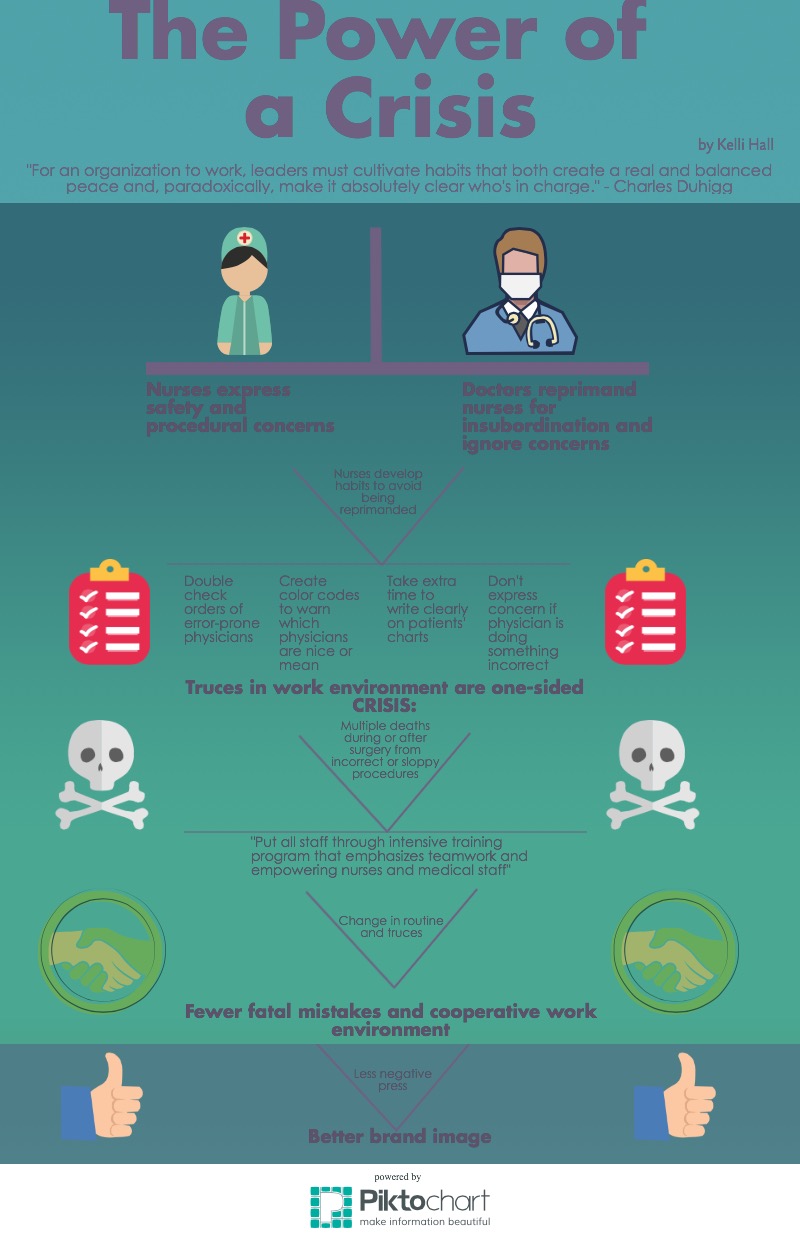
Chapter 6: The Power of a Crisis

Chapter 7: How Target Knows What You Want Before You Do


-Spencer Brenes, Kelli Hall, Jill Jardine, and Kaitlyn Russell
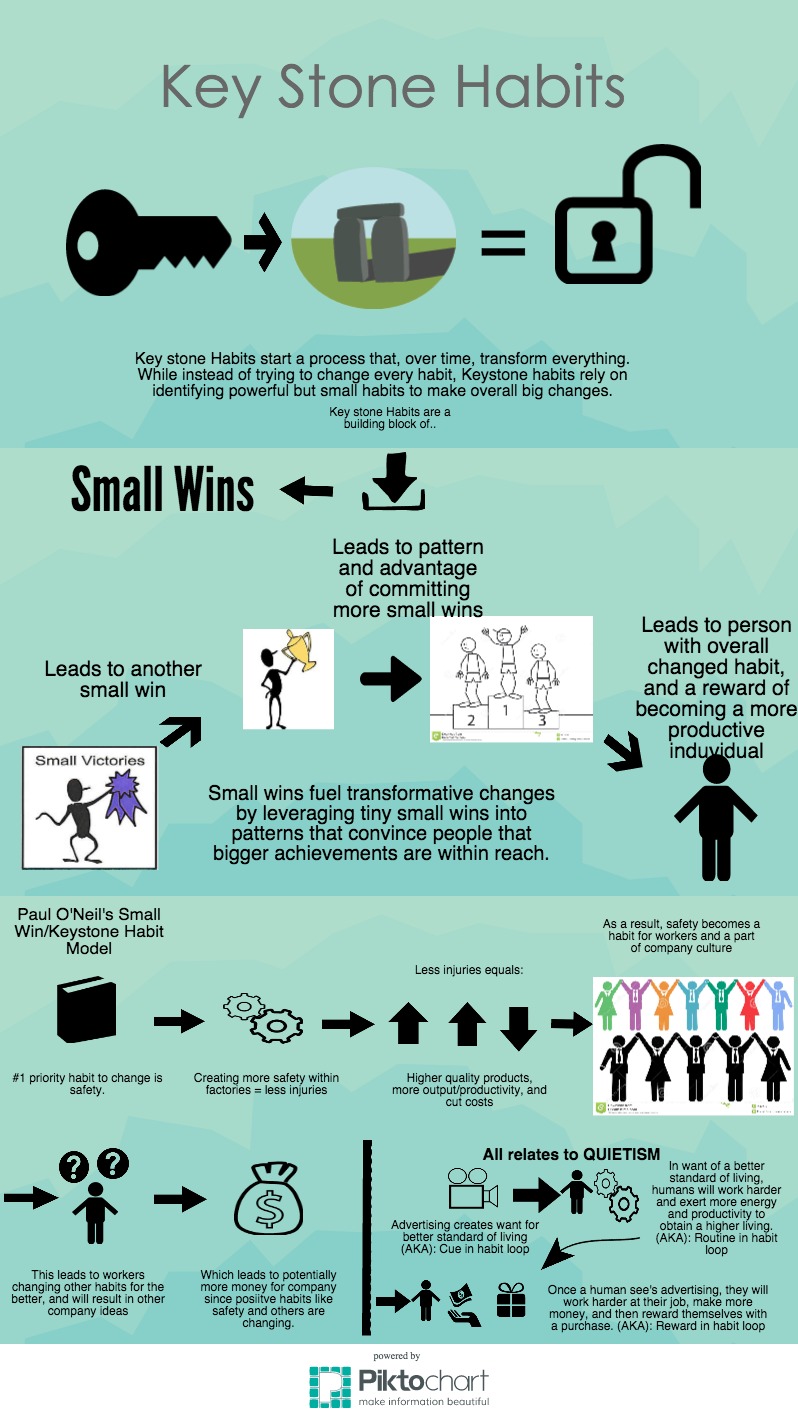
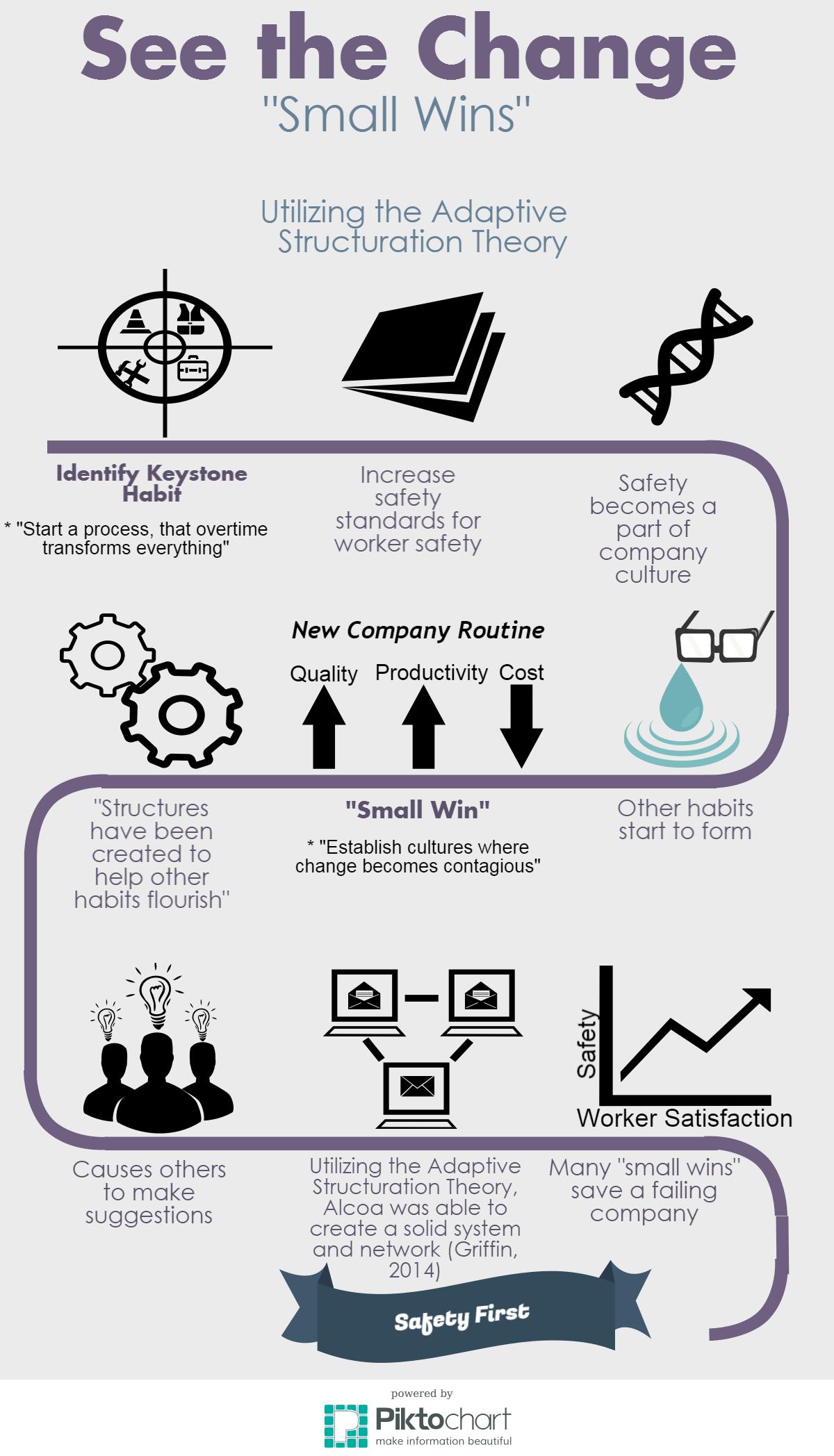
Chapter 4: Keystone Habits, Or The Ballad of Paul O’Neill
Chapter 5: Starbucks and The Habit of Success

– Connor Gold, Olivia Sadler, and Chase Seymour


-James Cronberger and Morgan McCleaf
Hey everybody! We hope you had a great Easter break!
This week will be displaying our poster designs from the book “The Power of Habit” by Charles Duhigg. This book explores how our brain forms habits and how they can be applied in advertising. Each day we will be posting different posters from each chapter so that you can get a visual understanding of what each chapter is about. Hope you enjoy learning this week about the power of habit!
Chapter 1: The Habit Loop
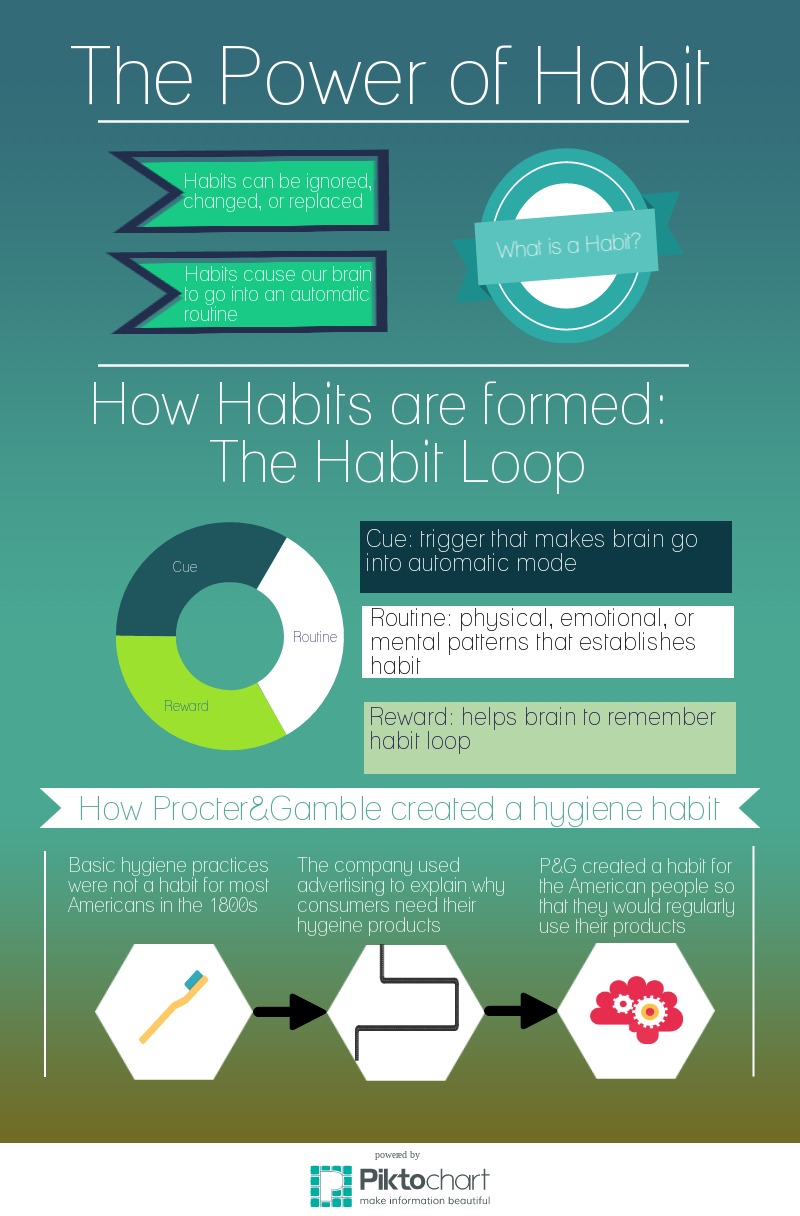
Chapter 2: The Craving Brain


Be on the look out the rest of the week for more chapters!
-Anna Joy Zima, Colby Cummings, Nick Bolick
Imagine you’re a 12-year-old girl. You are super excited about watching the new Zoella Youtube beauty tips video. When you click the video, an ad pops up for the new horror movie Unfriended. Instead of mascara and eye liner you are seeing horrific images. This is not what you thought you were getting into.


It’s becoming more and more common that YouTube advertisement are not correlating with the demographics of the videos that are being viewed. YouTube advertising is becoming a big business. To post an advertisement on YouTube, you have to upload your video through AdSense, a website that “targets adverts to the appropriate audience.”
However, this does not hold true for all YouTube videos. Parents are becoming angry with companies such as Coca-Cola, Haribo, and other sugary products as they are advertising to their young children. The target demographic for YouTubers that subscribe to Zoella and her boyfriend Alfie Deyes is “11 to 17-year-old girls.”
The companies that produce these sugary products aren’t being allowed to market on children’s channels due to Advertising Standards Authority rules and according to Professor Jason Halford “Advertising does affect children in terms of what they purchase and reinforcing the brand.”
YouTube is a social media platform full of niche communities with specific demographics. If advertisers can learn to take advantage of this and market to the right demographic, YouTube could become an even more influential advertising market in the future. However, if mistakes like a horror movie or sugary food ad appearing on a children’s video keep occurring, advertisers could face more backlash than the ads are worth.
Have you ever been victimized by an unwanted YouTube advertisement?
-Nick Bolick, Olivia Sadler, and Patrick Wagner
If you were listening to the Weight Watchers 2015 Super Bowl commercial without paying attention to the images on the screen you would think that stimulant drugs had been legalized and were being advertised on TV. Aaron Paul, the star of Breaking Bad, even narrates the advertisement. The commercial plays with words by asking the viewers questions like “Want to get baked?”, “How much do you want, an eighth?”, and then encouraging them to indulge with phrases commonly associated with peer pressure; such as, “treat yourself”, “it’s a special occasion”, or “no ones telling you what to do.”
Visually, the parallels between drug use and food is still apparent by including shots of lighting a stove, pouring sugar, dilating pupils, and lab work. These images out of context appear to be related to cocaine, heroin, and methamphetamine. With these images being intercut with food, the comparison to food being an addictive drug is strengthened.
Finally the commercial uses food that is commonly purchased at popular food suppliers without specifically naming them. You can see a donut similar to the ones sold at Dunkin’ Donuts, a meal similar to McDonald’s, and a food supply store similar to Costco. The advertisement takes it a step further by showing clips of advertisements similar to ones released by restaurants like Longhorn Steakhouse and Subway.
This advertisement sends the message that Weight Watchers believes that people can’t handle the responsibility of eating without their program. The comparison between American eating habits and drug use sends the message that Weight Watchers is similar to a drug rehabilitation center that focuses on ending an addiction. It is a bold move on their part. Can poor eating habits really be as extreme as stimulant drug use?
-Kelli Hall, Mallory Brayman, Morgan McCleaf
 IMC Hawks Blog