When you hear the name Tyler Oakley, what comes to mind? If it’s YouTube and over 7 million subscribers, then you’re on the right track! Tyler Oakley is a 26 year-old who became famous through YouTube. Oakley made his initial claim to fame in 2007 when he uploaded his first video as a freshman at Michigan State University. His videos have since gone viral. What is it that makes an ordinary Michigan State college student so popular? Could it be his open nature and willingness to speak about controversial issues? Is it due to others’ ability to relate to a normal college student? Although Tyler Oakley now receives money from sponsors as a result of his amount of subscribers, is he perceived as more authentic than other celebrities simply because he became famous through YouTube and is not actually a paid actor?
 In his first video, titled “Why Gay Marriage is WRONG,” Oakley takes a satirical approach and provides ten irrational reasons why gay marriage has to be wrong. Despite the title of his first video, Oakley identifies as gay and has obtained a large following from the LGBT community.

Members of the LGBT community, along with many others, now view Oakley as a role model. Whether or not this was Oakley’s intention, he is largely in the public eye and has now has a profound influence on his audience. In a recent interview with TIME magazine, Oakley indicated it does not matter whether or not he intends to be a role model for others. If people are looking up to him, he has the potential to influence their lives in a positive or negative way, which is where authenticity comes to play. When Oakley uploaded his first video in 2007, he was not following a script. No one was telling him what to say or how to say it. Instead, he was simply sharing his own views. At that time, it likely would have been difficult for Oakley to imagine he would one day have over 7 million subscribers. Now that Oakley receives sponsorship via YouTube, does this make the content he produces less authentic? Or has he stayed true to the values and beliefs expressed prior to receiving money from sponsors?
We live in a commodity culture, which means we define ourselves by the commodities we consume. Although Tyler Oakley’s YouTube videos are intangible, they can be viewed as commodities that help define his audience members. The messages Oakley conveys, whether intentional or unintentional, inevitably influence his viewers. Some may choose to watch Oakley’s videos because they identify with the LGBT community. Others may watch Oakley’s videos simply because they find him humorous or they enjoy his hipster image. Regardless of their reasoning, Oakley’s 7 million plus subscribers have found a way to connect with him and the brand narrative he has created for himself.
Why do you think Tyler Oakley has become so popular? Are viewers more likely to buy in to what YouTubers say as opposed to paid actors? Are Oakley’s videos worthy of over 7 million subscribers? Do you agree that simply watching videos on YouTube help can define you as a person? If so, how? Please share your thoughts in the comment section below!




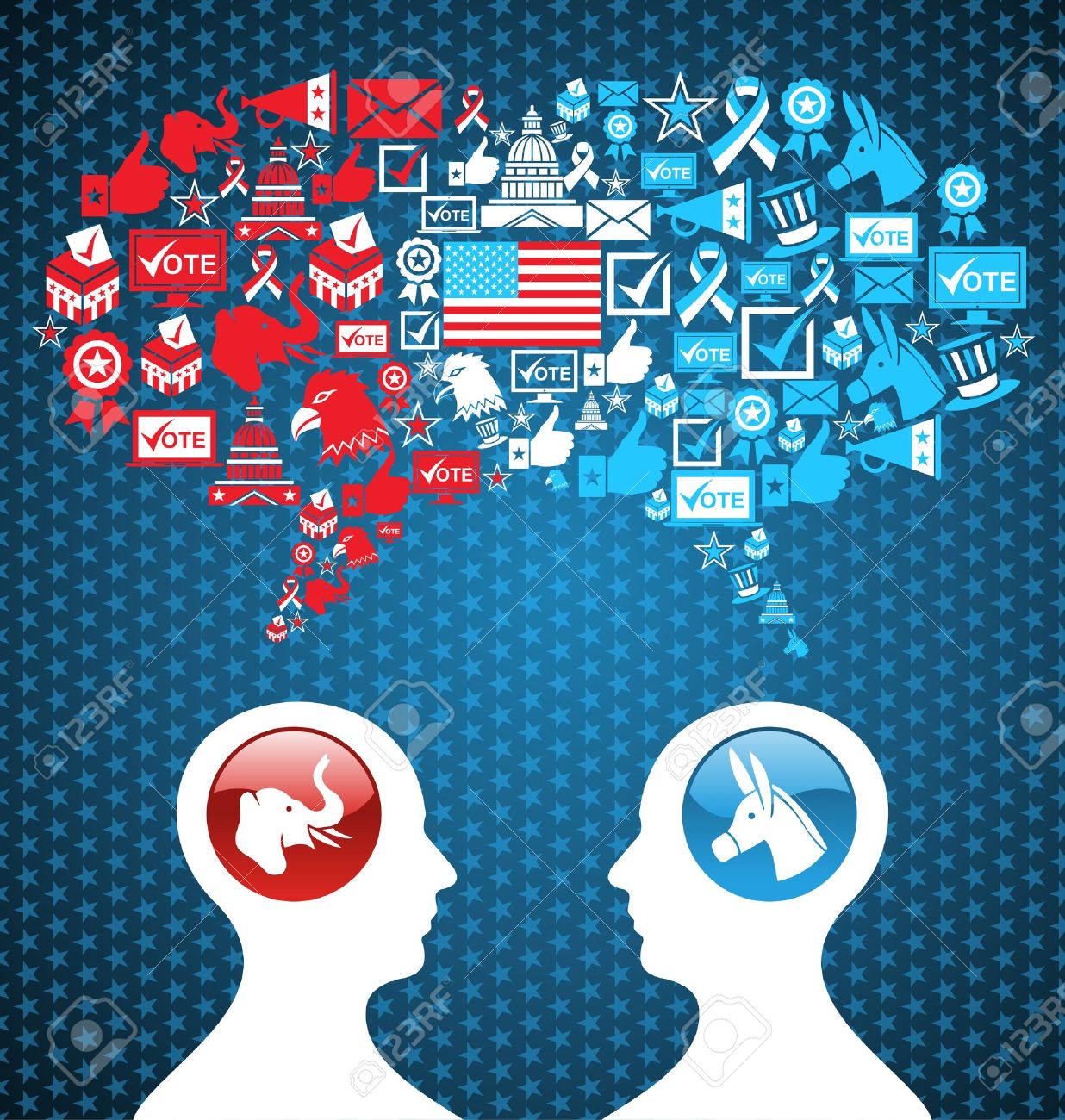


 Politicians’ advertisements can be somewhat skewed to adhere to our wants and needs. We watch the political debates to see which candidate will resonate with our personal values, but all that is discussed are issues not solutions. The message the media projects about politics focuses on the conflict at hand. Is conflict ever resolved or is it just discussed? Politicians have the chance to engage with a wide audience, the debates streaming on TV and throughout social media. The engagement perspective of IMC says a message is intended to get a response from the audience. Will the audience reject or accept it? Will it change their behaviors once the message is received? The political debates allow candidates to persuade their audiences to think differently.



 IMC Hawks Blog