Blog

  • The Wide World of Brackets

    The Wide World of Brackets

    It’s the most wonderful time of the year for many college basketball fans, as March Madness approaches. In the next few days or weeks, you might see a something called a bracket printed out or being posted on social media. Over 60 million Americans fill out a bracket each year in hopes of predicting all 63 games and receiving $1 million every year for life.

    So, what’s the big deal with these brackets, anyways? Let’s take a look at how they started and eventually became a phenomenon.

    The very first bracket in a sports tournament came in 1851, at a chess tournament in London. London was hosting the Great Exhibition for British technology, and English chess master Howard Staunton set out to organize the world’s first international chess tournament. There was a field of 16 players, and Staunton needed to narrow the field down to one winner. So, he decided to make eight pairs, with the losers of each being eliminated from contention. Instead of seeding players to decide pairings (like the modern NCAA tournament), Staunton had each draw a random lot. Pictured below is what Staunton’s bracket looked like.

    bracket

    Source: NCAA.com

    On the other hand, the first official NCAA bracket pool is thought to have started in a Staten Island bar. 88 people filled out brackets in the pool and paid $10 in a winner-take-all format. In 2006, in the same bar, 150,000 entered, and prize money went beyond $1.5 million. However, 1985 was the year that brackets really took off. The NCAA tournament suddenly expanded to 64 teams, the highest it had ever been. This gave underdog teams more of an opportunity, creating lots of excitement, upsets, and ultimately fueling the popularity of the brackets.

    In the past 20 years, the NCAA has created an entire industry, from analysis websites to online courses designed to help people fill out the perfect bracket. Brackets have especially helped with marketing March Madness, and the term ‘bracket’ is basically synonymous with March Madness. Social media is filled with pictures of completed brackets, and dozens of commercials and ads are made reminding us to fill them out. Even Disney fans have put their own spin on them (pictured below.)

    disneybracket

    Source: Insider

    For as long as I can remember, I have completed a bracket. Growing up as a huge sports fan, even if I didn’t know each team competing in the tournament, it was fun to see how many games I could predict correctly. It also made me pay attention to the tournament more than usual if my favorite team wasn’t competing. Since the NCAA tournament first started, there has not been one person who has guessed each game correctly. Maybe that will change in the future, but for now, if you plan on filling out a bracket for March Madness this year, happy bracket-ing!

    -Hannah Lewis

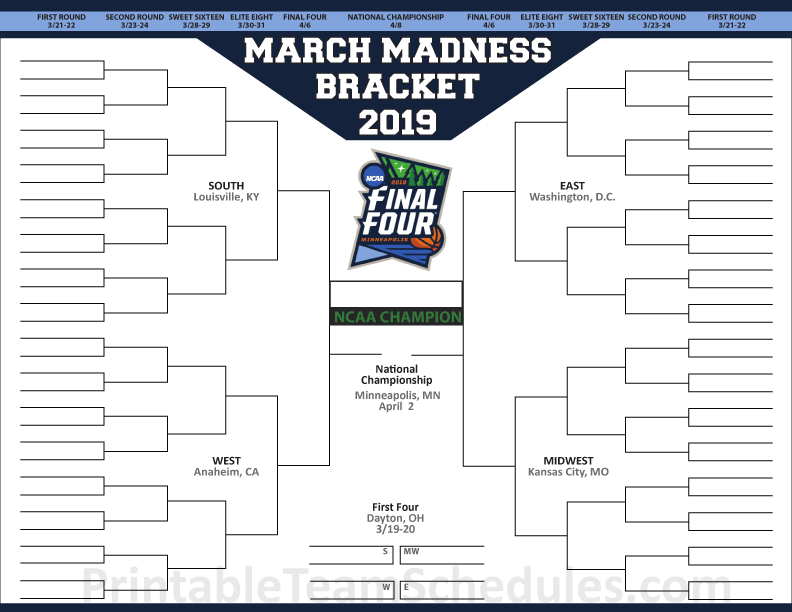
    Click here for a printable PDF of the 2019 March Madness bracket
     

  • As Seen On TV: Prominently Placed Products

    As Seen On TV: Prominently Placed Products

    Spring break is right around the corner which means a week with no classes and an ample amount of free time.  Per usual, this semester has been busy for many students and several have fallen behind on a very important thing: television shows.  Many television shows are returning from their mid-season winter break and will start this month.  You might be wondering, “how does television relate to IMC?”  There are a variety of different ways, but the one that I will discuss today is product placement.  According to dictionary.com, “product placement is defined as a practice in which manufacturers of goods or providers of a service gain exposure for their products by paying for them to be featured in movies and television programs.”  Have you ever wondered why your favorite actors drink their Diet Coke with the label facing the camera every time?  Well, there is a method to this madness.  Brands and companies often pay to be subtly placed into shows or movies to reach their desired target audience based off the demographics of the television show.

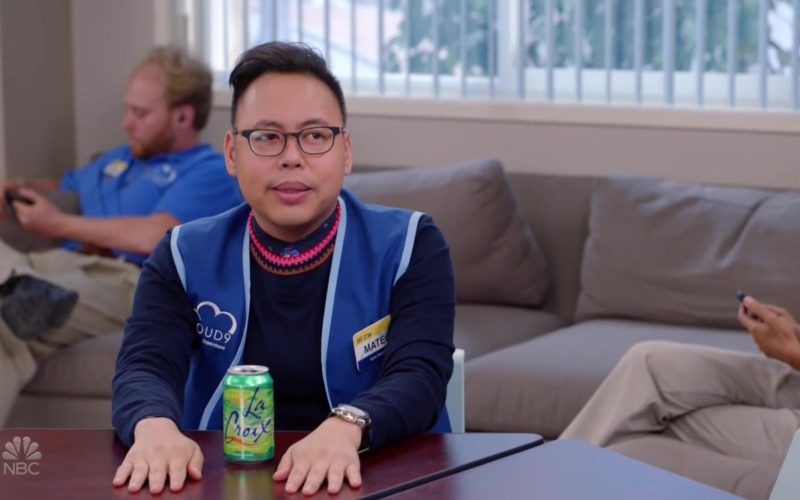
    LaCroix-Sparkling-Water-in-Superstore-Season-4-Episode-7-1-800x500

    Source: NBC

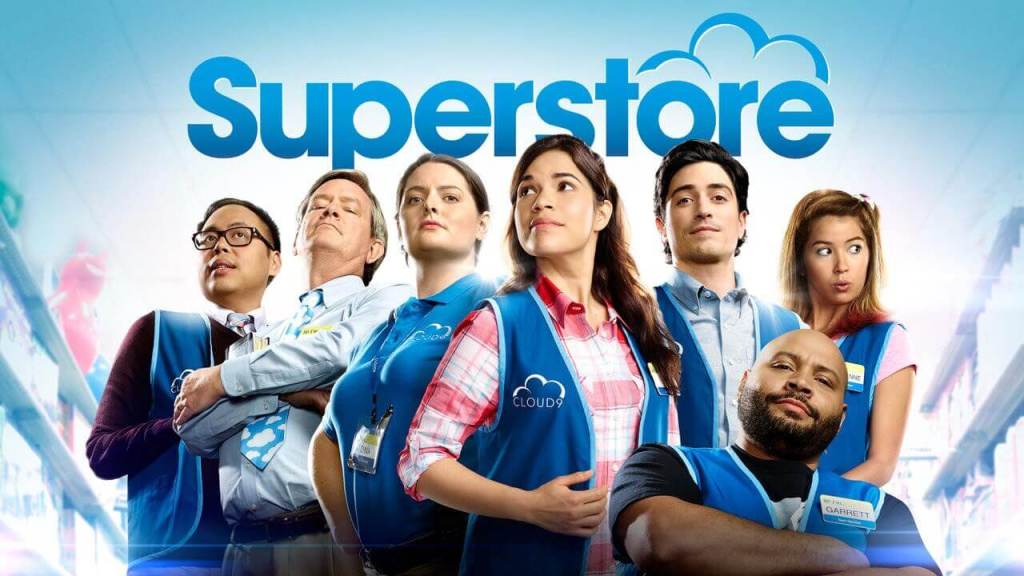
    NBC’s popular show Superstore returned last night and is full of “random” product placement.  Superstore, a comedy that is similar to The Office, is set in “Cloud 9” (analogous to a Walmart). Season one featured random products around the store that were fictional brands.  However, as the show increased in popularity, real/ big-name brands started to pay for product placement.  Brands today want to be represented in a positive way, and one possible reason as to why there was little to no product placement in the earlier seasons is because the show did not have much credibility.  Big companies do not want to advertise their products on a show that has little potential or will likely get cancelled, which is why it took time for reputable products to appear.  Today, you can see products like La Croix and Roku featured (not so) subtly on the show.

    +Roku+-+Superstore+-+DogAdoptionDay205-10161
    Source: NBC

    However, due to the emergence of streaming services such as Netflix and Amazon Prime, the current trend of waiting out to see how a show preforms the initial seasons is becoming increasingly difficult.  For example, in the Netflix original hit series, 13 Reasons Why, Beats headphones took a bit of a risk.  Beats most likely took elements such as analyzing the actors potential popularity, producer reputation, and overall storyline into consideration, however investing in product placement without seeing any ratings was undoubtedly a bold move.

    153990-1532592109.jpg

    Source: Netflix

    At times, product placement can feel very forced if noticed, but as IMC students, it is important to recognize.  Analyzing 13 Reasons Why is interesting because the entire show has a relatively dark tone, yet even in the most serious moments, the bright red Beats logo is prominently centered.

    Even though product placement may seem overdone at times, it is undoubtedly an effective way to advertise and a huge amount of money is invested in its practices.


    -Alex Patton

  • Sneaky Little Sponsored Posts

    Sneaky Little Sponsored Posts

    Product placement is nothing new, in fact, it’s a tale as old as time. Whether it be Wilson the volleyball or the countless music video stars and their Beats, we are bombarded with these gentle (or not so gentle) reminders that celebrities are just like us. Here are the products they use, and you should use them too.

    It’s pretty easy to spot overt product placement, but what happens when you’re scrolling your Instagram a feed and come across your favorite Bachelor contestant showing off a new pair of “sunnies” or your fitspo follow sharing her favorite smoothie recipe that includes a specific brand of protein powder. In recent years, it has become harder to spot when products are being intentionally marketed towards us. Even with the addition of the trusty sponsored post, there is something about Instagram ads that seems a little sneakier than good old-fashioned product placement.

    When a brand pays to be referenced in a film or TV show there is a level of responsibility the platform has to ensure the brand is trustworthy. If a film comes out supporting a faulty product the whole movie is tainted. Yet, when an influencer creates a post supporting a weight loss tea that is said to have very negative side effects, no one bats an eye. Sure, they might get called out here or there but for the most part, they get off scot-free and continue to post disingenuous ads.

    Speaking of Scott, celebrity influencer and member of the Kardashian empire Scott Disick, was the first person to (inadvertently) unveil the insincerity of these sponsored posts. In an ad for Bootea, he appeared to have accidentally copy and pasted the intended caption along with the instructions for posting. The caption read “Here you go, at 4pm est, write below. Caption: Keeping up with the summer workout routine with my morning @booteauk protein shake!” That’s a pretty big mistake to make. Of course, we would have known it was a sponsored post regardless of the blunder, however, there is something so underhanded about knowing brands are telling people what and when to post on their personal accounts.

    (Read the full article here)

    As someone studying IMC, this sort of marketing behavior really becomes a Sophie’s choice. There is no denying the power Instagram ads have in terms of creating brand awareness. We follow people on Instagram because we want to see their lives, the products they’re using, and in turn what products we should be using. But how do we make the informed choice when we don’t truly know it is a product they actually use or just a payout. When Serena Williams signs a contract with Nike we know that without a doubt she will be playing in Nike equipment, there is a level of accountability there. But when Scott Disick posts about protein powder we have no idea if that product ever even got opened.

    There isn’t really a clear fix to ensure that brands and influencers are held accountable for the content they post and promote but, as IMC students I urge to be diligent and aware of those sneaky little sponsored posts and as IMC practitioners I urge you to learn from Scott’s mistake.

    -Tori Lyman


  • Targeting Spring Break

    Spring break signifies the most existing time for college students, traveling to a different location losing all inhibitions with their closet friends. There is a long list of extravagant destinations that interest spring breakers, including Las Vegas, Miami, Jamaica, Daytona Beach, and Lake Havasu. Before you decided where you wanted to go and who you wanted to be around there was an additional presence already established, advertisers. Advertising to students on spring break used to be a simple process, in which a company would set up a booth, pass out product samples and t-shirts. But now converting to a stage for increasingly expensive and advanced advertising campaigns. So what all do the big name companies like Coca-Cola, Axe, Gillette, and Malibu have to do with spring break?

    Marketers who establish authority in spring break areas hope to reach 18- to 24-year-olds, who are resistant to traditional advertising and associate their brands with positive memories during the vacations. There are many approaches that companies take to advertise and market their products or services for spring break. During the month of March, these big-time companies spend over $75 million alone to market to college students during the break. I want to share with you a few of these tactics’ companies utilize.

    Social Media:

    Social media is always a solid foundation to approach for a marketing plan. Snapchat being the most utilized amongst college students, 77% to be exact, companies want to emphasize their use of it. Snapchat helps the companies by sending out mass media messaging that reaches thousands at a time, geofilters. Geofilters can market promotions, contents, distribution locations, and trendy sights that are popular in the area.

    Sponsor Events:

    It is understood that college students leave for spring break with the intention to have fun and celebrate a week off from college responsibilities. Many of the companies will sponsor celebrity events. From these events, the companies are able to gain traction with their target audience because their brand will give insight that the celebrities support and trust their product or service.

    Promotions/Giveaways:

    Free stuff is a definite way to leave a positive impression on thousands of spring breakers. Hats, frisbees, koozies, t-shirts, bags, and sunglasses, is just a few of the many giveaways these companies will put their logo on and give to students. This may seem to be an outdated tactic but sometimes sticking to their root’s method works. The students think they are getting free stuff; however, this is the case, but these companies see it as them slowly being able to create brand recognition and trust.

    Now that I have explained to you the tactics companies use to market during spring break, do you have a favorite in which you have noticed works best?

    Spring Break sign

    -Ashley Sinclair

  • You Can Do It, Seahawks! Spring Break is Almost Here

    You Can Do It, Seahawks! Spring Break is Almost Here

    You can do it, Seahawks! Spring break is so close and the only thing between you and your relaxing week off of school is pushing through the craziness of the rest of this week. Spring break is a time to sit back and relax, travel and be a tourist. But if you are like me you may be staying in Wilmington to spend your relaxing week off. There are plenty of fun attractions for you to explore in Wilmington, NC.

    Wrightsville Beach

    Image result for wrightsville beach nc

    What is better than a day out on the beach? If you are in town and the weather is nice, take advantage of where you live and take a trip down to the beach and put your toes in the warm sand. Wrightsville beach is great for the beach, its food at the local restaurants and a simple walk around the loop. Just remember starting on March 1, 2019, parking is enforced seven days a week from 9:00 a.m. to 7:00 p.m., which is $17 a day or $3 an hour.

    Historic District in Downtown Wilmington 

    Image result for downtown wilmington

    Downtown Wilmington is full of attractions and historical landmarks. Whether you go on a tour of the area, go shopping at the many boutiques, or walk on the Riverwalk there are so many things to do. If you have not gotten a group of friends together to ride the trolley pub I would highly recommend it. It is a great way to tour downtown while having a blast with friends.

    Airlie Gardens 

    Image result for airlie gardens

    Airlie Gardens, also known as the gardens by the sea, features 67 acres of walking paths, formal gardens, seasonal blooms, mighty live oaks, historic structures, and contemporary sculpture. If you have not visited the garden at least once while being in Wilmington, you definitely should. Whether you go and take a tour or have a picnic, its beauty is immeasurable.

    Fort Fisher Aquarium 

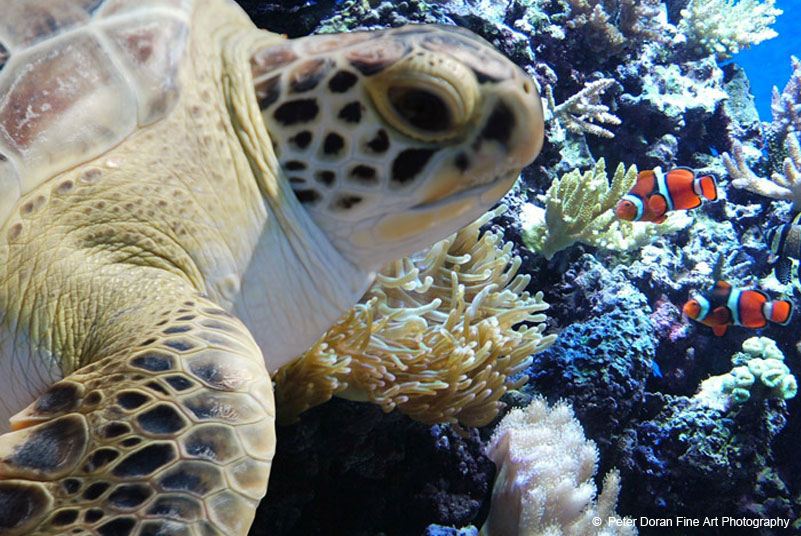
    Image result for fort fisher aquarium

    The North Carolina Aquarium at Fort Fisher has been voted a top regional and national attraction each year. Located at Fort Fisher in Kure Beach, the aquarium is a wonderful place to explore, discover and enjoy. Discover all of the fascinating aquatic wildlife open daily from 9:00 a.m. to 5 p.m. at a fee of $12.95 for adults.

    Jungle Rapids

    Image result for jungle rapids

    If you are a kid at heart like I am there is nothing better than an arcade that has mini golf, laser tag and go-carts. Jungle Rapids offers many fun activities for you and your friends to enjoy. The arcade features many fun games where you can earn to tickets to turn in for prizes at the end.

    I hope everyone has a great and safe spring break next week!

    –Amber Murdaugh

  • Influencers Catching FYRE

    If you have been Netflix of Hulu lately you have probably seen the promotion of the recent FYRE documentaries. These documentaries highlight the marketing scheme that was a “luxury music festival” located in the Bahamas created by Billy McFarland CEO of Fyre Media Inc. and rapper Ja Rule. The festival was supposed to be held in Exuma Bahamas in April of 2017, but the organizers are now being accused of defrauding ticket buyers, and now face eight lawsuits. Billy faces six years in prison and was asked to forfeit $26 million dollars. Attendees expected a five-star festival experience because they were paying up to $100,00 for tickets. They received FEMA tents, soggy beds, and cheese sandwiches according to Michelle Braggs from News Beat.

    170428-zimmerman-frye-tease_mvkpij
    Fyre Festival

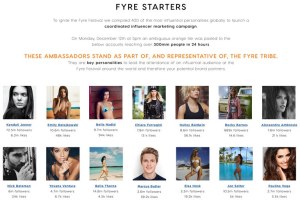
    A huge reason the festival became so popular was because of the influencers that participated in the promotion of Fyre. Models like Kendall Jenner, Bella Hadid, and Hailey Baldwin were a part of the promotion of the festival. Court Records show that influencers and performers were paid $5.3 million in advance. In January, Bella, Kendall, and others were said to be facing subpoenas for involvement and payment from Fyre Media Inc. This according to ABC News (2019).

    FYRE  fyre-festival-pitch-deck-21

    Kendall Jenner                                                                                                               Fyre Starters 

    Many people are bashing these influencers, saying that they didn’t do their research and that people were “lured by the modern sirens of Instagram,  hundreds of festival-goers were horrified to find squalor instead of the luxury they were promised.” (Duran).

    This makes me wonder about the pull of Influencers in social media today. According to the Hulu documentary “Fyre Fraud” if people who were purchasing tickets to the festival would have looked into the festival at all it would have been easy to discover that there was no way that the Fyre would be able to become a reality. Our trust in influencers has become so tightly knit in our everyday lives that cases like this are becoming more and more common.

    Let me know what you think!

    Do Influencers need to take more responsibility for their negligence in research on Fyre?

    What are other cases where you’ve seen a deep trust in influencers suggestions and opinions?

    migos.png

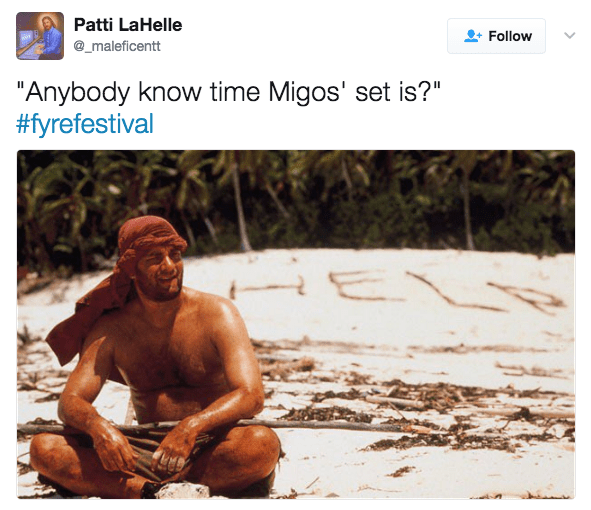
    Fyre MEME
  • And the Oscar Goes To…Advertising!

    And the Oscar Goes To…Advertising!

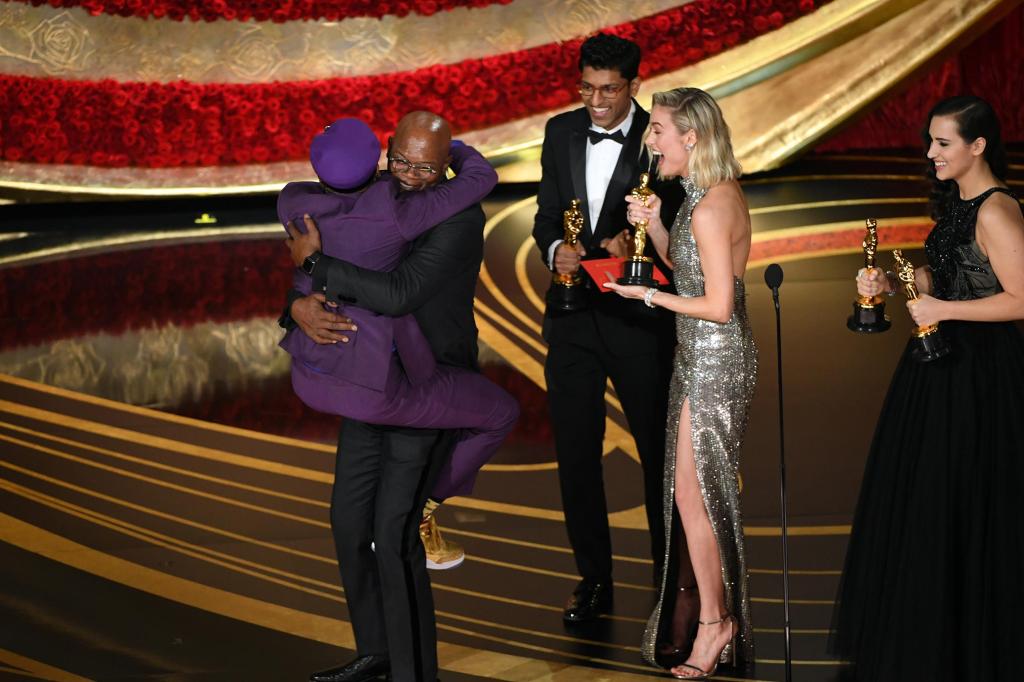
    The Academy Awards were last Sunday, and I think it’s safe to say there were plenty of surprises throughout the night. From the program having no host, to Green Book unexpectedly winning Best Picture, there was plenty to talk over the course of the next few days. Although director Spike Lee supposedly storming out after the Best Picture reveal, and Lady Gaga and Bradley Cooper’s steamy duet made headlines, things that didn’t get as much recognition were the various advertisement campaigns geared specifically towards the Academy Awards audience.

    It’s no secret that we are living in an age of recorded television and streaming services, and people have become impatient in general when it comes to sitting through commercials. Much like the Super Bowl, an awards show such as the Oscars are another example of a live televised event people tune in to in real time, and thus present the perfect opportunity to capitalize on viewers’ attention. While the adverts for the program didn’t cost nearly as much as those for the Super Bowl (according to Variety, 30 second advertisement spots for the Oscars cost between $2-3 million), it was very clear through the commercials’ content that they were advertising directly to the Academy Award audience, especially females.

    One example of this was with Walmart’s ad campaign. It’s known that fashion and style contribute to some of the Oscar’s biggest moments—both on the red carpet and in the award categories. Walmart, one of the night’s sponsors, seized this night of culture and fashion as an opportunity to advertise their clothing lines, while simultaneously highlighting film crew members and stylists who work endlessly behind the camera to make “movie magic” happen. The various commercials reinforced the idea that if ordinary people such as Julia Roberts’, Rami Malek’s, and Chadwick Boseman’s stylists can be glamorous and creative while wearing Walmart, then you can too!

    Another advertisement specifically aimed at women between the awards was a Budweiser commercial featuring Charlize Theron. In the commercial, Theron challenges female stereotypes while drinking her beer in a bar by challenging men to various games (billiards, darts, arm wrestling, etc.). An A-List celebrity, and a beautiful woman at that, was sure to capture and keep the attention of a time-shift-conditioned audience.

    Another Academy-specific ad campaign came from Google. The company utilized clips from various iconic movies, such as 2001: A Space Odyssey, Lady Bird, The Hangover Scream, Jerry Maguire, Deadpool etc., and depicted how the scenarios could have played out differently had Google been present in each scene. The commercials assume that viewers of the Oscars are movie buffs, and know enough about the films to understand the references within the commercials.


    What do you think? Do you believe the advertising efforts between the awards successfully kept audiences engaged? Did celebrities or those closely associated with celebrities influence your opinion about a product or brand featured? Comment below with your thoughts!

    -Audra Bullard