Tag: Marketing

  • The Race to be First

    Reporting any new information to the public can be risky, especially when it is a headlining topic.  As any social media expert, one should always make sure that the information they are providing the public is 100% accurate.  Any false information can put you and your company’s reputation at risk.

    With overwhelming attention surrounding the football program at Penn State, every tweet, wall post and blog comment brings more and more Internet traffic to the school and community.  In a society that completely thrives and relies on Internet access, acquiring information has never been easier or faster.  Along with the ability to supply millions with information via Twitter, Facebook or other social media sites, comes the responsibility to maintain an ethical mindset when sharing information.

    Joe Paterno, the recently released Penn State head football coach who served for 42 years, passed away at 9:25 am this past Sunday. On Saturday night, several hours before Paterno’s death, Onward State, a student-run news organization, reported through a tweet that the community icon had passed. The Onward State managing editor, Devon Edwards claims the tweet was based on an email hoax and has since resigned.

    It is shocking that a student organization (which presumably is more focused than professional organizations on performing tasks “by the book”) that is tied to an institution which has been so heavily shrouded in controversy recently, would fail to perform such a basic and necessary task as confirming information, especially when dealing with such an emotionally charged topic as the passing of Joe Paterno. Unfortunately, this is just the latest occurrence in what seems to be an ongoing problem with many forms of media.

    Managing Editor of Onward State’s Apology

  • Will JoePa Rest In Peace?

    Anyone who has been tuned into ESPN recently knows that Joe Paterno, “JoePa”, was the football coach at Penn State for 42 years, starting in 1966.  In the wake of a child abuse scandal centered around Jerry Sandusky, Penn State’s former assistant coach, Paterno was fired this past November. He was the face of Penn State and his brand was ultimately tarnished due to the scandal. Some are concerned that his tainted brand will overshadow his lifelong legacy. Sadly, Joe Paterno passed away on January 22nd due to his battle with lung cancer making it impossible to mend his stained brand.

    The media has been criticized for how they handled the situation regarding Joe Paterno; some even question if the media’s involvement aided in tarnishing his brand. The question is not whether the media has a legal right to report whatever they find newsworthy because the First Amendment guarantees that they do. The issue is how media managers should employ that freedom in their own decisions about what is ethical and professionally responsible. Some may view that the media took their interrogations too far by harassing Paterno at his home and accusing him of allegations before they even knew the whole story.

    “The media jumped to the conclusion that Paterno was trying to cover up the scandal when it broke out.  Because his name is so iconic, linking his name to the scandal would attract more viewers on their websites as opposed to Sandusky… more has been written about Joe Paterno’s involvement than Sandusky in the media.” – Chris Moore, Penn State University Senior  

    Is it ethical for the media to do whatever it takes to get the story out first even if it damages a man’s reputation beyond repair? On another note, people have a right to know what is going on in today’s world, so is doing whatever it takes to get the news as bad as it seems? Some argue that the media is just doing their job and presenting breaking news to the public. It was already too late for his reputation when the news came out that Paterno had told superiors about the issue in 2002. According to the Penn State Board of Trustees, their reasoning for terminating Paterno was partially based on his failing to uphold a moral responsibility to report allegations made in 2002 against Sandusky to authorities outside the university.

    There is no question that Paterno let the victims, their families, and the university down by not pressing the issue with the police after he approached his superiors. In our opinion, Joe Paterno deserves to be remembered for who he was as a coach and as an individual; not as a man who was in over his head dealing with the worst scandal in his university’s history.

    Kelsey Bendig, Brian Burch, Brooke Keller, Andrea Blanton

  • SOPA/PIPA : The end of blogs

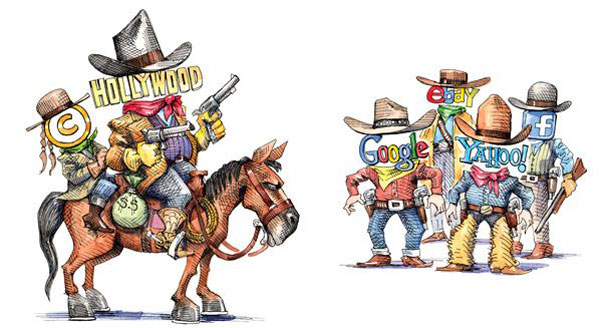
    The Internet as we know it today is vast and full of amazing features that allow us to communicate in ways that its original inventors would have never dreamed of.  What began as a way for the US government and military to communicate with each other has turned into a platform in which millions of Americans recently protested against the ominous SOPA and PIPA bills.  Today’s generation of young people have finally spoken up and we’ve seen small but significant changes as a result of our awe-inspiring protests.  Since SOPA and PIPA were shelved after an overwhelming opposition from the public we’ve lost sites that were the largest culprits of Internet piracy, such as Megaupload. This is only the beginning of what will likely be a long fight for ethical Internet laws that stop piracy and abuse without censoring creativity.

    The truth is, this blog and the billions of other blogs and content on the Internet would not exist with these bills in place.  Musicians, artists, designers, and various creative types rely on blogs to showcase their content to people they could never reach before.

    Simply featuring a product in a blog post can bring loads of traffic to brand’s site, for free! Getting featured on a popular blog is great for small businesses with tiny advertising budgets.  In fact, numerous bloggers get paid to feature and review products.  Blogs have turned in to a great source for marketing and advertising.  If a blogger whose opinions you respect recommends a product, you are more likely to believe her than the advertisement to the left of the page. Blogs are not new, but the concept of using blogs to bring brand awareness and reach new customers is new to Integrated Marketing Communication, as is the practice of IMC itself.

    Lets hope we find an ethical solution that will keep blogs, social media, and the creative exchange of ideas still alive.

    -Molly Jacques

  • VitaminWater: Ethically Healthy?

    When asking people about their New Year’s resolutions, you are likely to hear about their well-intentioned dietary goals. Our culture today is fanatical when it comes to weight loss and getting healthy. There are numerous hit TV shows such as “Biggest Loser,” “Celebrity Fit Club,” and “I Used to be Fat” plus piles of trendy diet books littering a great deal of homes across America that all attest to this craze. With people’s insatiable appetite for slimming down quick, it is no wonder that the big players of the industry are trying to cash in, even if it means being dishonest. So where do we cross the line? Isn’t it unethical when companies are turning out products that claim to be good for you but in truth are the opposite?

    By branding and promoting products as healthy, companies are capitalizing on the fact that people will buy almost anything they think will make them healthier, lose weight, or feel better. Some companies have gone to extreme lengths to ensure “healthiness” and “good for you” are  intertwined in their brand message but some go too far. It’s simply unethical for marketers to make a product seem healthy just to soothe our guilty conscience and sell their product. While striving to reach your health goals this year, keep the following misleading speed bumps in mind on your road to getting skinny and staying healthy.

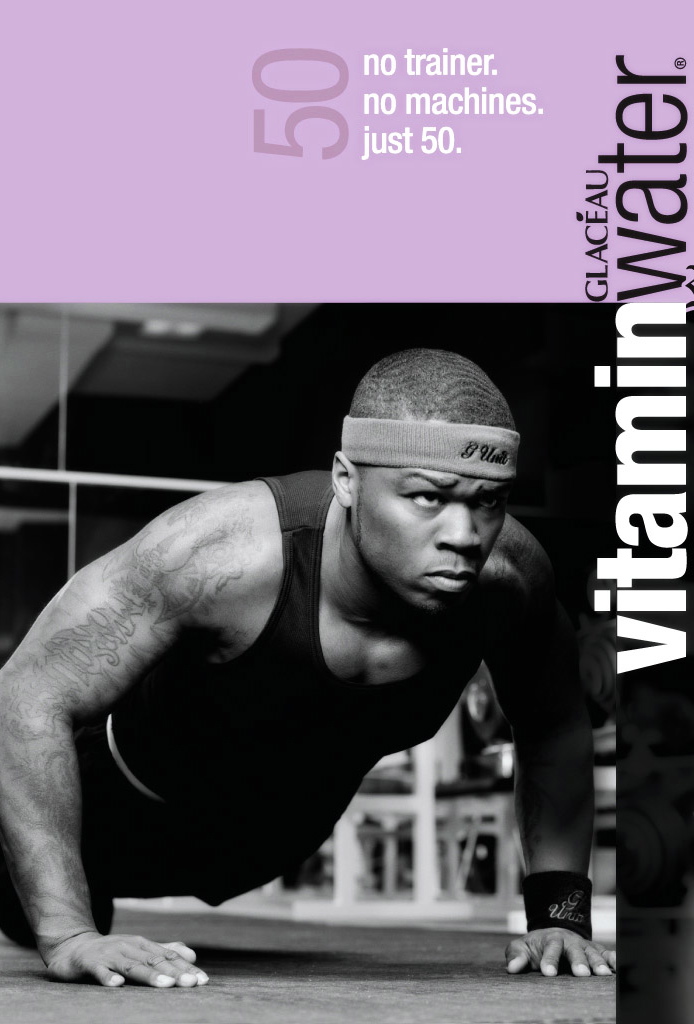
    For example,Vitamin Water has healthy buzz terms in its title yet when you take a closer look at the nutrition label, its marketing campaign is contradicting the actual product. The brand of choice endorsed by our favorite two-coin rapper actually has about 32.5 grams of sugar per bottle. “Vitamin” and “Water” carry healthy connotations in their misleading titles and have relied on clever campaigns that play directly at our desire to be healthy. However, these products don’t in fact deliver on their promise. These little morsels of advertising non-truths can soon turn into a fat lie.
    -By: Alexis Kapczynski, Kacy Cox, Sara Kaloudis and Josh Bowman.
  • “The Most Interesting Blog In The World”

    One organization that does an exceptional job building their brand and message through effective corporate communication is DOS EQUIS. Dos Equis has been brewed since 1900 and was developed by master brewer Wilhelm Haase who emigrated from his native, Germany, to Mexico and fused brewing traditions from both places to make a unique, blended beer. This brand has grown in popularity ever since, but has recently skyrocketed thanks to some effective marketing and advertising ploys.  The “most interesting man in the world” campaign made its debut in 2006 and was designed by the marketing firm Euro RSCG for the Cuauhtémoc Moctezuma Brewery. The ads feature Jonathan Goldsmith as “the most interesting man” and are narrated by Frontlines Will Lyman.
    Rather than an embodiment of the brand, “The Most Interesting Man” is a voluntary brand spokesperson: he and Dos Equis share a point of view on life that it should be lived “interestingly”. According to the company, U.S. sales increased each year between 2006-2010 and tripled in Canada in 2008. Although exact figures were not provided, sales of Dos Equis have increased by 22% at a time when sale of other imported beer fell 4% in the U.S. This campaign changed their identity from a mere beer brewing company to a revolutionary product; thanks to the endorsement from one of the most accomplished men on the planet. Not only is the endorsement a golden ticket for the company, but their advertisements have also proven to be successful. The ads are surrounded with catchy quotes, including: “He is the life of parties he has never attended” and “Sharks Have a week dedicated to him” as ways to connect with common themes that the audience will recognize. Goldsmith recently said in an interview that he realized how successful the campaign had been when a man came up to him in a restaurant, telling him that he had asked his young son what he wanted to be when he grew up, and the boy replied, “I want to be The Most Interesting Man In The World”.
    “Stay thirsty my friends”.   – Jared Sales, Sally Shupe, Oliver Evans

    IMC's very own JARED SALES

  • Celebs of Hogwarts

    Harry Potter is a name that is known by people worldwide. Known both for the book series and the movies, this brand seems to be everywhere. Although plenty of merchandise sells because of its affiliation with the Harry Potter series, Harry Potter itself is much more than a brand. Harry Potter fans have read the books and seen the movies, and have developed a deep connection with the characters involved. There is an emotional attachment to this brand and therefore anything that sells with the picture or logo for Harry Potter means something more to them. But what seems to be the most representative visual for this brand? Not the creator, J.K. Rowling. This would be Daniel Radcliffe, Rubert Grint, and Emma Watson.


    Chances are, if you began watching the movies before you finish reading the books, you would start to imagine these actors in your head as Harry, Ron, and Hermione, instead of the people you imagined before these actors were selected to play the parts. To many Harry Potter fanatics, these people are not just your average celebrities- they are friends.  The actors no longer have any choice but to be marketers for the Harry Potter brand no matter what they are doing. If Daniel Radcliffe gets married, it almost seems as though Harry Potter is getting married. If Emma Watson wears a provocative outfit, it feels like Hermione is being scandalous. So is this type of celebrity life better or worse than those celebrities who are famous just for being themselves? I think it means that these actors have a lot more riding on them than it initially seems.

    -Claire Dillard, Liz LaPuasa


  • Justin Bieber wants YOU to adopt an animal.

    We all know that celebrities play a huge role in the commercial and marketing industry. We have all seen the Proactiv commercials featuring a long list of celebrities that struggle with acne or a commercial like the one featured in yesterday’s post with Pauly D. In fact, according to the International Journal of Advertising about 25% of all US advertisements use celebrity endorsements and whether we want to admit it or not (ahem…third person media effect), what celebrities do or buy does have an effect on us. But that doesn’t always have to be a bad thing. What about when a celeb uses their influence and power for the greater good? When they help draw attention to a social problem?

    Oprah Winfrey is probably one of the most famous philanthropic celebrities of our time. She has used her show to shed light on many social issues and world issues as well raise millions of dollars for charities across the globe. Her influence is so high that economists at the University of Maryland stated that when she publicly endorsed Obama in the 2008 election, she may have brought in up to one million votes with her. That’s a lot of power. Other celebrities have also started to take a public stance on social issues in order to gain public interest. Jennifer Aniston along with many  other celebrities do commercials for St. Jude’s or in support of animal adoption.  Or as seen in the picture, Justin Bieber has joined with PETA in an effort to get people to adopt animals from their local shelters. The list could go on and on.

    So there’s some food for thought. Although we usually discuss celebrity endorsements with an air of negativity, we should also look at how they help organizations and causes that we, as the general public, might not have noticed without them.

    -Alaethea Hensley, Jessica Kingman, & Lauren Phelps