Tag: Branding
-
VitaminWater: Ethically Healthy?
When asking people about their New Year’s resolutions, you are likely to hear about their well-intentioned dietary goals. Our culture today is fanatical when it comes to weight loss and getting healthy. There are numerous hit TV shows such as “Biggest Loser,” “Celebrity Fit Club,” and “I Used to be Fat” plus piles of trendy diet books littering a great deal of homes across America that all attest to this craze. With people’s insatiable appetite for slimming down quick, it is no wonder that the big players of the industry are trying to cash in, even if it means being dishonest. So where do we cross the line? Isn’t it unethical when companies are turning out products that claim to be good for you but in truth are the opposite?
By branding and promoting products as healthy, companies are capitalizing on the fact that people will buy almost anything they think will make them healthier, lose weight, or feel better. Some companies have gone to extreme lengths to ensure “healthiness” and “good for you” are intertwined in their brand message but some go too far. It’s simply unethical for marketers to make a product seem healthy just to soothe our guilty conscience and sell their product. While striving to reach your health goals this year, keep the following misleading speed bumps in mind on your road to getting skinny and staying healthy.
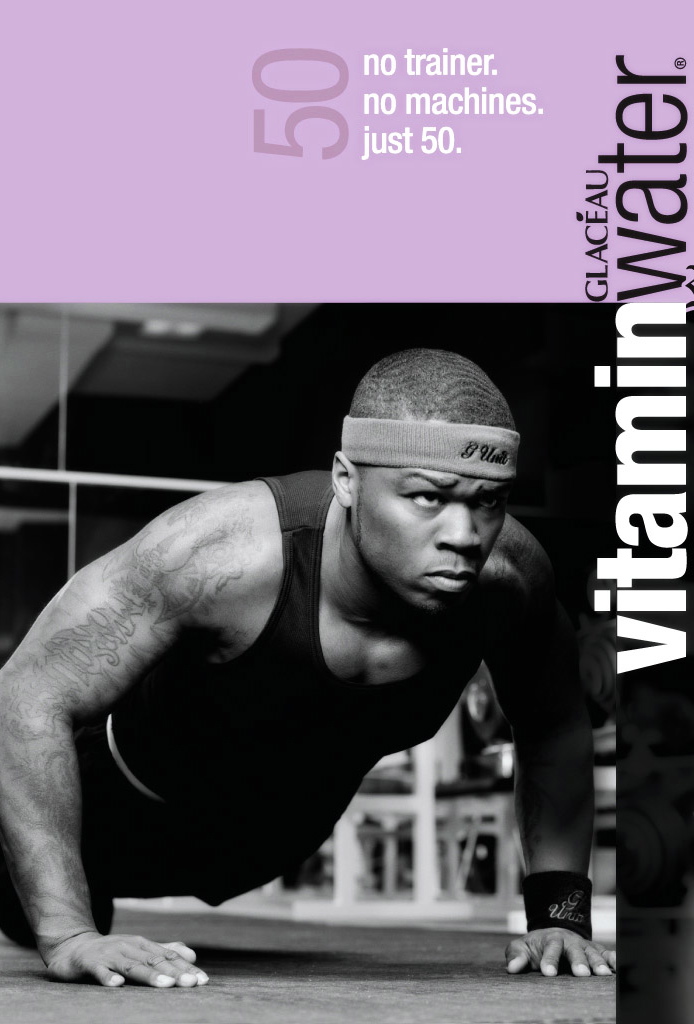
For example,Vitamin Water has healthy buzz terms in its title yet when you take a closer look at the nutrition label, its marketing campaign is contradicting the actual product. The brand of choice endorsed by our favorite two-coin rapper actually has about 32.5 grams of sugar per bottle. “Vitamin” and “Water” carry healthy connotations in their misleading titles and have relied on clever campaigns that play directly at our desire to be healthy. However, these products don’t in fact deliver on their promise. These little morsels of advertising non-truths can soon turn into a fat lie. -
Looking Forward
Going green. It seems to be at the top of every corporation’s priorities. In this day and age we have a better understanding for how unsustainable our daily lifestyles have been since the start of industrialism. In the past, building and developing areas was praise-worthy. Urbanization has supplied new jobs and opportunity for the ever-increasing population. It is only in last fifteen to twenty-five years that we have started to realize that depleting our natural resources and burning fossil fuels cannot persist at the rate at which they are.
Alternatives must be sought out.

Today, we can still live freely without compromise, however, the media has brought on an underlying pressure to conserve and to use less. People are speaking out about Global Warming’s effects and the public is listening. The message is now resonating that the way we do business personally and professionally needs to change. With a heightened awareness of going green amongst the general public, it has opened up a new avenue for companies to use in appealing to their target audience.
“Green this, organic that”… business motives have shifted and companies are doing whatever they can to show they are a green, sustainable business. Marketers have leaped into branding “green” through strategies and ideas that promote the better goodness of the environment. Besides a company’s involvement in becoming more sustainable, the main concern lies within the image they portray. Today, for the general public green equals good. In going with a “green” company, it allows people to grant themselves with a feeling that they are doing the right thing for themselves, their environment, and the future based on what the mass media has hyped about the environment. The color green symbolizes many positive aspects about a company’s values, making it crucial for any business to incorporate the theme into the design of their logo, website, advertisements etc. Having an overall look of being clean, simple, sustainable, organic or recyclable seems to be what’s driving some of the most successful companies around us today.
by: Oliver Evans, Sally Shupe, Jared Sales
-
Celebrate Thanksgiving (or any season) With Butterball!
In 1621, the Plymouth colonists and Wampanoag Indians shared an autumn harvest feast that is acknowledged today as one of the first Thanksgiving celebrations in the colonies. For more than two centuries, days of thanksgiving were celebrated by individual colonies and states.

It wasn’t until 1863, in the midst of the Civil War, that President Abraham Lincoln proclaimed a national Thanksgiving Day to be held each November. To this day, the centerpiece of Thanksgiving in the United States is a large meal, centered around a large roasted turkey. Thanksgiving dinner is not complete without the perfectly cooked turkey, but not all of us can be masters in the kitchen. What happens if you don’t know how to cook a turkey? Don’t sweat it! It’s not a problem because now there’s the infamous Butterball Turkey Talk-Line if you need cooking assistance.Butterball is a brand of turkey and other poultry products produced by Butterball LLC. The company manufactures food products worldwide and specializes in turkey, deli meats, raw roasts, and other specialty products, such as soups, salads, sandwiches and entrees. Butterball operates the world’s largest turkey-processing plant in Mount Olive, North Carolina and sells over one billion pounds of turkey a year. Butterball is so popular that one in every five turkeys sold in the United States comes from them. How did this Butterball craze start, though?
Butterball has been around since 1940, but it wasn’t until late 1981 when the company decided to start a toll-free telephone line called the Turkey Talk-Line, that it skyrocketed. The mission of creating the talk-line was to help customers with cooking and preparation questions during the Thanksgiving season. During the first year of the Turkey Talk-Line, 11,000 people called in. Because of the rising popularity of the Turkey Talk-Line and the huge interest in Butterball products, the company decided to expand its business.
Butterball has a talk-line open to the public on weekdays from 8am-8pm. But it now also has a website that offers consumers the opportunity to celebrate traditional holidays and everyday meal occasions with the Butterball branded line of products. Whether it’s the annual family get-together or just a day in the office or at school, people can celebrate with Butterball turkey. Butterball’s website provides a variety of recipes and ideas and also offers tips and how-to’s. If you are a new cook or are just interested in watching videos on how to choose, thaw, stuff, roast, and carve a turkey, you now do so with Butterball.
In recent years, Butterball has become even more recognizable. The Turkey Talk-Line number has grown to over 200,000 and it continues to increase with each holiday season. There are many brands that are associated with the holiday season; the next time you grocery shop for that Thanksgiving or Christmas dinner, Butterball won’t let you down. Happy holidays!
-Stephanie Bakolia, Claire Outlaw, David Glaubach -
A Good Slogan Can Go a Long Way
A key ingredient to any election is marketing and campaigning, and election campaigns are in a league of their own. From an IMC point of view, candidates are just another brand. The goal of the campaign is to inform and persuade voters to vote for them. And although there are many different marketing methods and tools that are used in a presidential campaign, there is one strategy that seems to never leave a voter’s mind: a slogan.

Slogans are created to summarize the candidate’s purpose and goals in a few words. Selecting the best campaign slogan is a pretty significant factor. This phenomenon does not only apply to political campaigns, but to any marketing campaign. Slogans should typically be short, effective, and to the point. If the slogan is effective, the public will be able to know what brand, or candidate, is associated with it.
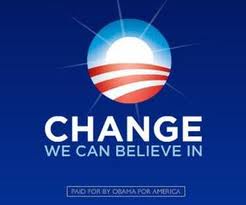
Examples of effective slogans include “Just Do It,” “Where’s the Beef?,” and “Got Milk?,” just to name a few, and of course there is our most recent example of Obama’s “Change” campaign.So what are some ground rules that one must consider before deciding on a slogan specifically for an election candidate? For one, it has to be relevant to what the candidate truly stands for. An example of this is the slogan for Mike Huckabee that states, “Faith. Family. Freedom.”What seems to be an equally important factor is to match the slogan with the current times. This means that the slogan should not just address what is important to you as a candidate, but what is important to the citizens at the time of the election. There seems to be no greater example of this than the slogan Ronald Reagan used in 1980 that read, “Let’s Make America Great Again.”
Slogans may be short, but they are powerful and meant to represent the brand and what it stands for. When considering everything that goes into preparing a political campaign, something as small as a slogan may not seem very important, but selecting the right one is just another way to take advantage of improving your brand awareness and recognition.
An Oldie But Goodie: Here’s one of our favorite examples of a slogan! It may seem silly, but you’ll probably find yourself humming the tune after you hear it. Would a song like this have swayed your decision in the election?
-Claire Dillard & Liz LaPuasa