Most Holidays in the U.S. revolve around consumption. Christmas decorations are out before Thanksgiving, Valentine’s Day candy is in stores before Christmas, and we seem to be developing more and more reasons to shop. For example, Martin Luther King, Jr. Day Sale, President’s Day Sale, New Year’s Day Sale, and of course Black Friday. Think about Halloween. What began as a day to celebrate the dead has now been commercialized as a day to dress up as a princess or a firefighter and get lots of candy.

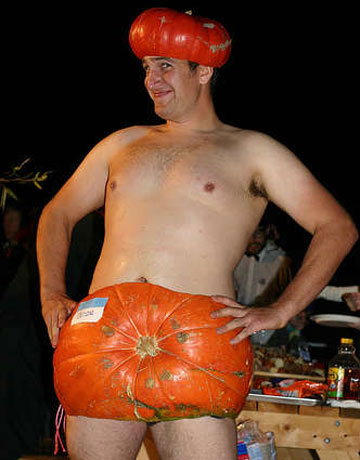
Halloween has become more than a children’s holiday in the U.S. It has become increasingly popular for teenagers and adults to dress up for costume parties as well as the occasional trick-or-treating adventure. Neighborhoods now encounter issues with, “How old is too old to trick-or-treat?” Shops and advertisements have created the idea that everyone can be something other than themselves for one day out of the year. On Halloween, we are allowed to be crazy, go outside our comfort zones, buy an outfit that we’ll never wear again and not feel bad about it. Although Halloween is an old holiday, it continues to evolve due to the branding and commercialism done by candy companies and costume retailers.
Branding is one of the most important aspects of a holiday. Since Halloween traditionally is not really seen as a national holiday and more recognized as an event, branding becomes that much more important. Halloween gives organizations the opportunity to build relationships with their customers and could even allow for new entry points.
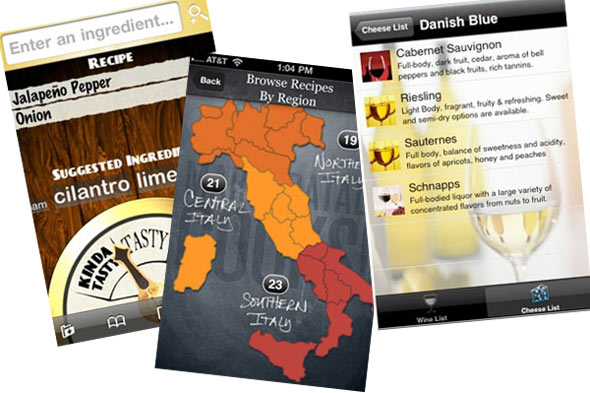
For example, Apple actually has an application that is known as the Halloween Costume Generator. This unique app gives the user over 200 costume ideas and asks a few simple questions to try and cater to their costume needs. Because of Halloween and Apple’s name, it may have attracted a slew of new customers based off of this app alone. It gives Apple the chance to take a tradition and looks to attract newer customers that are drawn to Halloween. Halloween could also act as bridging capital for companies as they look to connect with customers that typically don’t use apps or may not even own an iPhone or an iPad. By introducing a famous “holiday” into the fold, Apple now has potentially attracted a whole new customer base that is customarily dominated by adolescents, tweens, and teenagers.

It’s going to be interesting to see how companies respond to the many different holidays that are celebrated throughout the year as the times go by and the technology improves. Keep your eyes open, because you may never know what trend, organization, or seemingly distant customer community will attract you by partnering up with your favorite holiday.
-Tiffany Evans, Deji Adeleke, Anna Kate Babnik, Carissa Niederkorn, & Katie Eagle







 IMC Hawks Blog