Tag: Apple

  • Costumes, Candy, Consumption

    Most Holidays in the U.S. revolve around consumption.  Christmas decorations are out before Thanksgiving, Valentine’s Day candy is in stores before Christmas, and we seem to be developing more and more reasons to shop.  For example, Martin Luther King, Jr. Day Sale, President’s Day Sale, New Year’s Day Sale, and of course Black Friday.  Think about Halloween.  What began as a day to celebrate the dead has now been commercialized as a day to dress up as a princess or a firefighter and get lots of candy.
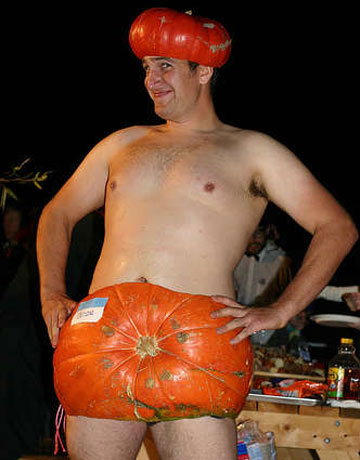
    Halloween has become more than a children’s holiday in the U.S.  It has become increasingly popular for teenagers and adults to dress up for costume parties as well as the occasional trick-or-treating adventure.  Neighborhoods now encounter issues with, “How old is too old to trick-or-treat?”  Shops and advertisements have created the idea that everyone can be something other than themselves for one day out of the year.  On Halloween, we are allowed to be crazy, go outside our comfort zones, buy an outfit that we’ll never wear again and not feel bad about it. Although Halloween is an old holiday, it continues to evolve due to the branding and commercialism done by candy companies and costume retailers.

    Branding is one of the most important aspects of a holiday. Since Halloween traditionally is not really seen as a national holiday and more recognized as an event, branding becomes that much more important. Halloween gives organizations the opportunity to build relationships with their customers and could even allow for new entry points.

    For example, Apple actually has an application that is known as the Halloween Costume Generator. This unique app gives the user over 200 costume ideas and asks a few simple questions to try and cater to their costume needs. Because of Halloween and Apple’s name, it may have attracted a slew of new customers based off of this app alone. It gives Apple the chance to take a tradition and looks to attract newer customers that are drawn to Halloween. Halloween could also act as bridging capital for companies as they look to connect with customers that typically don’t use apps or may not even own an iPhone or an iPad. By introducing a famous “holiday” into the fold, Apple now has potentially attracted a whole new customer base that is customarily dominated by adolescents, tweens, and teenagers.

    It’s going to be interesting to see how companies respond to the many different holidays that are celebrated throughout the year as the times go by and the technology improves. Keep your eyes open, because you may never know what trend, organization, or seemingly distant customer community will attract you by partnering up with your favorite holiday.

    -Tiffany Evans, Deji Adeleke, Anna Kate Babnik, Carissa Niederkorn, & Katie Eagle

  • Are Apps Changing the Way We Do Business?

    Technology giant Apple is once again in the news this week.  No, they haven’t come out with a new iPhone and the new generation of iPads are not yet available; the company has sold their 10 Billionth App.  Yes, you read that correctly BILLION!  On Saturday Gail Davis, of Orpington, Kent, UK, downloaded Paper Glider (a free App) making history for Apple and also making her the winner of a $10,000 iTunes gift Card.

    Apple’s Apps, short for applications, can be downloaded from the App Store on iTunes onto iPhones, iPads, the iPod touch, and now even your computer.  Ranging from free to $999.99, these popular downloads can help you with everything from finding a place to eat, translating words into another language, making dinner reservations, entertaining your child, studying for the California Bar exam (in case you were wondering what the most expensive App does) and anything else you can possibly imagine.

    The popularity of Apps has many retailers and other businesses taking notice and developing Apps of their own.  Apps have become yet another tool for them to reach target audiences and perhaps gain new ones.  Everybody from car insurance companies to retailers to airlines have developed Apps hoping to target new audiences and keeping the attention of existing customers. This trend has even spawned a new way of doing business, m-commerce.  Similar to e-commerce, or shopping online, m-commerce is shopping on your mobile device.

    This new form of business, ushered in by Apple’s introduction of the App, is changing the way companies market themselves.  In the age of Apple’s i-products, the standard practices of print and media ads aren’t going to cut it.  Companies must adapt and incorporate practices such developing Apps if they want to continue to remain relevant and build their customer bases.

    -Eliza Wadson

  • Is Apple taking over the world?

    As you might have read over the past few weeks, there has been a media frenzy regarding Verizon Wireless receiving the iPhone 4. This has further added fuel to the cutthroat marketing campaigns of both AT&T and Verizon. With this in mind, the real question is how this will affect the marketing and brand image of the iPhone.

    By utilizing two wireless networks, the constant battle for customers by Verizon and AT&T may actually have a negative image on the Apple brand.  Apple, known for its superior technologies, has an overall positive brand image.  With both companies airing commercials attacking one another, how can Apple maintain their image? This is the most controversial issue that Apple has had to take on to date.

    Below is the most recent commercial for the iPhone 4 released by Apple.

    In the commercial, Apple is remaining neutral with AT&T and Verizon. This is keeping both companies on an even playing field, while not portraying one as better than the other.  This may change once Verizon’s iPhone is released in stores and a new slew of Verizon and AT&T ads hit the airways.  Will Apple continue to remain neutral or eventually choose a side? The future is uncertain, but on January 19,, 2011, Apple became the largest mobile phone vendor in the world by revenue. If this upward trend continues, they will continue to dominate the market share, regardless of which company carries the iPhone.

    -Allison Day, Jessica Berinson, Megan Canny, Melissa Gagliardi, Scott Burgess