Blog

  • The Busiest Traveling Season Is Upon Us!

    Halloween is officially over and the Christmas songs are finally acceptable to listen to.

    That’s right, it is now officially holiday season!

    tumblr_mwhj2ej3FJ1s00ot7o1_500

    As we begin to make our travel plans, it’s important to remember what a busy time of year this is and remember the people behind all of this travel!

    According to the United States Bureau of Transportation, the number of long distance trips traveled by Americans around Thanksgiving increases by 54% during Thanksgiving and 23% during Christmas/New Years.

    As most of us already know, traveling during this time of year is anything but relaxing or easy. Particularly when it comes to traveling via airplane.

    Here’s what some airline companies are doing to stand out among the rest during their busiest season of the year:

    In order to push sales and get people to buy tickets earlier, companies like Southwest Airlines are offering special offers on flights if you purchase your tickets before the first week of November. In addition to this awesome deal, Southwest decided to throw into an extra checked bag for free, claiming that by purchasing tickets early customers are allotted an extra bag so that there’s “plenty of room for presents”. It pays to book early!

    As we know when it comes to marketing, proximity is one of the most important tools a company can use to capture an audience’s attention. WestJet airlines has been the one to beat when it comes to advertising during the holiday season. Last December, WestJet came out with a video advertising a “Snowflake Soiree” (as shown below) that they held in Fort McMurray after sever wildfires had just about burned everything to the ground. This event raised money for the town and gave out presents during Christmas time. What better way to get people to book with you than to emanate the spirit of giving during the holiday season? Props to you WestJet!

    WestJet_WestJet_launches_2016_Christmas_video

    So this holiday season, be proactive and book early! And don’t forget to keep an eye out for which companies truly care about getting your business and attention!

    -Katie Kromer

  • Pumpkin Capitalism

    The consumer market has fallen into that awkward mid-point between fall and winter, and shoppers are being put through a storm of holiday-themed marketing strategies. From local grocery store Thanksgiving ads to Christmas themed Target commercials, there’s no doubt that the holidays are here.

    While every year brings us new and exciting holiday campaigns, there is one marketing strategy that we as consumers know is unavoidable: Pumpkins. We see pumpkin flavored coffee, cookies, muffins, et cetera. Recently, what began as a pumpkin spiced latte has urged several companies to push the pumpkin flavor onto products that we wouldn’t necessarily want to be pumpkin flavored.

    Here’s a list of some of this season’s bizarre pumpkin products:

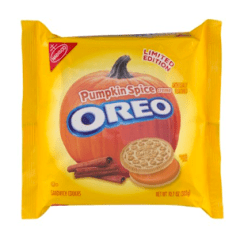
    Pumpkin Spice Oreos

    oreo

    …I think I’ll stick to chocolate.

    Pumpkin Spice Candy Corn

    Candy corn

    As if regular candy corn wasn’t gross enough.

    Pumpkin Pudding ToothpasteToothpaste

    No comment.

    Pumpkin Spice Peanut Butter

    Peanutbutter

    Because what else would you want on your sandwich?

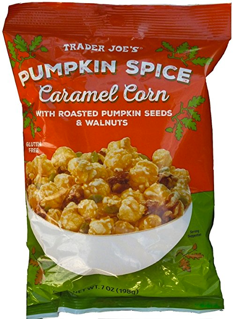
    Pumpkin Spice Popcorn

    Popcorn

    I’m actually kind of interested in this one.

    Pumpkin Pie Spice Pringles

    Pringle

    Who thought of this combination? I just want to talk.

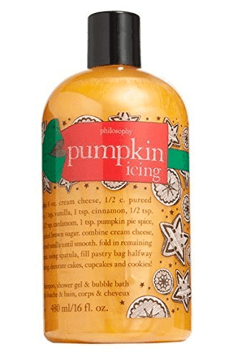
    Pumpkin Icing Body Wash

    Bodywash

    There’s nothing quite like pulling up to work smelling like a pastry.

    The pumpkin has already become an American marketing tradition, and it doesn’t seem to be going anywhere anytime soon. So the next time you cringe at the sight of pumpkin pie spice Pringles, just think to yourself that in a few months they will be off the shelves (until the next holiday season, that is.)

    Remember: the devil is working hard, but the seasonal marketing industry is working harder.

    Images from Amazon.com

    -Shane Miller

  • Money or Brand? – The Debate Over Selling Out

    Do you feel the crisp fall air yet? Can you see the leaves changing and falling? What’s that you say, it’s still 76 degrees out? No, no way. Let’s just focus on the leaves. Ah, welcome back fall.

    herestofall.gif

    With the changing of the leaves, let’s turn our attention westward to the mountains, the land of the leaf change. Specifically, let’s focus on everyone’s favorite hippy den, Asheville. Asheville has grown to be somewhat of a Mecca for breweries. Because of the city’s hipster nature, many microbreweries and craft breweries have found their home there, and have made quite a big name for themselves. Breweries like the Wedge, the Wicked Weed, and L.A.B. have all found a home in Asheville. However, just as seasons change, so too do brands.

    This being said, the big news this summer was that Asheville’s biggest success story, Wicked Weed Brewing Pub, had been sold to Anheuser-Busch. An extreme change for their brand, this act completely changed the way people viewed the Wicked Weed. For those of us in IMC up until last year, this is actually quite reminiscent of the story told by Ben & Jerry’s, who sold out to Unilever to make sure their business could weather the risks they took, meaning the company could experiment more. From a business stance, this is actually a very good move.

    This is a good move for many reasons, primarily because of increased distribution through Anheuser-Busch. Even here in Wilmington, 280 miles from the source, you can now find Wicked Weed beers in your grocery store and local bars. The Wicked Weed is now able to reach beyond the limited customer base they started in, and reach to entirely new places. All of a sudden, because of their new owner, the Wicked Weed can reach new heights, not to mention experiment more with their beers and not have to worry about a drop in sales.

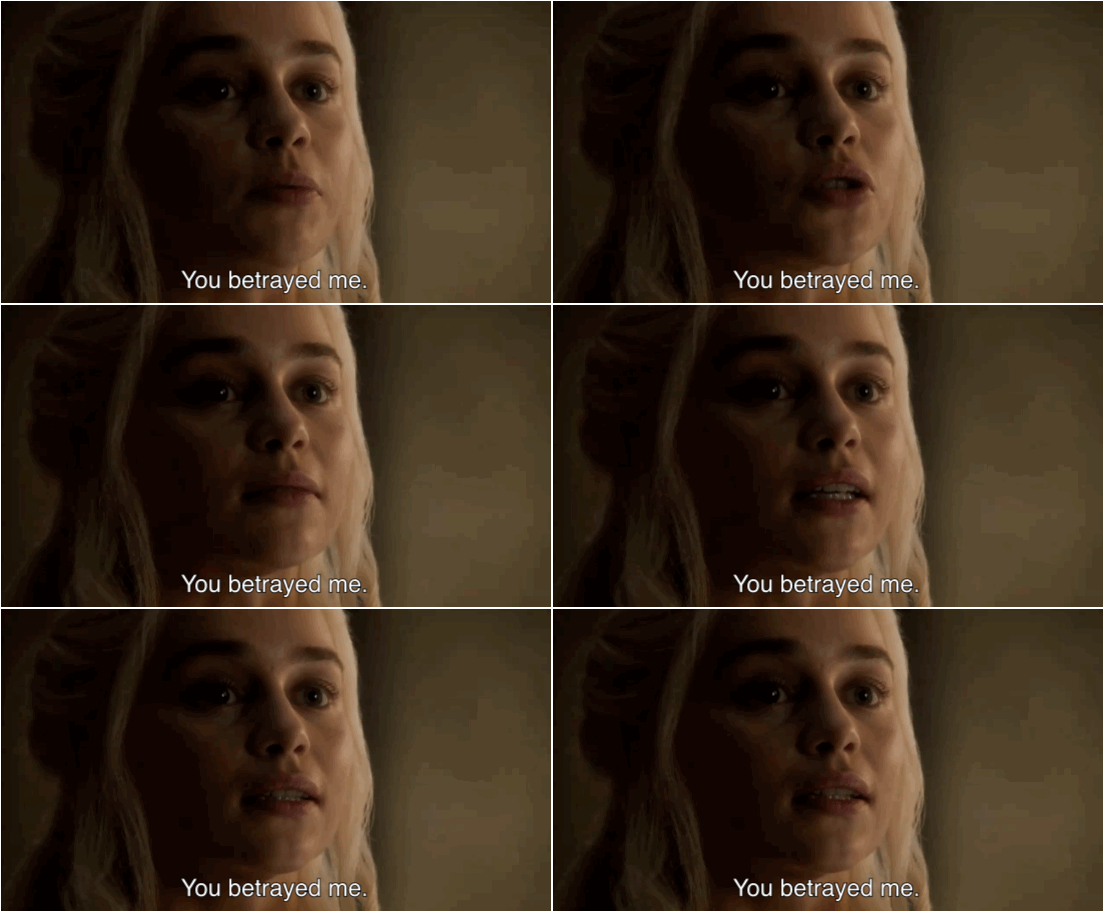
    But what about the viewpoint of an Asheville consumer? Here’s the gist of their response:

    betrayal.gif

    In terms of their Asheville publics, the Wicked Weed could not have made a bigger mistake. What might have been a great move on paper was a horrible move when exposed to the greater Asheville culture. Asheville natives and craft beer aficionados immediately saw the Wicked Weed as a traitor to the craft brewery culture they had worked so hard to build. The immediate backlash was overwhelming, with over 44 breweries dropping out of The Wicked Weed’s annual Funkatorium beer festival, and hundreds more restaurants and distributors countrywide refusing to carry their beverages.

    How could this have been prevented? Well, several ways come to mind, but the biggest is through using IMC and customer surveys to find out public opinion, and in turn using that to change the details of the sale to either keep the brewery owners in power, or at least get a better deal for the brewery. Because of the Wicked Weed’s chosen path though, they alienated their primary publics. Usually, with businesses, this spells disaster.

    disaster.gif

    In this case, only time will tell. We haven’t seen enough of the new Wicked Weed’s performance to be able to tell whether or not this is a good thing. But based on the principles of IMC, they have to be pretty confident in their newfound publics to abandon such a loyal base in Asheville.

    The moral of the story? This abandoning of a consumer base is a little unorthodox, but sometimes it’s the best idea for the business. Sometimes, it can allow you to reach past your current publics. But it’s only recommended in specific circumstances, like when a business is struggling. The Wicked Weed was not struggling. We’ll have to keep an eye on the Wicked Weed, to see how they perform this coming fiscal year. The choice to completely change their brand could work wonders or it could send them crashing to the ground.

    -Eli Jenkins

  • Does our Holiday Cheer Make Us Targets?

    It is officially November therefore we have bypassed Thanksgiving and went straight to Christmas, right? That’s how it feels like in most stores. Walmart and Target already have Christmas decorations up, so shouldn’t we be talking about the most wonderful time of the year aka Christmas? Before we know it ABC Family (Freeform) will have their 25 Days of Christmas on and we will be decorating our tree. Don’t get me wrong I love Thanksgiving, but just talking about Christmas makes me happy. It is this cheer that makes me a target for the consumerism of the holidays.

    The holidays are the happiest time of the year, but many businesses exploit that cheer in order to get you to buy their products. This is because people are more likely to purchase items when they are happy. If a company markets themselves as festive then they are more likely to be successful during the holidays, so your love for the holidays makes you a target.

    Here are four ways marketing campaigns use the holidays to exploit us: 

    1. Targeting Our Holiday Feels

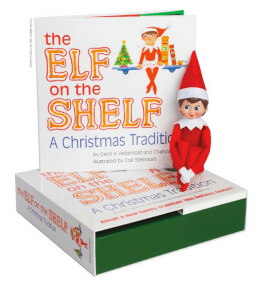
    Like I mentioned above, consumers are more likely to purchase an item when they are happy, and a season full of holiday cheer is a company’s goldmine. This is why brands make themselves festive during the holidays. Booktopia is a mastermind of this concept with their “Elf on a Shelf” campaign. This campaign of a holiday tradition brings seasonal traffic to their company.

    Screen Shot 2017-11-03 at 12.11.26 PM

    2. Building Anticipation

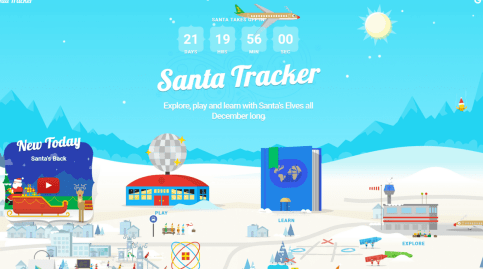
    Our culture loves rewards and the eagerness of receiving one makes it that much better. This is why building up holiday announcements and deals make the deals themselves better. Google’s Santa tracker is a perfect example of this. The trackers make you anticipate where Santa is, and creates a holiday buzz for Google.

    Screen Shot 2017-11-03 at 12.29.34 PM


    3. Personalizing

    Everyone loves to receive gifts, but personalized gifts are so much better. When a company allows you to personalize a gift to your loved ones it increases how they feel about a brand. This is because people like personalized items more. Coca Cola “Share A Coke” campaign is great example of this, because receiving a coke is nice but getting a coke with your name on it is better.

    Screen Shot 2017-11-03 at 12.36.43 PM4. Giving Back

    One aspect of the holidays is gift giving. Although these presents are nice gestures there is an underlying statute that you will return the gesture in some way. This is why a lot of the time brands will offer their customers a gift in return for purchasing from them. This enables the customer to feel like they are getting something in return. Victoria’s Secret is always doing this with their “get this “free” bag if you spend over $75” campaigns.

    Screen Shot 2017-11-03 at 12.46.57 PM


    The holidays are still the best time of the year, but beware that brands are using this cheer to target you. If you understand what the they are doing though then you won’t be their target.

  • How Oprah Started a Revolution

    For 25 years Oprah dominated not only the television talk show industry, but television as a whole. She amassed many accomplishments during her reign: nonstop Number 1 ratings, tackling stereotypes, groundbreaking interviews, generosity, book clubs, and a lot of laughs and love. This paved the way to her receiving her own channel. But how exactly did Oprah get her talk show to be so successful? 161122130740-oprah-winfrey-super-169

    • By simply being refreshingly meaningful and insightful. Too often these days, we are overwhelmed with superficial ideas from superficial movies and shows. It is refreshing to actually watch a program and walk away feeling enlightened and empowered. Oprah was able to do just that to her viewers. She basically birthed the movement of “self-help” TV shows. She was interested in what people feel and cry, what people were proud or scared of. She broke down barriers and nothing was off limits. She changed the nature of journalism when she became part of the audience on an episode where she featured both victims of sexual abuse and their molesters. She used this episode to convince that she too had been a victim of sexual abuse. She used every episode to help her audience and viewers transform into their best selves. justintimberlakwenn_468x350
    • She established her presence on multiple platforms. She ran The Oprah Winfrey Talk Show, her own magazine and book club, has her own charities, and ultimately her own channel. Bookstores have entire sections dedicated to Oprah’s picks. Products she chose to promote on her show would soon after be sold out everywhere. When you build a platform as large as Oprah’s, you can really impact the public’s actions and opinions.55f20e992c00003600aaf784

    Writing this has me wanting to go binge watch some Oprah episodes! I think we can all stand to benefit from studying Oprah’s approaches and the lessons she promotes. After all, not just anybody can revolutionize TV industry in the span of two decades.

  • Tis the Season for Consumerism: 3 Ways Companies Exploit the Holidays

    It’s November 1st everyone! Aka: The initial day where society tells people that it’s acceptable to not only finally set their radio presets to the holiday music stations, but also that it’s time to begin to fill their everyday mindsets with thoughts of spending, spending, and more spending until the New Year rings in.

    b

    Although I have made the personal decision to avoid going into full on holiday mode  and getting in the spirit of emptying my wallet until Thanksgiving rolls around, it seems that every year companies start their period of pushing their definition of “holiday cheer”, or extreme consumer advertising, to begin earlier and earlier.

    Everywhere we turn during this season, from our holiday Starbucks coffee cups, to ads promoting holiday sales on Pandora between every song, companies influence us to begin to activate our holiday mindsets. Corporations advertise this period as a time for showing your gratitude for your loved ones, and highlight that the only acceptable way of doing so is purchasing the hottest brand name items on the market for them as a token of your love.

    When society dives into the holidays, instinctively families begin to take part in seasonal traditions. During this time, companies administer strategic festive rituals of their own, to engage the public and encourage the idea that consumerism and the “most wonderful time of the year” go hand in hand.

    christmas marketing

    Here are just a few of many ways in which companies exploit the meanings of the holidays and associate their brands with the season’s festivities:

    1. The “Macy’s Thanksgiving Day Parade”

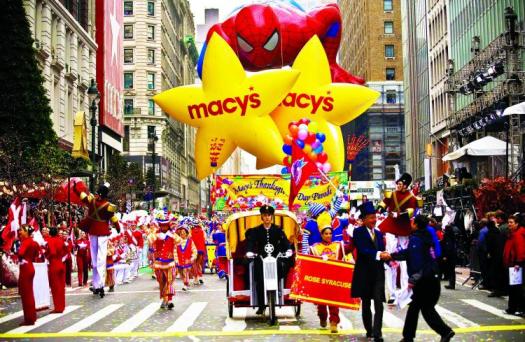
    Families gather around the TV in the living room, surrounded by the company of their cherished ones while taking in the scent of a cooking turkey lurking through the house, the morning of Thanksgiving to tune in to this annual celebration of holiday festivities and dominating brands. Children watch as their favorite Marvel and Disney characters soar through the air as balloons, and their consumer brains are stimulated as they begin to fill up their mental holiday item lists. Millions of viewers watch entertainment unfold as their favorite companies showcase characters singing and dancing in the name of the holidays through the streets of Manhattan.

    macysparade

    2. Black Friday and Holiday Sales

    m

    This tactic of assigning one day for consumers to make all of the holiday wishes of their loved ones come true is strategy at its finest. This annual tradition, which promotes the biggest blowout sales of the season and attracts madness across department stores and shopping malls worldwide, is less than discrete in masking corporations’ roles in the holiday season. Retailers and companies advertise this day of ruthlessly spending with the promises that all of their lists will be checked off in one trip, so that families can then devote the rest of the season to pursuing the “true meaning” of the holidays.

    bb


            3. Holiday Movie Specials

    One of the most memorable parts of the holidays for me, and a majority of consumers, is  counting the days down to Christmas through viewing the most classic films of the holiday season. Networks who air holiday movie specials, such as Freeform with the “25 Days of Christmas” stimulate repeat viewers with weeks of nightly binge watching to encourage the action of families coming together to carry on a yearly tradition and to get them into the holiday spirit. Networks use these positive messages of bringing families closer during the holiday season as a tactic to boost their ratings.

    e


    Embracing the joys of the holidays and Christmastime should ideally be centered around giving thanks, showing gratitude, and spending time cherishing loved ones. Companies will use and abuse this message to their advantage, and try to incorporate their brands as being an essential part to the meaning of the holidays. Now I’m not trying to “Scrooge” the holidays and say to take all of the fun out of the season of giving (and spending), or boycott multiple viewings of “Frosty the Snowman”. I instead am suggesting that during this holiday cycle, you simply take a step back to be mindful of the motives behind this seasonal advertising, and try and figure out if you would define the true meaning of the holidays as the time to break your banks over material items and put your year’s earnings into the pockets of the big name corporations.

    -Jordan Flaherty

  • Hustled by the Holidays: How Companies Compel Consumers

    It is officially holiday season! For many people this means tacky sweaters, eating home baked goods, and watching favorite holiday specials.


    Although holidays can bring about feelings of excitement, it is important to ask:

    What do holidays mean to us as consumers?

    If you have been to the grocery store lately, you may have noticed yourself surrounded by a plethora of pumpkin spice products, colorful bags of candy, and advent calendars. Yes, advent calendars. Halloween is not even over yet and companies are already stocking their shelves with Thanksgiving and Christmas goods. Vendors are highly aware that this is the prime time of year when people spend more money than any other season.
    200-4

    Today is Halloween and Target already has Christmas trees on display! This is a testament of consumer culture in America. Companies do not want to miss one opportunity to make money during this holiday season.

    The goal of each company is obviously to make money. To make money, it is about more than selling a product, but selling a concept. In Integrated Marketing Communication, this phenomenon is known as Brand Identity. Companies know that this time of year can bring about feelings of warmth, nostalgia, and family. These are the concepts they want to sell. Listed below is an example:

    8-400x400

    The unfortunate part here is that products do not deliver their promises. Buying a plate that says “family” does not guarantee that your family will get along and be together over the holidays. That being said, when people see a product that matches the brand identity they are looking for, they are more compelled to buy it. Consumer culture has gotten so caught up in the marketing ploys, that it has taken away from the true meaning of the holidays.

    Let’s look at some popular holidays and compare marketing strategies with the actual meaning of each.

    1. Thanksgiving

    While there may be controversy over this Holiday when discussing the harmony (or lack thereof) between the pilgrims and indigenous people, the hope of Thanksgiving has remained the same. This is a holiday meant for families to come together, open up their homes to people who may not have a family, and share a delicious meal. It is a time for people to reflect on what they are thankful for and perhaps bring up a controversial topic at the table! Maybe your Thanksgiving meals are extravagant, or maybe they look a little more like that dinner scene from A Christmas Story.

    MV5BMWVkNDhjOTMtZDdhMC00YzAwLWEzZTAtODhmZGRhMzZkY2IwL2ltYWdlL2ltYWdlXkEyXkFqcGdeQXVyMDU5NDcxNw@@._V1_

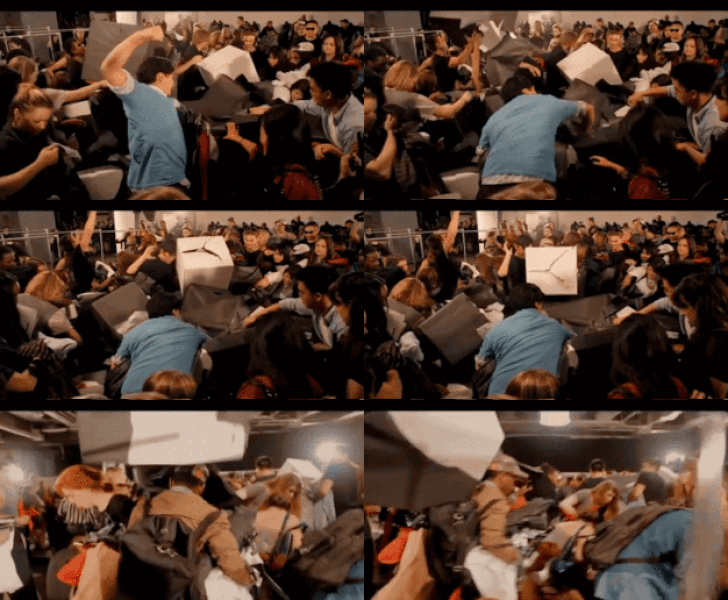
    What is interesting is that the day after Thanksgiving is Black Friday; a day of shopping and sales. We have all seen the mayhem of Black Friday at some point in our lives. (Queue people fighting at Walmart over a blender on sale that they probably do not even need).
    200

    Within the past few years, stores have opened earlier and earlier. It used to be that stores would open at 4am on Black Friday morning, but now some open as early as 6pm on Thanksgiving day. It is as if Thanksgiving dinner is being rushed and stores are coaxing people to get a jumpstart on shopping. In 2016, 35 million people went shopping on Thanksgiving day. In 2014, there were 25.6 million shoppers on Thanksgiving day. We are seeing an increase of people going out on Thanksgiving rather than spending more time with their families at home!

    1. Christmas

    Ah yes, the most wonderful time of the year. It is no secret that December tends to be a month of financial struggle for many people. The true meaning of Christmas is to celebrate Jesus Christ coming to earth and dying for everyone’s sins. As God’s gift to the world, Christ embodies the reason for the season. Christmas is a time for people to be with family and give gifts to each other as a sign of love and generosity. Yet somewhere along the way, this message has been distorted. The focus has shifted from the coming of Christ to greedy consumerism.

    People get more caught up in what they should buy rather than why they are celebrating in the first place. In 2016, Americans spent more than $465 billion on Christmas! 

    This holiday season, pay attention to the marketing strategies that surround you. Holidays call for celebration and sometimes spending money, so consumer awareness is particularly important right now! What are your thoughts on Black Friday craziness and the consumerism in Christmas? Let me know in the comments below!

    -Morgan Adams-