Tag: breast cancer

  • Come Rock with Us

    Tonight marks the 9th annual Rock for a Cure event benefiting the New Hanover Regional Medical Center Foundation’s Pink Ribbon Project. The event is hosted by the Communication Studies Society and will be held at the Reel Cafe, located in downtown Wilmington. The event is to help raise awareness and funds for the Pink Ribbon Project.Screen Shot 2015-10-16 at 11.05.49 AM

    There will be performances from The Schoolboys and UNC-Wilmington senior, Lake Gibson. The auction will contain sports memorabilia, concert tickets, jewelry and other items. Aside from the auction, a raffle will also be held, with prizes such as an iPad mini 3, more concert tickets, gift cards and more. Thanks to the contributions provided by the sponsors and donors, Rock for a Cure is able to provide great prizes that have raised over $33,000 since its inception.Screen Shot 2015-10-16 at 11.03.43 AM

    Rock for a Cure is successful by appealing to not only college students, but also the Wilmington community. The event is only $5 to attend, which makes it one of the most affordable philanthropic events in the area. This allows community members to contribute more towards the auction and raffle, which is a prime generator of the funds. However, the low entrance cost makes the event appealing for students because they can be a part of the event and help the cause.

    The fun kicks off a 6 p.m. tonight. Don’t miss out on this opportunity to give back and have a great time. If you can’t make it, what other ways are you giving back to your community?

    – Nick, Melanie, Mary & Patrick

  • For the Cure: Breast Cancer Awareness or Bank Account Awareness?

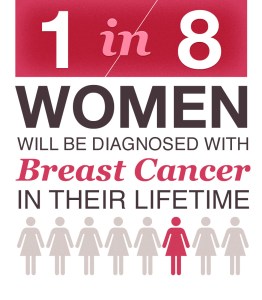
    57e514ad84f3780932dff41d5c63ee2cDid you know one in eight women in the United States will develop invasive breast cancer? And that every two minutes in the United States a woman is diagnosed? Cancer is one of the most feared words in American culture. We focus a whole month to supporting one specific type of cancer. Breast cancer awareness month is an incredible way our nation unites through multiple organizations, to support a good cause. The process is extremely easy for anyone to donate and feel like their money is going to a good cause…or is it?

    Susan G. Komen for the Cure is a widely known non-profit organization that supports breast cancer research. The purpose behind this organization appears to be transparent- but has it gotten to the point where it is just money hungry? Only 20% of the money raised or donated goes directly to breast cancer research. Although this is not out of the ordinary compared to other widely known non-profit organizations, it is misleading how their partnerships also support “for the cure.” Susan G. Komen partnered with KFC to create “buckets for the cure.” KFC’s diet aids to cancer cell growth and the main reason for partnering was to, “reach out to millions of woman they might not otherwise reach…” But, Breast Cancer Action claims, if you want to reach communities that are underserved, then the Susan G. Komen organization needs to reach out to the community health clinics. Clearly from this example of their partnership tactics, there are suspect business practices within the organization. The list of controversial issues that the Susan G. Komen organization has accrued over time is actually surprising considering the foundation started with a good cause in mind.

    Pink-RibbonFor the better part of the last decade, the popular breast cancer charity Susan G. Komen has been racked by controversy. Things began to go awry in 2012 when they pulled support for Planned Parenthood, amid pressure from Republican lawmakers. The non-profit responded to accusations that its actions were, “anti-woman,” saying that the funds were not pulled because of ideological conflicts, but because planned parenthood was under investigation by congress. This is a questionable statement, as the corporate structure of Susan G. Komen has strong ties to pro-life entities. Among other accusations, the organization has taken heat for using donor money to sue other non-profits for infringing on their various trademarks. Notably the phrase “For the Cure,” which has been the subject of many cease-and desist orders, even when the organization had nothing to do with breast cancer. After all of the hits the company took, rather than step down, the CEO took a huge page raise.
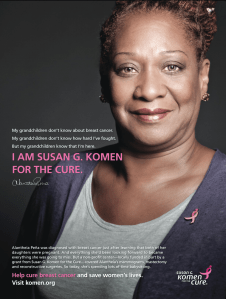
    susangkomenFollowing Susan G. Komen’s changes in grant rules, barring Planned Parenthood’s funds, supporters increased on Planned Parenthood’s side. According to Politico, Planned Parenthood’s Facebook page increased by 10,000 in a few days. Anti-Susan G. Komen for the Cure Facebook pages increased- with titles similar to “De-fund the Komen foundation.” As the news broke regarding Susan G. Komen’s course, Planned Parenthood and #PlannedParenthood started trending on social media and became a topic of interest in mainstream media. Susan G. Komen for the Cure did not convey its message well in response to the crisis. After the crisis, the Komen foundation used storytelling as a way to reconnect with the community- starting a print and television advertising campaign, “I Am Susan G. Komen“. This campaign spotlighted four-breast cancer survivors- using their stories to market Susan G. Komen for the Cure.

    An important thing for organizations, especially nonprofits, to remember is their brand identity and their actions need to match up. Cognitive Dissonance is when someone experiences a feeling of tension when their beliefs do not align with their actions. This theory states that when someone experiences this inconsistency, they will do what they can to reduce this uncomfortable feeling. The Susan G. Komen organization received backlash after developing a perfume “Promise Me”, which contains toxic and hazardous chemicals. Breast Cancer Action exposed the use of Toluene, banned by the International Fragrance Association as well as Coumarin, banned by the Food and Drug Administration.

    People donate to Susan G. Komen, which presents itself as a non-profit organization donating its funds to breast cancer research. When those who donate hear about Susan G. Komen partnering with organizations, which do not promote health, such as KFC, creating harmful fragrances for sale, and giving only a small amount of money to breast cancer research, cognitive dissonance occurs. They may feel uncomfortable because of the inconsistency in what the organization presents itself as doing and what it is actually doing. Those who donate will oftentimes choose to reduce this feeling by stopping their donations to the organization altogether. If a non-profit organization wants to thrive financially, they need to ensure that their actions align with how they present themselves and their original intent.

    breastcancerawarenesslogo1

    Reading the information on Susan G. Komen for the Cure, one might expect all nonprofit organizations follow their guidelines. Here are other foundations and organizations supporting breast cancer research and finding a cure:

    It is easy to show how significant the topic of breast cancer is within the United States. There are countless statistics about the impact breast cancer makes- that would shock any reader. So, hearing that one of the most well-known organizations, whose existence is centralized around breast cancer research and finding a cure- may not be the hero it has portrayed itself to be, is concerning.

    We, as the American public, have a duty to be alert to the aspects that make up our charities and nonprofit organizations, and be diligent in how we distribute our donations. As a reader, what are your opinions on Susan G. Komen for the Cure? Would you donate your time and money to this organization?

    -Jonathan Callahan, Erin Fouhy, Julia George, Joseph Hines, and Sarah Suggs

  • A Symbol of Hope or Shopping?

    1
    http://www.sportivostlucia.com/?attachment_id=780

    Whether it be the NFL, Yoplait’s pink lids, or local breast cancer benefit events, like UNCW Communication Studies Society’s Rock for a Cure this Friday night, the color pink is plastered all over the nation during the month of October. As it stands, the pink ribbon is a universal symbol representing the fight against breast cancer. Over the past few years some critics have emerged saying this beacon of hope has merely become an annual marketing campaign. Nancy Stordahl, a blogger for the Huffington Post, criticizes the campaign and in 2012 she composed a list of the ten things she felt were wrong with the pink ribbon.

    You can find the full article here, but there are two points in particular she relates back to marketing that raise an interesting discussion. The first is that the pink ribbon is being used to sell stuff and has lost its original purpose, a purpose to unite this country and show our commitment to finding a cure. Today, marketers are using the pink ribbon to tie the cause to the products they are trying to sell. Stordalh even calls breast cancer the “shopping disease.” Customers are no longer buying just the product but they are now buying into the pink ribbon and what it has traditionally stood for. The typeology approach to IMC acknowledges that companies have products that look like another company’s products and services. However, it also points out that the market depends on common interests between themselves and the people who can help their company thrive. While the number of pink ribbon branded products on the market may be alarming, maybe marketers are giving consumers what they want – a deeper connection to a brand that allows them to make a contribution to something that has seemingly impacted them both.

    The second point Stardahl makes is that marketers are selling the idea of “selling good will.” If the consumer purchases a product that will lead to a company’s contribution, the consumer views this purchase as their contribution to the cause. This tactic allows corporations and organizations to sell more products and increase profits while enhancing their corporate social responsibility at the same time. In turn, consumers are able to buy into the commodity culture that surrounds the pink ribbon. They become part of the fight and part of the cure all while donning their pink ribbon branded merchandise.

    3
    http://www.shescribes.com/2010/10/free-60-day-membership-to-bjs-wholesale-club-for-everyone.html

    Next time you have the opportunity to join the fight, think local and try to avoid the marketing tactic of “selling good will” and supporting the “shopping disease.” If what critics say is true, and the pink ribbon has lost its symbolism for hope, strength and a unified commitment to a cure, is it ethical for marketers to continue using this symbol on their products? Let us know what you think about the national attention that is brought to the pink ribbon. Do you think it has become a marketing tactic or does it still representation of the fight to find cure?

    http://www.huffingtonpost.com/nancy-stordahl/breast-cancer-pink-ribbons_b_1951319.html

  • Pink-Trash: Raising Awareness From The Ground Up

    9754PinkTrashJJ08
    wilmingtonbiz.com

    It’s an effective  grassroots campaign with a unique selling proposition…but it really starts in your garage. Pink-Trash is a locally owned recycling and trash collection service with a philanthropic edge to it. Founder and president of Pink-Trash Kelly Buffalino got the initiative to start up the company after noticing the unpredictable and varying monthly trash collection rates her husband paid to a national provider for his local business.  Taking things local Pink-Trash established itself in a partnership with Inman Septic in late 2011 and began servicing the Wilmington community’s residents, contractors and commercial businesses with a cost effective, flat rate and no fee trash and recycling service. But Pink-Trash is more than just an innovative color to line the streets on trash day. Through non-traditional marketing strategies the company’s pink trash can and ribbon brand image serve to represent and promote Breast Cancer Awareness and specifically North Carolina’s Pretty in Pink Foundation (PIPF).

    pink-trash.com
    pink-trash.com

    The Pretty in Pink Foundation was founded in May of 2004 by Dr. Lisa Tolnitch, a breast cancer surgeon, with the purpose to serve women in North Carolina. They aim to help those who do not have the funds to pay for their breast cancer treatment, often women without medical insurance.  Almost 20% of women living in North Carolina do not have any health insurance, and around 14% of those women are also living below the poverty line.  Through fundraising and sponsors, the goal of the Pretty in Pink Foundation is to ensure that North Carolina women have the treatment they need for their breast cancer, regardless of their funds.  Aside from donations, Pretty in Pink Foundation has a variety of fundraisers to invite the community to get involved.  Some of these include free exercise classes for women going through chemotherapy, fashion shows, 5k races, and a golf tournament, and of course their unique partnership with a local trash company.

    People may not intentionally go searching to get involved in the PIPF’s movement to support cancer survivors and patients, but the trash cans function as an undeniable reminder that the non-profit and its cause are a relevant presence in the community. The trashcans represent a source for the Pretty in Pink Foundation to be recalled as the dominant local breast cancer  awareness support system and at the very least to gain recognition in association to breast cancer awareness.  Beyond just promoting the PIPF through aesthetic recall and recognition methods, Pink-Trash also donates 1 percent of all its proceeds to the Pretty in Pink Foundation’s cause raising a whopping $502,000 in contributions for the PIPF in the year 2014.

    pink dumpster
    pink-trash.com

    Pink-Trash’s commitment to breast cancer awareness and the PIPF harnesses a grassroots business approach. As the name implies, a grassroots marketing campaign starts at the bottom and works its way up. Starting on a local level with a small dedicated group, a grassroots movement appears to spontaneously spring into action. Involving the community in raising awareness and funds also makes an organization and its initiative more accessible, and what is more accessible than a trash service. Having a pink trashcan isn’t a symbol of status rather a quiet call to action. While Pink-Trash’s grassroots campaign is increasing in size and support, they are also strengthening the communities they reach. Friends and neighbors can feel they are part of something bigger than themselves by simply taking out the trash. Although there are many recycling options Wilmington locals can choose from, Pink-Trash set itself apart from their competition with their unique selling proposition. They convey to consumers that recycling with Pink-Trash will help benefit Pretty In Pink Foundation’s vision is to eliminate financial barriers and to provide assistance/ resources to any breast cancer patient with financial needs for both treatment and surgery.

    The Pretty in Pink Foundation and Pink-Trash have created a mutually beneficial partnership knowing one organization will lead to awareness of the other. These local takes on waste and philanthropy combine to give back and service New Hanover County and surrounding areas proving that collaboration is at the core of any strong marketing plan. Who would have thought a trash company could do so much for a cancer foundation? Imagine the possibilities of unusual partnerships, and the effect it would have on marketing!

    What unusual marketing strategies are your favorite?  How effective do you think trashcans are as a promotion method for the Pretty in Pink Foundation?

    http://www.wect.com/story/16202490/think-pink-trash-collection-service-gives-back-to-breast-cancer-research

    https://www.prettyinpinkfoundation.org/index.aspx

    • Aki Suzuki, Alexis Trimnal, Carey Poniewaz, Carey Shetterley, and June Wilkinson
  • Making a Difference Off the Field

    October holds several different meanings for the members in our society. It represents the beginning of the fall season and the theatrical holiday Halloween. To a smaller group, it is about National Bullying Prevention Month, which was recognized by the United States since 2006. October also stands for a nationally recognized, very important cause that affects thousands of individuals every year: “Now, therefore, I, Barack Obama, President of the United States of America, by virtue of the authority vested in me by the Constitution and the laws of the United States, do hereby proclaim October 2012 as National Breast Cancer Awareness Month.” As individuals in our society are guided by various narratives and learn from different experiences, Pittsburgh Steelers’ running back and former Carolina Panther DeAngelo Williams finds a special importance in the month as he unfortunately lost his mother to breast cancer in May of 2014.

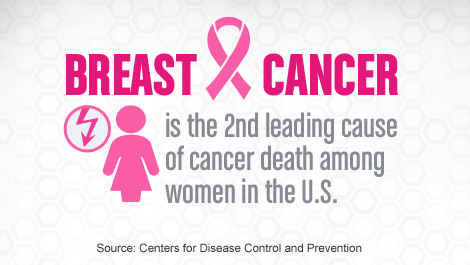
    In the book “Communication Theories for Everyday Life”, Walter Fisher, a contemporary theorist, speaks of how people are strongly influenced through storytelling: “Fisher believed that human beings are by nature tellers of stories… that the world was best understood as a series of stories that compete for our attention and adherence,” (Baldwin, Perry, & Moffitt). Individuals process and evaluate the persuasiveness of competing stories using narrative rationality, but the stories must also be popular or understood by the masses to have a full effect. About 1 in 8 women will develop invasive breast cancer during her life and about 40,290 women in the United States are expected to die in 2015 from breast cancer. However, our society didn’t quite stress the importance on the issue until recently and the actions that DeAngelo Williams has taken along with the NFL community have helped increase awareness immensely. Breast cancer is a part of his family’s story like many others, but he has used his stage as an NFL player to help take the initiative and his passion about raising awareness increases participation from other members of the NFL community and American society.

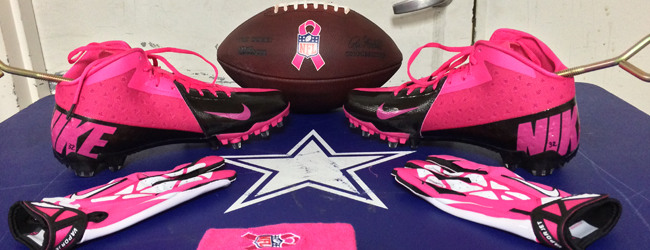
    The color pink is now extremely prominent on the football field during National Breast Cancer Awareness Month and a sport so heavily reliant on the bravado and testosterone of its players are now seen wearing pink gloves, shoes, and towels with a pink breast cancer awareness ribbon. Williams is the pioneer of this tradition and it is amazing to see where it has gone. It initially started in the summer of 2009 when Williams asked Riley Fields, Panthers director of community relations, if he thought the NFL might consider letting players wear pink cleats in addition to other pink apparel the league already planned to allow. Not only do players, coaches, and game officials wear pink, but many of their game-worn items are auctioned off with direct proceeds going to the American Cancer Society.

    The role that breast cancer played in Williams’ life left him compelled to help try to fight a disease that will continue to plague the lives of so many others. The support he has received in his efforts have allowed for the widespread increasing awareness of breast cancer in the month of October. Even the video game “Madden NFL 16” has incorporated the ‘pink treatment’, as Williams’ character in the game reflects his decision to dye some of his dreadlocks pink last September in honor of his mother. In a recent effort to increase awareness, Williams uploaded a two-part video to Instagram with him as the focal point of a commercial to help spread awareness with the caption: “This new TV commercial is dedicated to my mom, my 4 aunts, and women everywhere affected by Breast Cancer. I love you. #WeAreInThisTOGETHER.” It can be seen at https://www.youtube.com/watch?v=F5vahCK0pyg.

    -Griffin Weidele, Austin Moody, Luci Keefer, Allen Wooten, Scott Uraro

  • News Flash: Men have breast cancer too

    When we think breast cancer, many of us think pink ribbons and a sorority of survivors and supporters. Unfortunately, an important percentage is often forgotten. One in ten men are diagnosed with breast cancer, and although this number is significantly less than women, a diagnosis for breast cancer in men brings along an entirely different set of challenges. One cultural conception of disease is a disease being a cultural stigma. Many men do not know that having breast cancer is even a possibility and think of it as a “woman’s disease.”  Men diagnosed with breast cancer often go into a state of shock, confusion and embarrassment along with the other concerns a cancer diagnosis includes.

    Image

    Many women know when the harmful BRCA 1 and BRCA 2 inherited gene runs in their family, and these women are more likely to get frequently tested. Many men, however, are unaware that they are also susceptible to inheriting these genes. Often, a male diagnosis can be more fatal, because they do not know they should be looking for warning signs. These symptoms become more dangerous the longer they are left untreated.

    The Health Belief Model explains that if people are more aware of potential risk and harm they face, they are more likely to take preventative action. There needs to be more health campaigns to raise attention to the cause. There are some organizations, such as The BLUE WAVE and H.I.S Breast Cancer Foundation, who are making efforts to spread awareness for male breast cancer by holding events for men and women diagnosed with breast cancer to support each other and raise awareness. Most importantly, their mission is to ensure these men they are not alone. Even though some groups have begun to spread the word, a large challenge still remains to beat the stigma of men with breast cancer.

    – Rachel Edwards, Dylan Fowler, Ashley Creps, Chad Darrah, Ryan Nagy

  • Is the Cure on your Agenda?

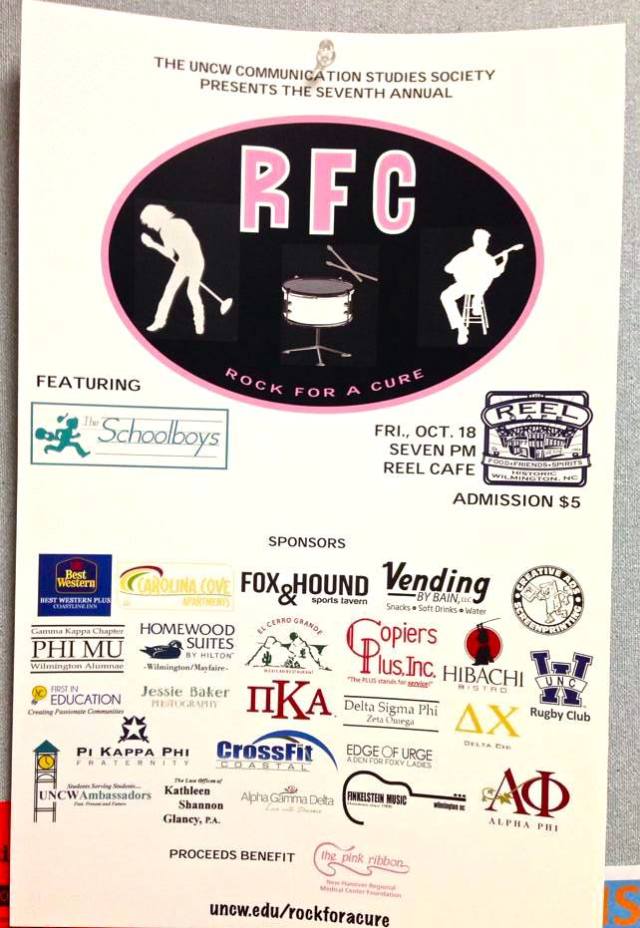
    In just a few short days, the Communication Studies Department at University of North Carolina Wilmington will be hosting their 7th annual ‘Rock for a Cure’ fundraiser.  The event is held to help raise funds and awareness for the New Hanover Regional Medical Center Foundations ‘Pink Ribbon Project.’  On October 18th, at 7 p.m. students, staff, and community members will head to Reel Cafe in downtown Wilmington to listen to live music, enjoy drinks, and socialize while raising money to help local women fighting breast cancer.  To attend this event, all you have to do is purchase a ticket for five dollars, and “since the events inception, Rock for a Cure has raised more than $22,000 to assist local women with mammography screenings and care bags for women who are undergoing cancer treatments.”  This is always a much anticipated event on campus because of the large amounts of community news coverage, sponsorships, raffles and the fact that UNCW’s very own, “The Schoolboys” will be performing.

    582135_511063455654107_2141160679_n

    The Pink Ribbon Project “has helped thousands of local women – without insurance or other financial resources – by providing mammography screenings, diagnostics, comfort items and spiritual support.”  They provide information via their Facebook page that informs the public of any local places or events going on that donate proceeds to their project. The Pink Ribbon Project, since its founding in 1998, has raised over $1.4 million for women undergoing cancer treatment in the New Hanover region. The organization has also provided over 5,200 comfort bags, which include necessities during treatment as well as inspirational insights.

    October was first designated as the National Breast Cancer Awareness Month over 25 years ago and since then has been used as a source of revenue for many foundations. Although foundations such as Susan G. Komen and the American Cancer Society raise money year round, October is targeted to generate specific media coverage for awareness, prevention, and research for breast cancer. Countless organizations including the NFL also bring awareness to this cause and by doing this, they, along with the other organizations are harnessing the Agenda Setting Theory. If a news item is covered frequently in the media, audiences will regard the issue as more important.  The Agenda Setting theory is used when telling audiences what to think about, not how to think. Rock for a Cure is able to gain so much support from students because it is a prominent topic on UNCW’s campus. Students, staff, and community members are all made aware of this event through various outlets such as Facebook, the school website, posters, online news articles, and information sessions.

    546908_10151980755359108_1202783879_n

    Can you think of a time when the media has influenced what you have thought about? Where have you seen the Agenda Setting Theory being used recently? Has this been a successful method used for Rock for a Cure?

    See you all Friday at Rock for a Cure!

    -Aaron Love, Kara Zimmerman, Rachel Clay, Rebecca Hobbs