Tag: Brand Image

  • Hopping Into Fall

    LHBW_Fest_CC_web-662x1024

    With beers like Belgian Triples, Indian Pale Ales, Oatmeal Stouts- one can get lost in the logistical nightmare of creating an individual brand. Dogfish Head and Flying Dog breweries created slogans, “off-centered ales for off-centered people since 1995” and “good people drink good beer”. Fortunately for local Lighthouse Beer and Wine, the hard part is no longer the beer, but bringing individuals together.

    This year’s 14th Annual Lighthouse Beer and Wine Festival will continue uniting breweries with beer-loving consumers- overlooking beautiful Downtown Wilmington. According to NC Beer Guys, more than 120 breweries will be present on October 24. The festival runs from 1pm-5pm, with the option to purchase VIP tickets, allowing for early entry. Paired with craft beer and wine, the event will host local food trucks and live music, featuring Greensboro natives, Holy Ghost Tent. The festival does not stop there! A portion of proceeds are donated to The Carousel Center, “a non-profit organization committed to assisting victims of child abuse, providing critical care services throughout Southeastern North Carolina”. The combined thirteen Beer and Wine Festivals, donated $150,000 to the cause.

    Screen shot 2015-09-23 at 12.43.30 PM

    Lighthouse takes to social media, outreaching to communities and consumers, past Wrightsville Beach. Promoting the 14th Annual Festival through the normal social media contenders:Facebook, Twitter, and Instagram– as well as a websiteEach outlet allows Lighthouse to reach their consumer base and audience- with obvious overlap. The seamless flow from platform to platform, and from consumer to provider, bolsters the brand immensely. The identity that Lighthouse Beer and Wine has developed, is the result of careful social media management- and dedication to a specific brand image.

    Screen shot 2015-09-23 at 8.45.35 PM

    Lighthouse Beer and Wine Festival has been at the top of every beer-lover’s fall to-do list for nearly a decade and a half, it has done a great job at remaining relevant with the new ways of integrated marketing. When one explores their social media accounts along with its website and blog, their identity is consistent and tailored to their audience. Lighthouse beer and Wine is very active on social media, especially so on their Instagram account. They share regular updates about:

    • New craft beers, wine, and sake
    • Information about the festival
    • Friendly reminders to purchase festival ticket(s).

    Lighthouse promotes the festival within the store itself. It provides the opportunity to walk into the store, purchase a case of beer or bottle of wine and grab a ticket to the festival. How easy is that! 

    “The traditional marketing plan can do no more than give us a snapshot of a point in time. It doesn’t help us make the right decisions as we move forward in a complex and constantly changing marketplace” (Shiffman, 2008). The Engagement Theory discusses the importance of moving away from the traditional marketing approach, which only focused on profit of the business, and on toward the bigger picture: building the brand and engaging with your publics. As long as Lighthouse Beer and Wine Festival continues to keep this outlook at the forefront of their marketing strategy, they will remain a trademark of fall in Wilmington! 

    Now that you have heard what we have to say, what do you think? Does Lighthouse Beer and Wine reach their fullest potential with their approach to social media and customer interactions? Or does it leave something to be desired?

    -Jonathan Callahan, Erin Fouhy, Julia George, Joseph Hines, and Sarah Suggs
  • Pumpkin $pice

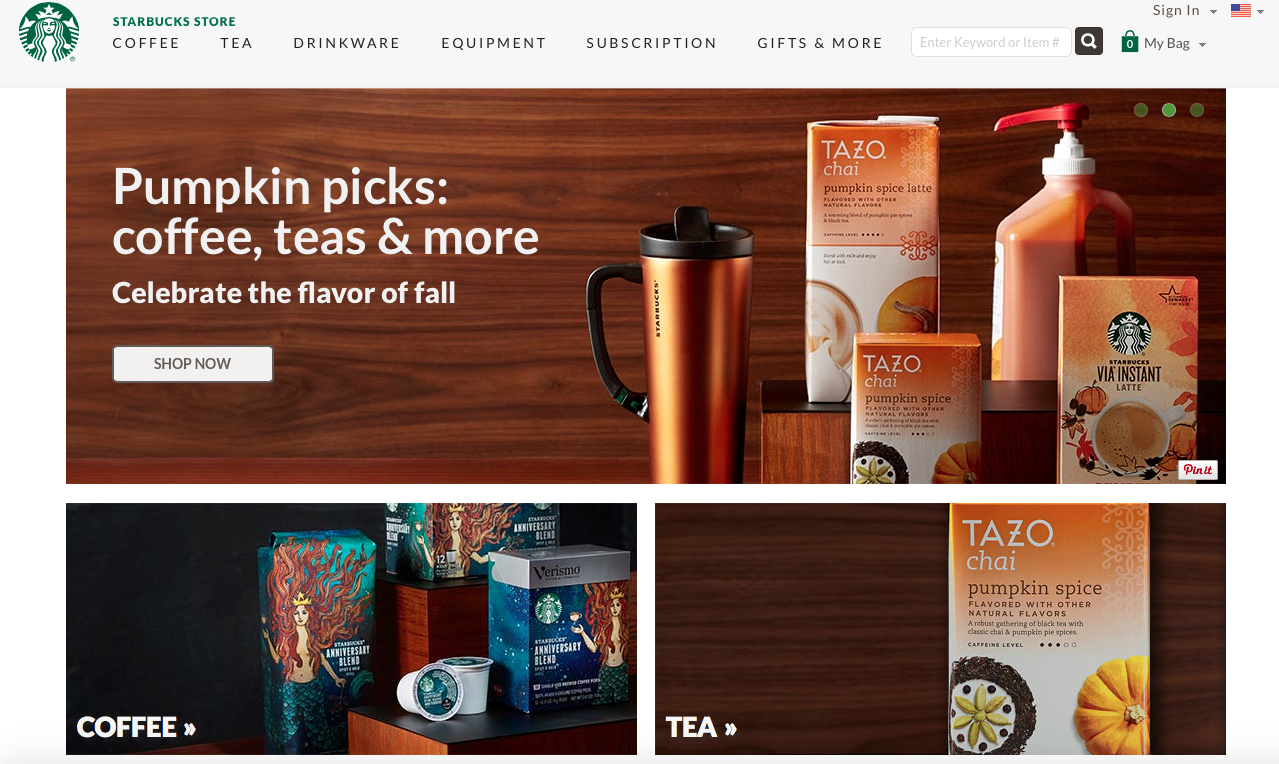
    Although today is the official first day of fall, pumpkin flavored lattes and #sweaterweather advertisements have filled our newsfeeds for weeks.  Preparation for America’s “favorite season” is a prime example of strategic planning when it comes to IMC.  Companies, such as Starbucks, take no mercy on branding fall for a profit.  Take a look at the Starbucks home page:

    Screen Shot 2015-09-21 at 1.45.54 PM

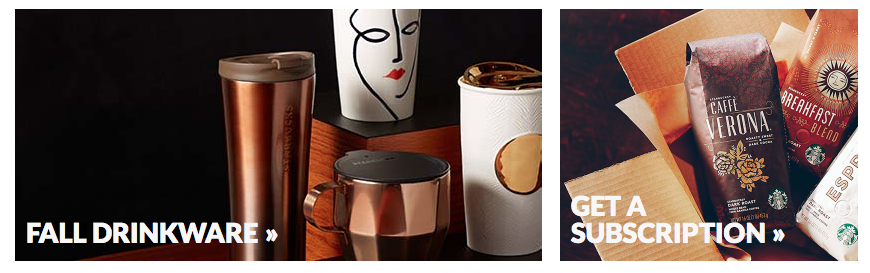
    “Celebrate the flavor of fall” with pumpkin spiced teas and pump bottles of artificial pumpkin flavor.  Starbucks goes above and beyond by defining fall and reminding us it is time to put a dent in the pumpkin population and enjoy this fantastic, fall sensation.  Keep scrolling and you will find the “Fall Drinkware” section of their website, offering a variety of different orange coffee mugs for about 20 bucks a piece.

    Screen Shot 2015-09-21 at 1.45.42 PM

    A little much?  Well, according to Fortune Magazine, Starbucks reported a 10% increase in the fiscal fourth-quarter sales in 2014.  Evidently pumpkin spice does come at a price.  The company is reportedly brewing up more ideas and plan to add to the recipe by creating a “fall flavored” line of sodas, smoothies, and yogurts.  Limiting the availability of these fall treats help build upon the chic image Starbucks maintains to its publics.  Though some may gasp at the thought of paying over 5 dollars for one of these sought after lattes, to many, fall just wouldn’t “be in the air” without them.

    S. Alyssa Groom wrote in her article, Integrated Marketing Communication Anticipating the “Age of Engage”, that it is now impossible to create a marketing plan to follow at the beginning of the year.  Starbucks’ creation of this fall line is a prime example of Groom’s theory.  The company has broken the marketing year into segments and focuses on specific aspects of what is popular and “hip” during that market period.  Groom also mentions that “marketing can no longer stand alone” and the importance of customer engagement.  Through social media pages dedicated to this fall line and the creation of hashtags, Starbucks makes purchasing one of their fall items interactive.  Allowing for customers to post pictures, tag the company, generate new hashtags and register for giveaways.  These strategies get the customer excited about going out and buying Starbucks products.  Customers now “buy into” the Starbucks brand, going beyond a simple cup of coffee.

    -Luke, Dan, Amanda, Meleah and Kendall

  • Semiotics of Halloween

    Fall marks the start of the holiday season, none more mischievous than Halloween. Through semiotics we use signs and symbols to interpret the world around us. Ferdinand de Saussure originally defined semiotics as a science that studies the life of signs within society, part of both social psychology and general psychology. When thinking what signs or symbols constitute Halloween, pumpkins, costumes, and candy may come to mind. These are consistent symbols in our society, but Halloween begins to represents different things as we get older. Younger children are only interested in trick-or-treating, carelessly walking through the neighborhood getting candy as a cautious parent or two watch from the bottom of each driveway. Teenagers tend to use the holiday in a more rebellious way as they cover trees in toilet paper, throw eggs at neighbors’ houses, and scare their younger counterparts. College students embrace Halloween as a time for costume parties and excessive drinking.

    Alcohol always seems to increase the chance of risk for any situation. For those who tend to get a little too rebellious, Halloween can represent a night they wish they could forget. Outrageous, appalling actions will also change the image portrayed by an organization, a university, and its students. East Carolina University suffered such an incident last year the day before Halloween when a large party at Riverwalk Townhomes could not keep people from attending and eventually turned into a riot. The following night being Halloween, WITN news reported, “In an email to all students last night, Chancellor Steve Ballard said any student involved in illegal activities on Halloween or the day after will also face possible disciplinary action from the university.” Although a diverse group of people were responsible for the riot, ECU’s image was put to shame and must implement a plan to restore their image to their publics. Semiotics is the science of communication and sign systems and the ways people understand phenomena and organize them mentally. The students that were a part of the riot last year have a different understanding of the semiotics of Halloween than most others would that did not have such an experience. The pumpkins and costumes may have been replaced with handcuffs and drinking tickets, replacing the previous symbols they associated with the holiday.

    Particularly in America, symbolism is inspired by classic film like Dracula and Frankenstein, and characters such as these are artifacts for understanding a typical American Halloween. Black and orange define Halloween as the traditional colors, supernatural forces and spirits of the dead are brought back in the societal light, and black cats and spiders represent the bad omens that the holiday can bring about. For a number of ECU students, Halloween itself was a bad omen and the university is still dealing with image issues as they near the next Halloween. No organization seems like an inviting place after a major controversy that negated societal values. Remember to enjoy Halloween, but not too much!

    – Griffin Weidele, Austin Moody, Allen Wooten, Luci Keefer, Scott Uraro

  • (A)Broadening Your Horizons

    10156134_880936395269873_65763143285790249_nThe study abroad program is one of the leading assets provided through majors at UNCW. Students and faculty/staff can take advantage of the chance to study in a foreign country. The university does a wonderful job promoting this opportunity given to all. Through the use of IMC with the Study Abroad Ambassadors, the program continues to grow each semester.

    According to the Institute of International Education 290,000 university students studied abroad for academic credit in 2012-2013. At UNCW, more than 500 programs in over 50 countries are offered, with many academic majors requiring students to gain credits abroad.

    Similar to other universities with enrichment programs, UNC Wilmington allows study abroad returnees, who are passionate about their experiences, to join the Study Abroad Ambassador program. Ambassadors assist the Office of International Programs with promoting and marketing their study abroad experiences through on-campus events and social media portals.

    Walking down Chancellors can be chaotic for most students and faculty members. Many ignore organizations passing out pamphlets and stickers to never noticing the chalk from Wag to Randall. The variety of outlets the Study Abroad Ambassadors utilize to promote opportunities helps reach a broader audience.

    • Study Abroad Fair
    • On-Campus Tabling
    • Banners
    • Intercultural Festival
    • Pre-Departure Organization
    • Classroom Presentations
    • Individual Meetings/Guest Speaker Events

    The Ambassadors at UNC Wilmington are passionate about study abroad programs and helping others gain access to any information, making dreams of studying abroad become a reality. The Study Abroad Fair and the Intercultural Festival are two prime examples of promotional events with on-campus marketing techniques. The Ambassadors who attend these events significantly contribute to the brand of the program. They generate content for various on-campus events and serve as a face for the organization. Through their donation of time, they add credibility to the organization, showing fellow students their passion for the program. Walk into Fisher Student Center or Randall and notice organizations tabling? Most student organizations at UNC Wilmington use that technique to market their purpose and mission. The study abroad program uses Ambassadors to promote the idea of traveling across the world, from freshman to seniors.

    Recently, the Office of International Programs released the Study Abroad Online Magazine– containing pictures and testimonies from Ambassadors and study abroad returnees. Offering easy access to information and keeping up-to-date with today’s marketing techniques. Similar to other on-campus organizations, the study abroad program has up-to-date social media accounts. On Facebook, Twitter, and Instagram, students and faculty/staff are informed on informational sessions, scholarship opportunities, and photo contests.

    -Jonathan Callahan, Erin Fouhy, Julia George, Joseph Hines, and Sarah Suggs
  • Undefeated since 1947

    Hearing the roar of fans painted in teal, navy blue and gold on Saturday afternoons brings excitement to our bones. One can only wonder why UNCW lacks the school spirit that a collegiate football program can provide. If a single sport unifies the student body, then why not take immediate action?

    According to ESPN, more than 600 universities contain collegiate football, 32 teams are located in North Carolina. So, why doesn’t UNC Wilmington have a football program? Location, finances, and UNCW’s brand image can all contribute to that fact.

    The SeahawkUNCW’s newspaper states, a university requires roughly $50 million dollars to start a collegiate football program. Raising the tuition at UNCW would be one option if a collegiate football program were desired. A charity fund needs to be set up, but the amount donated is only 1/6th of the money UNCW receives annually. 

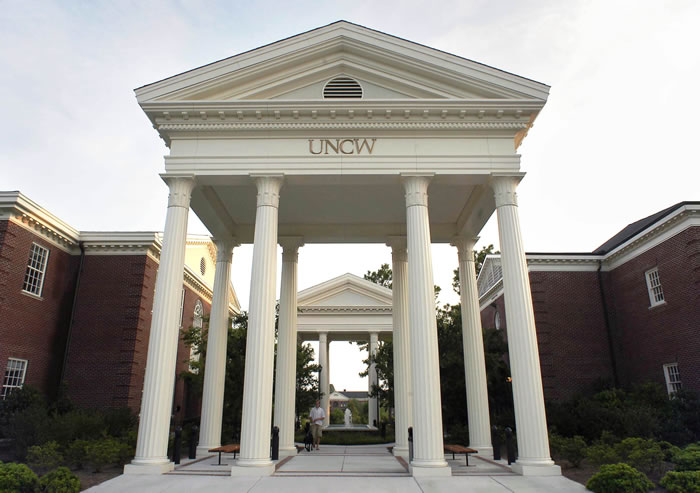
    arch03

    http://uncw.edu/fll/latin/

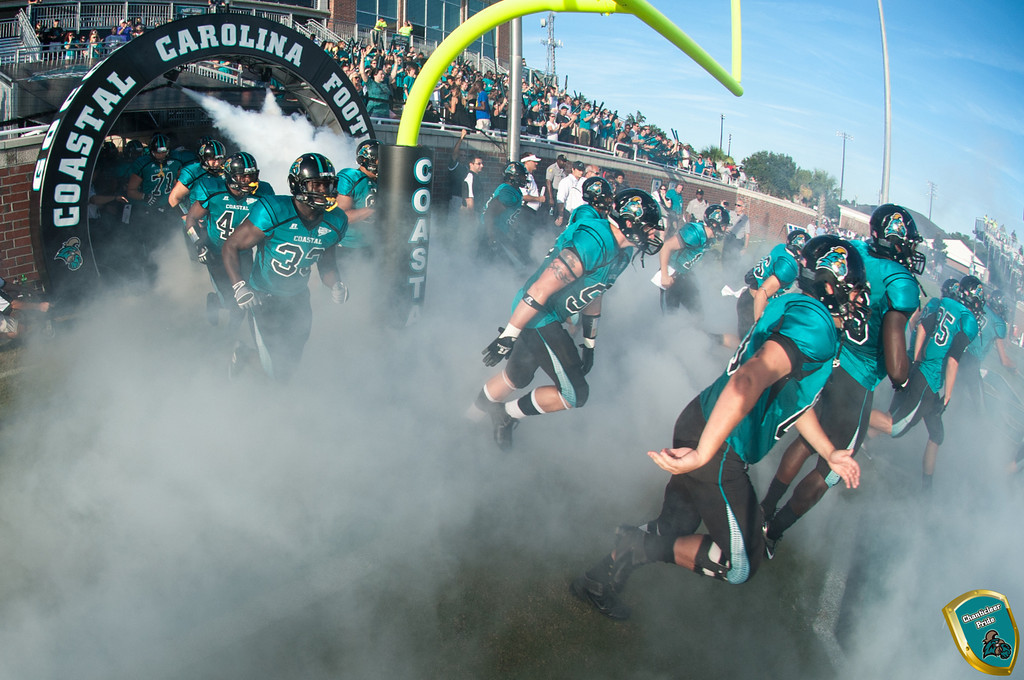
    Size is a factor on whether a university contains a collegiate football program; Coastal Carolina located in Conway, South Carolina recently added a collegiate football program and revamped their stadium in 2003. Compared to UNCW, Coastal Carolina has similar faculty/staff to student ratio, location (distance to local beaches and cities), and similar student enrollment. Bottom line, the main difference between UNCW and CCU- school spirit. Does a university with a collegiate football program contain greater school spirit? According to USA Todayschool spirit within the student body is greater at a university that contains collegiate football. This sport helps to unify the student body unlike any other collegiate programs at universities.

    JLG1838-XL

    http://www.coastal.edu/athletics/form/

    But, does a football program align with UNCW’s brand image? We believe the answer to that question would be no. UNCW encompasses a laid-back, chill, and relaxed atmosphere. Our image is centered around the hype of Wrightsville Beach, rather than tailgating football games. UNCW’s image is reflected to its audiences as a stress-free university and town, and the idea of joining a mellow student body attracts prospective students. Part of what facilitates UNCW’s relaxed and personable image, is the small class sizes and opportunities for hands-on applied learning. If the university shifted its focus from academics to athletics, the financial strain would likely cause a greater faculty/staff to student ratio. This would affect UNCW’s brand image, as the key ingredient that helps build the brand would not be as strong. Are we willing to give up one of the aspects that differentiates UNCW from its competitors? A part of UNCW that provides an academic advantage to our students for the addition of a collegiate football program, making UNCW similar to other North Carolina universities?

    All factors aside, the real question lies with whether students desire a collegiate football program. A good researcher does their homework and we spoke to 10 students to get to the bottom of this matter. A large chunk of the student body opposed having a football team, citing it changed UNCW’s brand image. Of the students surveyed, 65% supported a team, 25% opposed, and 10% was neutral. We did find those who supported a UNCW football program were very passionate. Those students felt football would bring the student populace together. The main sticking points are location and money. However, all obstacles can be reduced if the student population united their efforts. As a UNCW student, is a collegiate football program worth the money? Are you willing to change UNCW’s brand image, evolving UNCW into something more?

    -Jonathan Callahan, Erin Fouhy, Julia George, Joseph Hines, and Sarah Suggs

  • Are you ready for some football? Tom Brady is!

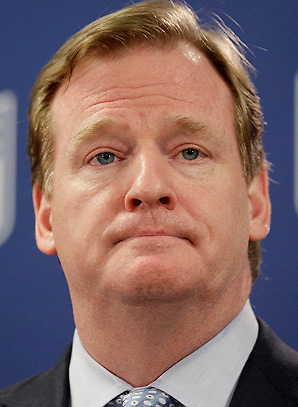
    With the NFL’s first regular season game on Thursday, sports fan across the nation anticipate returning to their fantasy football leagues, their favorite team’s bar, or even just their living room couches every Sunday to watch professional football. The NFL will dominate the American sports and entertainment industry for the next seven months, especially the TV ratings, and will continue to rake in a massive financial profit. As the NFL and its fans prepare for the new season, they continue to deal with incidents from last season and question if the commissioner of the NFL, Roger Goodell, will be able to retain his position much longer.

    The NFL has been involved with a plethora of negative PR instances in recent years and the organization does not always handle these situations appropriately, which only leads to backlash from the various publics and football community. Commissioner Roger Goodell’s decision to suspend New England Patriot’s quarterback, Tom Brady, for four games at the start of this season was overturned last Thursday by Judge Richard Berman. Tom Brady’s suspension was over the highly publicized “Deflategate” scandal, concerning his potential involvement in the incident that occurred before the Patriots win over the Seahawks earlier this year in Super Bowl XLIX. After the federal judge’s decision to overturn the suspension, the NFL is once again in a terrible position as the season is about to get under way and as reporter Bob Kravitz put it, “leaves the NFL with ‘egg on their face’”.

    It is clear that Commissioner Goodell picked the wrong fight with NFL poster-boy, four-time Super Bowl champion Tom Brady and there are few actions the current commissioner can take to rebuild his image. He has already lost the trust of players, has a dreadful win-loss record in court, has displayed awful values of the NFL, and lost his credibility. For example, Ray Rice was initially only suspended two games for punching a woman, a charge much more serious than a couple footballs being slightly deflated. However, the NFL ultimately suspended him indefinitely, which was eventually overturned in court through an appeal by Rice.

    In addition to Ray Rice, Adrian Peterson, Greg Hardy, CJ Spillman, Ray McDonald, and even Jameis Winston are no longer just incidents dealing with violence or domestic abuse. These negative occurrences are all actively shaping the NFL community and the image that the NFL portrays. It tends to show that the NFL does not maintain outstanding values and they prioritize morals a bit differently from the American public. All of the players previously mentioned are all still eligible to play in the NFL at this current moment, yet Tom Brady was nearly suspended for four games for his knowledge of footballs being deflated, making one question the values of the NFL even more intently.

    Following the Ray Rice incident last year, polls showed that the American public was already calling for his resignation. If Goodell is to maintain his role as commissioner and face of the organization for the foreseeable future, he needs to try to recreate his image since it is viewed so negatively. He needs to speak openly about the instance, consider relinquishing his disciplinary rule, hold a press conference, or use the NFL’s PR department to the best of their ability. As the rest of American society prepares for what is the highly coveted and entertaining NFL season, the NFL organization will attempt to wipe some of the ‘egg off their face’ that the Deflategate deliberation left on.

    – Griffin Weidele, Austin Moody, Luci Keefer, Allen Wooten, Scott Uraro

  • NFL Image Takes a Tackle

    NFL Image Takes a Tackle

    One of the hot topics recently hitting the media today has been the news surrounding Ray Rice and the Baltimore Ravens. This story has created turmoil and conflict when regarding the NFL’s image but more specifically Roger Goodell’s image. Back when the news first broke about Rice supposedly hitting his now wife, the NFL responded with little punishment due to the fact that there was no proof.

    Recently, TMZ has released video footage of the incident, which resulted in Rice’s suspension. The biggest question that has came to surface was whether or not the NFL knew about the video before it was released to the public. Goodell and Baltimore Ravens coach, John Harbaugh, responded saying that they had no prior knowledge of this video.

    Video contains violence, discretion advised (http://www.tmz.com/2014/09/08/ray-rice-elevator-knockout-fiancee-takes-crushing-punch-video/)

    Now the Associated Press has released a statement and a voicemail that proves the video was sent to the NFL back in April. So what does this mean for the NFL and the NFL commissioner? The image of Roger Goodell is quickly declining, due to his unresponsiveness to the issue.

    In an organization as large as the NFL, the commissioner works as a sort of mouthpiece for the entire entity. He doesn’t just speak for himself; he also speaks as the NFL. This personification of the entire organization makes the choices of one man represent the image at large. This is why Goodell’s actions are so detrimental to the NFL’s entire brand image.

    This topic perfectly blends together with Marshall McLuhan’s theory of Media Ecology. According to Griffin (2011) this surrounds the idea that technology not only influences our society as a whole, but that also how media and communication practices shape and affect human perceptions and understanding of human affairs. The video of Ray Rice that went viral into our social media world, shaped our insight and intuition of how the NFL and Roger Goodell handle its organization, and certainly affects out external interpretation of the NFL’s image.

    -Hannah Zeskind, Connor Gold, Margaret Cafasso, Kierstin Geary, and Olivia Sadler