Blog

  • Social Media Influences Eating Preferences: So Let’s Promote Healthy Eating

    Social Media Influences Eating Preferences: So Let’s Promote Healthy Eating

    How often are you scrolling through social media and you see a picture or a video of a burger with fries, chili, cheese and all the amazing toppings? When you see the photo, you get that feeling in your stomach, suddenly you are hungry, you want a burger and nothing else will fill that craving. Now do you have this same reaction when you see a salad; just a regular house salad with ranch dressing? Yeah, not as exciting as the burger. Now what if you saw a bowl of jerk chicken on top of quinoa and veggies, that would satisfy your hunger but also be a whole lot healthier than that burger. Social media influences eating preferences, especially in Millennials.

    Marketing influences people’s choices on what to eat, especially in adolescents. Qutteina et al (2019) completed research as to how media increases the consumption of fried food and other foods that are referred to as non-core foods. In the study, non-core foods are described as being “associated with a range of chronic disorders and diseases” (Qutteina et al. 2019). Non-core foods are anything that does not fit into the main five core food groups or don’t have high values of any of these; vegetables, fruits, grains, protein, and dairy. How often do you see advertisement for food that would be considered healthy and consisting of all the five core food groups? Now think back to my question I asked at the beginning of this blog post; how often do you see food like that and actually get it? It happens to the best of us – we see something that looks good, but we know it’s unhealthy. It is either marketed well or we see it just enough times to where we want it, so we finally cave and get it. I know that the targeted advertisements that I get on my Instagram or the notifications that pop up on my phone from Domino’s can be very convincing.

    Social media can be helpful and inspire people to eat healthier, but at the same time it can be very unhealthy too and inspire binge eating or unhealthy eating. I personally see at least two photos a day of a stereotypical “healthy” meal but it looks delicious. Normally when people think of eating healthy a bland salad comes to mind, but social media does a good job at portraying healthy food as very intriguing. I believe that media accounts do a good job at marketing healthy food but there is always room for improvement. When it comes to unhealthy eating being promoted I can think of many examples. I can tell you about the countless times I have been scrolling through social media and I see a photo of a “mukbang” which is a giant meal that consists over 2000 calories; it can be anything from an entire fast food menu to eating one particular meal in one giant course. This is promoting unhealthy lifestyles because a mukbang is where you consume a large amount of food in one sitting. I can’t tell you about the countless times I have been scrolling through my social media profiles and I’ve come across people my age eating what looks delicious, but I know it isn’t healthy. However, it looks so good in the photo or video that I can’t stop thinking about it. Before I know it, I end up ordering something very similar, and each time this happens it is because I was just influenced by someone I don’t even know.

    Peer to peer social media influence (friends, acquaintances) can have more of an impact than influencers. I know personally my friends always have an impact on where I eat if I am eating with them. Also a lot of influencers don’t live in Wilmington, North Carolina, so when I see a influencer who lives in LA the chances of me getting the same food she is posting is very slim, but the chance of me getting the same meal from a local restaurant that someone posted on their Instagram story – that’s a lot more likely.

    This article is important because it’s about how to promote healthy eating among adolescents. It is really hard to promote healthy food sometimes when there is such a negative mindset surrounding it. When I asked my friends to tell me the first healthy food, they could think of all of them said some sort of vegetable. But there are so many other foods that are delicious, healthy, and aesthetically pleasing. For example, smoothie bowls have become an internet sensation and they are very healthy depending on what you put in them. Almost everything is promoted online nowadays through social media, especially with COVID-19 people are marketing through popular apps like Instagram, Tik Tok, and many more. Next time you go on social media for #FoodieFriday take a couple extra seconds to think about if the food that’s getting promoted is healthy for you and your body.

    References:

    Qutteina,Y & Hallez, L & Mennes, N & De Backer, C & Smitz, T (2019) What Do Adolescents See on Social Media? A Diary Study of Food Marketing Images on Social Media, Vol. 10.

    Written by Alexis Jones. You can learn more about Alexis and our other blogwriters by clicking the “Our Team” banner at the top!

  • Turning Clicks into Cash

    Turning Clicks into Cash

    Why Embracing Social Media is the Best Marketing Decision for Your Small Business

    $612.92 million. That is how much tourists spent in New Hanover County during the summer of 2018 according to the data collected by Visit NC. With our beautiful beaches, the historic NC Battleship, our charming downtown area, the Fort Fisher Aquarium, and the amount of film and TV content that has been shot here, it’s no wonder that Wilmington rakes in the cash during tourist season. This is great news for those in the local tourism industry. However, if your small business doesn’t seem to be getting a slice of the pie, it doesn’t mean it’s time to close up shop; you might simply be missing the attention because your business isn’t being advertised properly.

    There are many ways you can market your business, such as through TV commercials, ads in travel magazines, or radio spots. However, with these forms of advertising you’ll find that they can be expensive, difficult to access when competing with national brands, and that they just aren’t as successful with reaching consumers like they used to (Garry Wei-Han Tan, et al). But don’t lose hope, you still have another option; social media advertising. While this avenue may seem daunting, it is the best way to market your small business in this day and age.

    Modern

    From your neighbor to your hairdresser, nearly everyone and everything is online now. While there is a bit of a learning curve to figuring out what times are the best to post content or the proper use of slang in your captions, it is fairly simple to figure out. And even if it takes a little bit to get the hang of it, the amount of eyes you will be able to reach once you start using social media ads makes it worth it. After you look up a few tutorials and have a friend who is seasoned user show you the ropes, you’ll be a pro.

    Since there are so many people online, there are certain things you have think about in order to reach only those who you want to. One of these things is location; there’s no need to spend money to reach viewers at home in California when you have tourists nearby wondering what they should do while in town. This means combining technological resources with what you know about Wilmington in order to engage with your audience. Some ideas are to work with Airbnb hosts in the area to have your business pop up on a guest’s Instagram when they are on location or have the host include a QR code for your Facebook page in their Welcome booklet, purchase ads on apps like OpenTable or Resy where hungry tourists can snag a spot at your restaurant, or do exciting things with your company that will have local bloggers for encore or WilmingtonN.C. to write about. In order to have people view your new platform, you might have to put your business right in front of them.

    Cheaper

    Social Media advertising is much more cost-effective than traditional marketing. To start, nearly all of the top social media apps are free, and creating a profile is also free. Once your profile is made and you’re ready to start purchasing ads, you’ll find that the price for social media marketing is usually much less than standard ad formats. For instance, you could spend on average $200-$5,000 per week for a radio ad, and that isn’t even taking into account the production costs for making the spot. In comparison, if you were to spend the bare minimum of $250 for an ad on Spotify radio, which includes the production cost since you make your voiceover through the app, you would reach 11,ooo listeners right there.

    Another possible cost comes with design; having professional, clean looking posts is important for reaching a virtual audience, especially if they align with your overall page aesthetic. In order to do this, you either need someone skilled in graphic design or access to graphic design templates. For the former, you would have to pay them for creating these posts and managing the various social media pages. Or you can teach yourself in graphic design software, either through free or paid online training depending on how comfortable you are already. For the latter, you would have to find online services that provide design templates, and while some of these websites are free, you would get more variety and the freedom to customize if you went with the paid versions. One example is Canva, a graphic design server with tens of thousands of templates, and for less than $10 a month you get access to all of them.

    Interactive

    Not only can social media ads reach your potential consumers, but they can also directly guide them to your profile or website where they can immediately learn more about you with one click. They can then like, comment, and share your content (which is a form of marketing in itself), as well as make a purchase or appointment right on their phone. This is also provides the opportunity to connect with your target audience by responding to comments or sending a message of gratitude for a purchase. What’s more, if you keep up with the social media interaction year-round, then you can encourage your consumers to visit Wilmington again or even have your product delivered to right to them, which could provide business during the off-season depending on your company. Some good ways to boost interaction on your page is to come up with virtual contests, throw giveaways, or work with another business through a cosponsorship.

    Another aspect of interactivity is how easy it is to find and/or experience your service through your online platform. If your menu is difficult to read on your profile or the tour booking process is complicated, it decreases the chance of your consumer following through on their purchase. This means putting in the extra effort to have your different add-ons and links work seamlessly; all of this content needs to be able to work on a phone, tablet, laptop, etc. easily. It is worth it in the end when your customers can quickly and simply interact with your social media without any struggle.

    Personal

    When it comes to social media content, the possibilities are truly endless. This allows for more creativity and freedom to show what the purpose of your business really is. When creating your profile and the content that you share on it, you implement certain visuals or themes to represent your brand. You can then make social media ads that go along with the overall aesthetic of your business, which can be an effortless way to peak someone’s interest. This also adds a personal touch to your ads, as well as your profile. Since social media interactivity was brought up before, when you directly handle a customer’s issue that they commented, or tag the account of the winner of a social media giveaway, you are creating a positive connection with that person. This could not only make them more inclined to go through your business for a certain product or service, but it could also interest other people who see this interactivity online and want to be apart of it too – which means more consumers interacting with your brand.

    Don’t miss out on next season’s tourist crowd; utilize the technology we have available to us now for your benefit. Within no time, your small business will be reaching new customers and thriving in the world of social media.

    References:

    Tan, G. W.-H., Lee, V.-H., Hew, J.-J., Ooi, K.-B., & Wong, L.-W. (2018). The interactive mobile social media advertising: An imminent approach to advertise tourism products and services? Telematics and Informatics, 35(8), 2270–2288. https://doi.org/10.1016/j.tele.2018.09.005

    Written by Emma D’Anjolell. You can learn more about Emma and our other blogwriters by clicking the “Our Team” banner at the top!

  • Social Media and e-WOM

    Social Media and e-WOM

    Disney, Coca-Cola, Nike, Adidas. How do they all relate? They relate through the idea of an everlasting brand. Some brands reach a point of affinity that will likely last forever. But how is this everlasting presence achieved? How is it maintained? The answer lay within the realm of “word of mouth” marketing, “WOM” for short, and its 21st century offspring e-WOM “electronic word of mouth” marketing.

    The idea of word of mouth marketing has existed as long as the creation of civilization. But the thought of it being something other than verbal communication was unheard of until the brilliant innovations created in the 20th century. When televisions and radios became common household goods, there was a shift in the way messages could be sent and received. We no longer only hear of the experiences that close friends and relatives have with certain products. Now we can hear testimonies from strangers who have tried and evaluated a product, giving their honest opinions on the practicality of products and services. We have discovered e-WOM.

    Moving forward into the 21st century with the creation of Facebook, Instagram, SnapChat and dozens more social media platforms, we see an integrated world no longer limited by spotty reception and postal shipping times. We are seeing communication happening constantly with individuals who are all over the world. Now we see electronic word of mouth marketing really take flight.

    Social media e-WOM has been linked to higher customer purchase intentions than advertisements have, “e-WOM is positively related to purchase intentions and has a greater effect on purchase intentions than ads” (POTURAK, 2019). Lending itself to the idea that whether positive or negative, e-WOM can directly influence the purchasing choices of consumers more directly than traditional advertising. This is an interesting phenomena and is largely attributed to the perspective that consumers trust the opinions of their peers and will make decisions based off of their input and experiences.

    When reviewing large brands such as Nike and Adidas multiple aspects of word of mouth marketing play roles. Brand equity, brand awareness, and brand association are all varying but important positions to observe as marketer and purchaser. “Brand equity gives value to the firm by increasing the effectiveness of marketing programs. The components of brand equity allow a firm to develop a competitive advantage over other players. Ultimately that leads to higher price earnings ratios and enhanced shareholder value, achieved because of brand loyalty of customers” (Padhy & Sawlikar, 2018). Having a trustworthy and quality motivated business model is effective in reaching and maintaining loyal customers. Having a clean trustworthy perception in the minds of the consumer grows lasting and loyal customers.

    Brand awareness plays into the relevance of brand equity defined as; “the ability of the potential buyer to recognize and recall that a brand is a member of a certain product category”(Aaker, 1991). When buying athletic shoes we look for Nike, they know that we know, they are the ones creating great athletic products. Brand association follows similar footsteps, basically linking memory to a brand. When you were a kid and played sports you bought the Nike athletic shoes, now you are buying them for your child because those are the ones you remember liking the best.

    So when reviewing firm generated WOM content (content created by the brand in interest for the brand) and user generated WOM content (content created by the consumer in reflection of the brand) is there a correlation in the efficiency at which these mediums attract or distract potential clients?

    Firm generated content has high reciprocal of appreciation from already loyal customers and fans. Individuals who are already purchasers of a brand’s product are much more likely to agree and spread brand content that they find resonating with their self-interests. The issues I foresee with firm generated content is that all the content feels like an advertisement. When viewing social media content I am likely to scroll over any post that says “sponsored” because I do not wish to be coerced into purchasing something.

    When reviewing user generated content it seems much more likely to persuade or change one’s mind, especially when the post is not a sponsored message. When participating on social media I find it interesting to listen to other persons who have experience with a particular product or brand. These reviews are often genuine and accurate to what they have experienced. I would say that user generated content is much more likely to bring new clientele and create loyal customers, largely because the message doesn’t feel like an ad even if it is discussing a product.

    In efforts of producing more e-WOM for the brand we may consider two simple approaches to facilitate this dialogue. First, brands might consider making comments on competitors posts, bringing attention to themselves and opening discussion between rival supporters and potentially swaying some opinions over to their side. Second, brands may consider donating to or sponsoring a nonprofit organization on social media that is in an entirely different product or service area than themselves. This raises brand awareness and shows the good intentions of the brand bringing in consumer appreciation.

    In conclusion social media e-WOM has proven to be a useful catalyst for consumer penetration in the digital age. Firm generated content spreads brand equity and directly translates the brands interests and direction of change. Providing a firsthand look at how the brand is progressing and adapting to environmental change and pressures. User generated content expands the brands awareness among consumers, allowing unique growth towards thoughts and perceptions of the brands image and relevance to probability of consumption. Both areas facilitate the brands interest and promote the consumption and awareness of their products.

    References:

    POTURAK, M., SOFTIĆ, S., & International Burch University. (2019). Influence of social media content on consumer purchase intention: Mediation effect of brand equity. Eurasian Journal of Business and Economics, 12(23), 17-43. doi:10.17015/ejbe.2019.023.02

    Written by Sam Childers. You can learn more about Sam and our other blogwriters by clicking the “Our Team” banner at the top!

  • Social Media Brings Brand Success

    Social Media Brings Brand Success

    Social media has ​become the center of attention. People come to connect with friends and share their lives, while companies create accounts to promote, maintain relationships, and cultivate brand awareness. More specifically, they want to improve the customer’s experience, perception, knowledge, and probability of purchasing. In the article, ​Social media in marketing: A review and analysis of the existing literature​, Duffett discussed that the efficiency of a social media campaign depends on how the consumer perceived the content, and the attitude that the content cultivated in the consumer. ​​With this being said, it’s important for brands to ​promote​ in a way that influences their audience to make a positive opinion of them. Companies need to spread knowledge, inspiration, and value to their audience and potential customers.

    Customer Relationship Management

    A good first step to creating a positive reputation for a company is being consistent with customer relationship management (CRM). Companies that communicate well and maintain relationships will make their audience feel valued and important. In return, their reputation ​will be seen as caring and customer focused. Reputation can make or break a brand, so it’s essential to maintaining this practice. Thankfully, customer relationship management is easier than ever through online platforms where brands are able to get in touch with their audience at any time of day in a variety of ways.

    Social media can be a great tool that allows a brand to create a deeper connection with its audience and target it’s ideal consumer. But to make it effective and beneficial, brands have to be able to choose the right platforms to use. To understand which platforms will perform best for a brand, the company needs to know who their target audience is and make themselves aware of their target market’s preference in social media platforms to receive the best outcome. This is an essential step because certain social media platforms can attract different demographics, therefore choosing the right platform will help a brand communicate the most efficiently. To put this in perspective, there is a very different demographic from Facebook users versus Tik Tok users. There have been various studies conducted through different social media platforms that examined demographic factors (like age and gender) and its effect on the customers’ orientation toward commercial activities. From these studies, it was concluded that women are more likely to have a favorable attitude toward an ad on Facebook. It was also understood that women used Facebook and Twitter as their main source of information in regards to their purchasing behavior. Additionally, younger people, whose ages range between 19 to 24 years old, are more likely to have positive attitudes toward social media ads.

    Branding and Reputation

    As previously mentioned, a company’s reputation is extremely important to their success. The impression that a brand leaves on its audience affects their potential customers’ trust which, in turn, reflects on the customers’ brand loyalty. So again, sharing those brand values and genuine stories will bring a positive impact upon potential customers because they get to see the human side to a business. People want to support people with good values, and customers want to feel valued in return. But, branding isn’t only done with words, but visuals as well. ​De Vries conducted a study that analyzed 355 posts shared by eleven separate brands that produced six different types of products. In this study, it was concluded that the post’s vividness, position, and interactivity had a large influence on the consumer’s opinion of the product and brand. With that said, social media posts should be consistent with a similar look. This can be achieved by using the same colors, fonts, and photo editing. Aesthetics are the first thing that people notice about a post, especially on platforms like Instagram and Facebook, so they need to be eye capturing and interesting at first glance.

    Online Advertising

    Lastly, social media is a multi-billion dollar business for advertising. Since there is so much competition with social media advertising, companies really need to be careful and strategic with their execution. Essentially, more advertising will bring in higher sales numbers but there’s also a downside that may come along with that. When companies decide to advertise, they create ads that interrupt the consumer’s social media time and experience. When this happens, potential customers may create a negative association with the brand. So, with excessive advertising,companies may get more immediate sales but receive a negative brand perception in return. To avoid this, brands need to make sure that they are marketing in a way that the consumers don’t feel like they are watching an ad, or like they are being pressured to buy a product. Companies should be promoting their products in a way that makes potential customers feel like they ​need that product. Additionally, companies need to be reaching out to the correct target market. For example, ​​Bannister conducted a study that considered USA students’ attitudes to Facebook’s advertising​. ​It was concluded that perceptions were primarily negative because the advertisements were not closely related to the customers’ requirements and information. From that, we learned that students are more likely to ignore advertisements because their purchasing decisions are not reflected by the Facebook advertisements. To conclude, this study reaffirms the fact that social media can be a great tool, but it has to be used correctly for it to be beneficial to a company.

    References:

    Alalwan, A. Et al. (2017, May 25). Social media in marketing: A review and analysis of the existing literature. Retrieved September 14, 2020, fromhttps://www-sciencedirect-com.liblink.uncw.edu/science/article/pii/S0736585317301077

    Written by Carmen Reynolds. You can learn more about Carmen and our other blogwriters by clicking the “Our Team” banner at the top!

  • How to Create Content for your Business with Limited Resources

    How to Create Content for your Business with Limited Resources

    Marketing is an inseparable part of business. While traditional media is still useful, digital media has permanently placed itself at the forefront of marketing, with social media as the spearhead. These days, social media can make or break an organization’s marketing strategy. Luckily, the advent of the internet has provided a level playing field between small, medium, and large organizations to reach their audience. But while everyone may have the same tools, small and medium-sized enterprises (SMEs) face unique challenges when it comes to utilizing social media’s full potential for content creation.

    Large organizations typically have a substantial number of resources to devote to social media marketing in the form of large budgets, more employees, and more time to create social media content. Since SMEs do not possess those resources in the same quantities, they must find ways to make up for their limited resources when creating content for social media marketing. A 2019 study titled “Content is King: How SMEs Create Content for Social Media Marketing UnderLimited Resources” revealed which specific social media marketing challenges SMEs face as well as provided guidance for how to overcome this weakness.

    One of the major resources that limited SME’s content creation potential is time. More often than not, SME owners are the ones in charge of social media marketing, and have to create content all by themselves on top of running their business as SMEs operate with few employees, and even fewer whose role is to conduct social media marketing. The study found that SME owners barely have enough time to create and publish entertaining content on a regular schedule. Two of theSME owners that were interviewed spoke about how they originally set goals for posting social media content of once every week or once every other week but quickly discovered that all of their other more pressing duties as SME owners meant that they had no time for content creation.

    Despite SMEs having limited time to plan, create, and publish social media content, SME owners have found alternative ways to offload the burden from themselves while still maintaining a regular content creation schedule. One way SMEs can save time is by simply knowing who their target audience is. Of the SME owners interviewed for this study, 75% had a general understanding of their target audience based on the age, gender, or social status of their customers. With this general knowledge, SME owners could create content tailored to a more specific group of people than trying to appease everyone at once.

    Social media platforms also offer support tools that help SMEs gather information about their target audience. For example, one SME owner mentioned Facebook Insights as an invaluable resource for statistics on when exactly their target group is typically online so they know when they should post. Despite how useful support tools like Facebook Insights are, only a handful of the SME owners who were interviewed even knew about them, let alone used them, even though the insights gained by these tools support the regular creation of content by cutting out time needed to plan posts.

    The second major restriction that SMEs face for social media marketing is an overall lack of knowledge. The vast majority of SME owners aren’t social media marketing gurus, and this study found that SME’s most often have issues with knowing how to actively engage with customers and how to create entertaining content. Of the SMEs studied, 75% said they were insecure about how to correctly involve their customers in their social media marketing, and noted missteps of theirs in which they do not know what they did wrong. SMEs also have trouble with finding inspiration for their content, struggling with writing content in a tone that is not too colloquial but also not too formal, or writing content that they think would be too boring to their customers.

    Luckily, when it comes to engaging customers over social media, there are plenty of tried-and-true methods to have an SME’s followers engage with their content. The study found that incentivizing customers through giveaways and prizes had immense success, even having a large amount of reach which drew in new customers. Other SMEs said that they gave out small prizes to customers who provided feedback. Asking followers to tag their friends in a post is also a good way to have them engage with posts, and possibly introduce new customers to their SME.Asking followers to tag their business in their posts also helps build a community around SMEs and can be used in other social media posts.

    When it comes to creating entertaining social media content, SMEs noted that a certain standard of quality must be met for all of their posts. SME owners religiously spellcheck their posts, and make sure that the pictures they use are of high quality, communicate something about their business, or are entertaining to their target audience, typically via humor. SMEs also highly consider their style of writing when creating content, though this varies based on what kind of business it is and what kind of target audience they are trying to reach. One said that they try to write in a modern, young way with a second person style while another said that they write in a personal and friendly way, talking directly to their followers. Due to the nature of social media, SMEs try to keep their posts to as few words as possible, and never over 500. Emojis are especially useful to help garner attention to their posts while using few words

    Social media is an indispensable resource for SMEs, and knowing how to use planning time efficiently and what kinds of posts work best on social media is integral to a successful social media marketing strategy, allowing them to punch above their weight and compete with larger organizations without spending thousands of dollars. By implementing these tips, and with a bit of trial and error, SMEs can sidestep their resource limitations and maximize their marketing potential

    References:

    Kraus, S., Gast, J., Schleich, M., Jones, P., & Ritter, M. (2019). Content is King: How SMEs Create Content for Social Media Marketing Under Limited Resources. Journal of Macromarketing, 39(4), 415–430. https://doi.org/10.1177/0276146719882746

    Written by Ryan Moody. You can learn more about Ryan and our other blogwriters by clicking the “Our Team” banner at the top!

  • Trust is Key in IMC

    Trust is Key in IMC

    In our modern world, nearly every company uses social media to promote themselves to potential employees, investors, and clients. It is important for your company’s brand identity to have a positive presence on all platforms. This also applies to the individuals within the company, including you; the content that is shared on personal accounts represents not only the employee, but the company as well. The way we use social media in a work environment can also affect a team of employees by encouraging the development of deeper communication levels, the sharing of knowledge, and establishing trust. With this new world of social media quickly growing because of COVID-19, students preparing to enter the workforce need to learn how their social media habits can help, or hinder, their future work environment.

    According to a study conducted in 2015, “researchers have argued that by developing preliminary trust, employees can establish connections with one another that can facilitate knowledge sharing over time”. In this study, Ellison suggested that throughout a period of time, the more trust an individual gains with their coworkers, the more information they will willingly share with each other. Trust plays a key role in the work environment, especially in a team role. A lack of trust in a team can lead to miscommunication, stale workplace relationships, and goals not being met. This can then negatively affect the company overall. To prevent this, start establishing those workplace relationships early on. This can be done face-to-face or through social media, however, you might find out more the team member by looking at what content they have shared on their page; do you both like the same bands, or hate the same sports team? Whatever it is, find something to connect with them about, and then connect! It’s a simple start, but that could be the first step towards creating a base level of trust between you and a coworker. After that, you can maintain that relationship with references towards things you both have in common, sending memes that you think they would enjoy, or even with just checking on how they are doing. These efforts will be worth it when your team is willingly sharing important information with each other and your company is thriving.

    Why it’s Okay to Trust Your Gut

    You were able to use social media as a tool to grow and maintain your workplace relationships, nicely done! You now have fair amount of trust between you and your team. However, while you should always feel trust within your work environment, you should also keep in mind that these relationships are still based in a professional setting; the information you share with your team, your boss, or even on your public profile still needs to represent the right image. Employees have raised concerns about management looking at their social media posts, the occasional “jokes” that go too far, and the inappropriate social media sharing. When you share content within your work environment or on your private social media pages that could be deemed inappropriate or hurtful, the Ellison says that “management can discourage the knowledge that you have shared”. Now you can still be sociable in your work environment; you just have to make sure that the content you are sharing is suitable for the setting and for the image you want to represent. According to Ellison, the key is to “..keep your work connections on a trust level to just share appropriate knowledge within your work environment”, and not sharing content that exceeds this relationship level. This means thinking about how the content could affect you and the company BEFORE sending a petty message into the water-cooler groupchat or posting an inappropriate joke on your Twitter. If you are even slightly unsure of the content you were prepared to share, then should err on the side of caution. Trust your gut and don’t post anything unless you are 100% confident.

    Lastly, always keep in mind that you are constantly promoting your personal brand even after you received your job. As graduation is quickly approaching, make sure the information you are sharing about yourself and your life is beneficial to the image you want others to see. Trust is created by being social, but remember, there’s different definitions of social based off of the setting; the way you represent yourself at work is very different than how you are with friends and family. As long as you keep in mind which setting you are in and the information you are sharing in each, you should have no problem being the representing your company and individual brand, whether in person or on social media.

    References:

    Neeley, T. B., & Leonardi, P. M. (2017). Enacting Knowledge Strategy Through Social Media: Passable Trust and the Paradox of Non-Work Interactions. Strategic Management Journal 39(3). Retrieved October 23, 2020, from https://www.researchgate.net/publication/321379249_Enacting_Knowledge_Strategy_Through_Social_Media_Passable_Trust_and_The_Paradox_of_Non-Work_Interactions

    Written by Grayson Burnett. You can learn more about Grayson and our other blogwriters by clicking the “Our Team” banner at the top!
  • Social Media Branding: Tips to Build and Strengthen Your Brand Image

    Social Media Branding: Tips to Build and Strengthen Your Brand Image

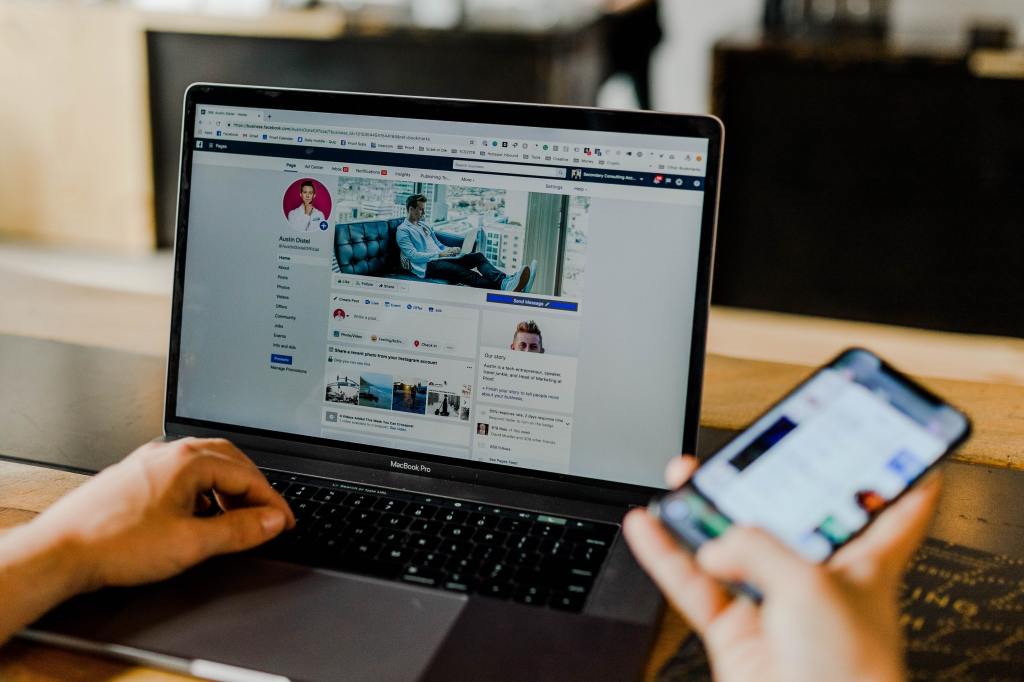
    Looking to improve your brand image on social media? Having a consistent social media presence is key to building and strengthening a brand image. Social media is one of the best tools to influence a customer’s experience and attitude toward the brand. It can be one of the fastest and most personal ways of interacting with a customer in real time.

    According to a study conducted in 2018, “brand image is categorized by customer brand perception. The goal of strategic work with the image of the brand is to make sure customers have strong and decisive associations with a specific brand in their minds” (Bacik et al., 2018). In this study, Bacik et al. analyzed the relationship between six factors that affect branding in social media and the customer experience with the brand. These six factors included “the regularity and relevancy of the content added, the appropriate form of SM communication, visual presentation, publication at a particular time, and the use of social media mix” (Bacik et al., 2018). After determining that all of the above factors are of influence, relevancy of content was arguably among the most important. Building a good brand image and customer base can take years, but here are a few tips on how you can go about maintaining and keeping a successful brand image.

    Specify your target audience

    Social media branding can be target audience-specific and your content can easily reach individuals who are interested in your brand. “Social media tools are truly capable of selecting people according to the target criteria of a variety of demographic species, activities, interests, etc.” (Bacik et al., 2018). Being able to define your target audience can be a great way to make sure the content you are creating is relevant to your given audience. Something as simple as researching your target market and finding out what platforms they use on social media can help get your brand in front of someone who may be interested in it.

    Publish relevant and consistent content

    Social media activity needs to be stable and consistent, while also remaining relevant. Publishing irrelevant content can result in a negative brand image. Customers may view your brand as flaky and unreliable if your posts don’t fit your brand and seem out of place. According to Bacik et al. (2018), “content must be relevant to the target audience, the audience must be interested in it, and it must have an added value”. It is also important that content is not only consistent on one platform but across all platforms your brand is present. Also, make sure to keep in mind the timing of posts. Knowing what is going on in current events can be helpful to keep posts from being viewed as insensitive or sending the wrong message at an inopportune time.

    Visual presentation is key

    People can make a quick decision about a brand within just a few seconds of viewing their online presence. Having an overly jumbled or boring appearance can make a lasting impact on a person’s brand perception. “For example, if we handle social media accounts in an indiscriminate and inconvenient way, a person does not even seek to find additional information even if that company could be the one with the solution he needs. If it does not interest him, he is immediately gone” (Bacik et al., 2018). Taking the time to make sure your content is clean, eye-catching, and represents your brand can help convey the image you want to a potential consumer. These strategies could include cleaning up your feed on Instagram, sticking with a consistent font or color theme throughout your posts, or having a nice profile image for your page.

    Communicate with your audience

    Communication with your audience is important. The customer’s experience with the brand online can influence brand loyalty. “Social media has the power to contribute to brand awareness in the online environment, including serving as the voice of a company that can communicate with the customer and create interaction, making the brand more accessible to existing and new customers” (Bacik et al., 2018). Experiences and interactions with your followers can reflect both positively and negatively on a brand image. It is necessary to make sure you are present and actively engaging with followers across all of your brand’s platforms equally. Having a platform and never posting content or engaging with followers could be viewed as unprofessional and reflect poorly on your brand image.

    The research conducted by Bacik et al. can help aid in the social media practices of the IMC practitioner. It points towards what is currently relevant and what audiences want to see from brands on social media. However, it is important to keep in mind that social media interaction is constantly adapting and changing with the world around us. Adapting IMC branding practices will be important to keep brands relevant as new technologies and platforms evolve. When starting a new brand, or even improving an old one, it will be useful to keep these tips in mind to be a successful brand manager on social media.

    References:

    Bacik, R., Fedorko, R., Nastisin, L. & Gavurova, B. (2018), “Factors of communication mix on social media and their role in forming customer experience and brand image”, Management & Marketing. Challenges for the Knowledge Society, Vol. 10, No. 2, pp. 1108-1118, DOI: 10.2478/mmcks-2018-0026

    Written by Holly Pearce. You can learn more about Holly and our other blogwriters by clicking the “Our Team” banner at the top!