Category: Media

  • How Do Brands Evaluate and Choose Social Media Influencers?

    In the short amount of time someone spends on YouTube, Instagram, or Facebook, there is a high chance that they have encountered a social media influencer promoting a product. How many times have you scrolled through your Instagram feed and seen someone promoting Care/Of Vitamins? Probably a lot. So, what really is a social media influencer? What qualifies a person to become a social media influencer? How do brands come into contact with the influencer? In Jan-Frederik Grave’s 2019 research article titled, “What KPIs Are Key? Evaluating Performance Metrics for Social Media Influencers” all of these questions are answered.


    According to Grave, there are two challenges that companies face when selecting a social media influencer: finding which social media influencer to work with and measuring the outcomes of the campaign. Fashion, health, beauty, entertainment and more are just a few of the various topics that social media influencers cover. Since there is a wide range of influencers for a company to choose from, they must rely on social media metrics to determine which influencer they would like to collaborate with.


    Key performance indicators (KPIs) are various metrics used by brand marketers and agencies when selecting a social media influencer for their brand, according to Grave. One KPI that might be used is the amount of interactions an influencer recieves on a post (comments, “likes”, “shares”, etc). Another KPI could be the amount of followers, subscribers, friends, etc. the influencer has on their social media channels.


    Grave explains that typical paid content on social media is created by the brand marketers themselves, which gives them more control of the overall message. However, social media influencers are given most of the control when it comes to creating the content for the brand. Although brand marketers provide the social media influencer with some tips to follow for the content, it is up to the influencer to create the content. Grave says this is why it is important for companies to choose an influencer whom they believe will create quality content with non-conflicting posts on their channels.

    Kate Scott is an undergraduate student at the University of North Carolina at Wilmington. She will be graduating in May 2020 with a B.A. in Communication Studies with a focus in Integrated Marketing Communication.


    References

    Gräve, J.-F. (2019). What KPIs Are Key? Evaluating Performance Metrics for Social Media Influencers. Social Media Society, 5(3), 205630511986547. doi: 10.1177/2056305119865475
     

  • THIS IS FAKE NEWS! NOPE… IT’S REAL

    Would you know fake news if you saw it? How often have you come across fake news during your time on social media? I’m betting more than once. Believe it or not, in the past few years, platforms created algorithms to reduce the amount of fake news flooding your stream. But how well has that worked?

    Hunt Allcott and others found specific trends in the diffusion of misinformation in social media. They gathered thousands of pieces of content and stories from over 100 fake news websites and their level of engagement with Facebook and Twitter and reviewed the trends of their diffusion from 2015 to 2018. Using various web trafficking methods such as BuzzSumo and Alexa, they reviewed the volume of user interactions and recorded browsing data. Yeah, they can do that.

    Allcott’s research also measured the outcomes for not only major sites, but small business and culture sites, and small news sites not identified as producing misinformation (Allcott, 2019). But those sites followed a stable trend in comparison to Facebook. Even so, some of the fake news sites also contain true news and clickbait to misleading content. Because of that reason, the researchers also compiled a list from Snopes.com that fact checked the content they deemed false. That gave them still a whopping 9,540 false stories! Later described in the article, the data could be misconstrued because of the sites these programs don’t account for.

    The amount of misinformation leading up to the 2016 election is alarming and fake news on social media is argued to play a major role in the results. Because of the increased volume of fake news, Facebook and other platforms created an algorithm to flag false content in order to prevent the spread of misinformation and improve its quality. The amount of decline within the past 2 years has suggested that Facebook’s algorithm may have something to do with it (Allcott, 2019). But, it’s nearly impossible to control the amount of misinformation people put out into the world.

    The results suggest that since the end of 2016, Facebook has had a decline in fake news since its peak while Twitter is still rising (Allcott, 2019). This change in the continuous rise after the election could have something to do with the President’s recent engagements on Twitter. The results from Facebook show relationship to major news and fake news sites engagement through the same periods of time. While Twitter engagements are on a continuous rise through the entire study due to the president’s active account and rising millenial use.

    This study seeks out to share the importance of knowing the decline is visible but the amount of misinformation still being consumed by viewers is large and alarming (Allcott, 2019). That’s mainly referring to Twitter and Facebook. Though Facebook’s fake news has declined from 160 million to 60 million engagements per month, the number is still high. And that’s just from one social media platform! Imagine the generations who get their news from major news sites that also carry false content not in this study. That just adds to the number of people exposed to things that can persuade one’s decisions.

    As communicators in the IMC world, it is our job to persuade and influence, however, in an ethical and approachable manner. Seeing this research has only solidified the fact that people are aware of the content put on social media. What is said online is shared and impacts society more than it seems. Allcott (2019) concludes that the diffusion of misinformation through social media is a potential threat to democracy and broader society. As a young generation of communication students, it is our responsibility to create content that is honest and thought-provoking in an ethical way.

    We remember the social media chaos that surrounded the 2016 Trump election but it makes you wonder about the effect a continuous amount of misinformation would have on a society and future elections. The research suggests there was a decline, however, there is still a problem. We, as marketers, need to keep in mind ethical values and the content we create and post- whether it be personal or business related. The fact is, on the internet, the information you share will be seen by someone out there, so don’t be fake, be real.

    Allcott, H., Gentzkow, M., & Yu, C. (2019). Trends in the diffusion of misinformation on

    social media. Research & Politics, 6(2), 205316801984855. doi: 10.1177/2053168019848554

    -Annie Cline

    Annie is happy to bring her creative writing skills into her studies with IMC. She has a passion for communication and cannot wait for graduation to put her skills into action in the real world.


  • And the Oscar Goes To…Advertising!

    And the Oscar Goes To…Advertising!

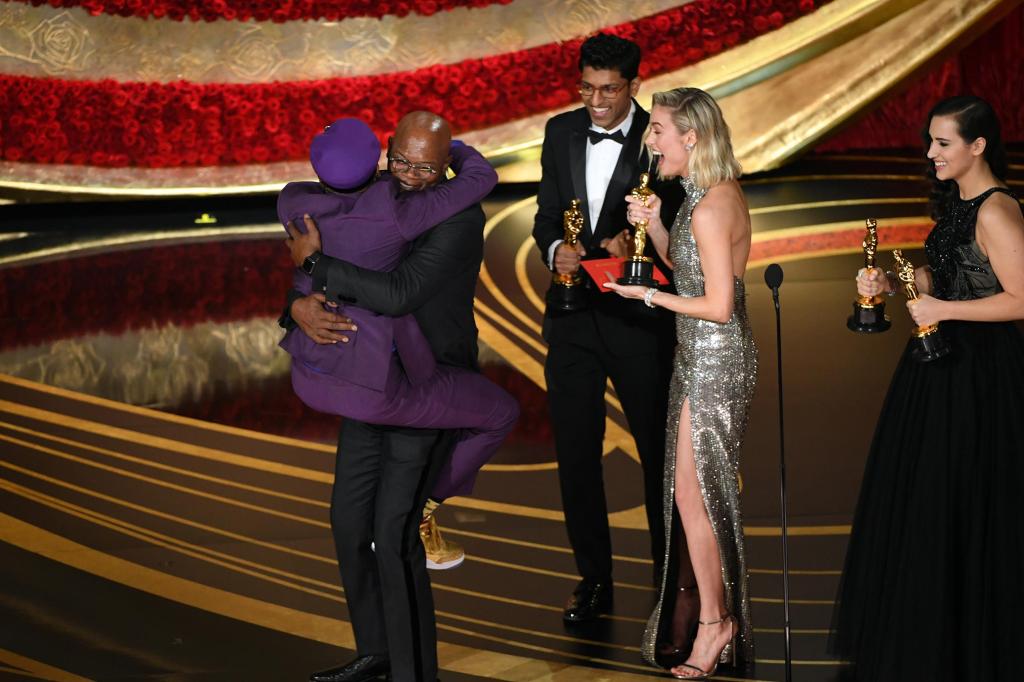
    The Academy Awards were last Sunday, and I think it’s safe to say there were plenty of surprises throughout the night. From the program having no host, to Green Book unexpectedly winning Best Picture, there was plenty to talk over the course of the next few days. Although director Spike Lee supposedly storming out after the Best Picture reveal, and Lady Gaga and Bradley Cooper’s steamy duet made headlines, things that didn’t get as much recognition were the various advertisement campaigns geared specifically towards the Academy Awards audience.

    It’s no secret that we are living in an age of recorded television and streaming services, and people have become impatient in general when it comes to sitting through commercials. Much like the Super Bowl, an awards show such as the Oscars are another example of a live televised event people tune in to in real time, and thus present the perfect opportunity to capitalize on viewers’ attention. While the adverts for the program didn’t cost nearly as much as those for the Super Bowl (according to Variety, 30 second advertisement spots for the Oscars cost between $2-3 million), it was very clear through the commercials’ content that they were advertising directly to the Academy Award audience, especially females.

    One example of this was with Walmart’s ad campaign. It’s known that fashion and style contribute to some of the Oscar’s biggest moments—both on the red carpet and in the award categories. Walmart, one of the night’s sponsors, seized this night of culture and fashion as an opportunity to advertise their clothing lines, while simultaneously highlighting film crew members and stylists who work endlessly behind the camera to make “movie magic” happen. The various commercials reinforced the idea that if ordinary people such as Julia Roberts’, Rami Malek’s, and Chadwick Boseman’s stylists can be glamorous and creative while wearing Walmart, then you can too!

    Another advertisement specifically aimed at women between the awards was a Budweiser commercial featuring Charlize Theron. In the commercial, Theron challenges female stereotypes while drinking her beer in a bar by challenging men to various games (billiards, darts, arm wrestling, etc.). An A-List celebrity, and a beautiful woman at that, was sure to capture and keep the attention of a time-shift-conditioned audience.

    Another Academy-specific ad campaign came from Google. The company utilized clips from various iconic movies, such as 2001: A Space Odyssey, Lady Bird, The Hangover Scream, Jerry Maguire, Deadpool etc., and depicted how the scenarios could have played out differently had Google been present in each scene. The commercials assume that viewers of the Oscars are movie buffs, and know enough about the films to understand the references within the commercials.


    What do you think? Do you believe the advertising efforts between the awards successfully kept audiences engaged? Did celebrities or those closely associated with celebrities influence your opinion about a product or brand featured? Comment below with your thoughts!

    -Audra Bullard

  • Worlds To Be Explored

    Video games…the staple of my childhood. From Banjo-Kazooie to Apex Legends; video games have been a part of my life since I can remember. The stories told, visuals seen, and music heard has all accumulated into the so-called adult writing this.

    If you have played video games most of your life you may have heard either a family, friend, or peer say, “Why are you wasting your time playing that game?” Hopefully, this did not result in you quitting spending time exploring the vast worlds video game developers have created. Instead, I hope this made you question why you truly enjoy spending your time racking up gold coins and virtual armor.

    For me, it was the sense of accomplishment and escape it offered. During middle school and early into high school I often found myself spending hours playing World of Warcraft. The expansive world and stories that Blizzard created drew me in and I spent six years playing every single day after school and on the weekends. I made a lot of life long friends through the game and created amazing memories. Of course, there are other games worth noting and that is exactly what the DICE awards were made for.

    wow-baf-fanart-contest

    Hosted by the Academy of Interactive Arts and Sciences, a non-profit organization recognizing interactive arts, the DICE awards allow for amazing video games to be noticed. This awards show recognizes not only the game itself, but the people who made it and the development teams who have led advancements in the massive interactive entertainment industry.

    It distinguishes the people who have spent years creating this one experience to be enjoyed by people around the world. The artists who pour every resource into this one entertainment piece that allows people to escape and experience accomplishments for a couple hours every day. The DICE awards are important because they recognize the people who take their time to make someone else’s life enjoyable. This year, God of War was awarded game of the year.

    ps4-june-refresh-god-of-war-three-step-banner-01-us-17nov16

    They also recognized Bonnie Ross, head of 343 Industries and a strong promoter of STEM and diversity efforts across the video game industry among women and other minorities. You might recognize the name if you are a massive HALO fan.

    So, next time someone asks you why you are “wasting your time” playing games, tell them you are experiencing interactive art. Explain to them the work that goes on behind the scenes and about the stories you have experienced and achievements you have made. At the end of the day if you enjoy playing video games as much as I do it will not really matter what others think. If you have made friends online you are surrounded by like minded and passionate individuals, who recognize the enjoyment video games can bring. So, keep on playing and enjoy your time exploring.


    – Christian Lombardi

  • Elections are overwhelming, but not as overwhelming as bad public officials!

    Elections are overwhelming, but not as overwhelming as bad public officials!

    It should be no surprise that the midterm elections are around the corner. I’m sure we’ve all seen the plethora of ads and commercials that have taken up every inch of public space recently. Multichannel marketing is a sure-fire way to make certain your targeted audience doesn’t miss your message and the candidates this season knew what they were doing. They were all over your mail, your street signs, Facebook, Twitter, and YouTube. Even if you didn’t know their message, you knew their name. tenor

          Both tragically and thankfully, this election season is nearly over, however there is still plenty of time to get educated and get to the polls! Don’t let the rhetoric and oversaturated market you’re seeing scare you away!

    I understand how it could feel overwhelming with how intense our political climate seems to be nowadays. New policies and claims appear to be made daily that threaten the lives of minorities, women, the LGBT+ community, and many others. From DACA to birth control to trans livelihoods to gun control, there seems to always be something new and confusing to comprehend in the political sector.

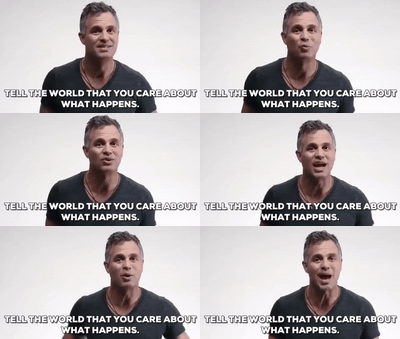
    64b814bd-9f6f-496f-83f9-6f0ba3d07703       The issues lie with all the campaign ads you see, and the crazy claims being made by publications and political groups. Don’t let all the talk freak you out. This is an exciting and promising time in politics-we can make a real change. Take all the advertising you see with a grain of salt. We know to be responsible communicators and go into the world with honesty and transparency, and to do good. Unfortunately, not everyone communicates in this way and it’s important to keep that in mind. So, when the opportunity presents itself to make a difference about who gets to represent you in Washington, you need to take it.
    200w_d (1).gif

     Here’s five steps you can take to tackle this as educated as possible!

    1. Register
      Several states allow voters to register on election day! If you’re lucky enough to live in those few states, congratulations! If you’re a resident of NC I hope you planned and registered ahead of time, because the deadline has unfortunately passed. Registering to vote is the first step in our voting process and if the number of ads we see to encourage registration is anything to go by, it might be the most important. What can you do if you aren’t registered? If you missed the deadline this time around, don’t worry. There is a lot you can do to help the candidates you support. The rest of this list won’t be too useful for a while but feel free to continue reading anyways and share it! You never know who could need a little push in the right direction.
      2. Think
      You know what’s important to you and what values you want upheld. Really think of how you believe those values should be fought for in office. What do you want your candidates to stand for? Guide yourself by the issues you see discussed on the news, online, in your classes. How do you feel about gun control, abortion, education, universal healthcare? While I do believe the information we see is highly polarized and a lot of times dramatized, those are issues that matter. There are so many policies to have opinions on and the more you understand your own, the better you can decide who should stand up for you in government.
      3. Search
      Looking up a sample ballot for your address is the easiest way to conduct a search about the candidates you need to learn about. It’s not very helpful to distract yourself with all the political discussions when you don’t even know who’s running in your district.
      4. Check
      Read up and check on the candidates now! See who fits best with what you want to see in government. Once you’ve researched your ballot, spreading out and looking at other districts and states could be helpful to see whom the candidates associate with and endorse. We know the candidates in different levels of government will often associate publicly and belong to the same public groups to spread their message. Association is a powerful force when marketing and that sort of branding doesn’t come easy. Reputations matter, both in politics and in marketing.
      5. Vote!
      This is my favorite step. Go out to your voting place and fill in your ballot. Don’t forget to grab a sticker and share it online!

    My Post (4)

    More Readings!
    Main Source

    -Rachel Montesinos Jorro

  • Do Celebrity Endorsements Change the Way People Vote?

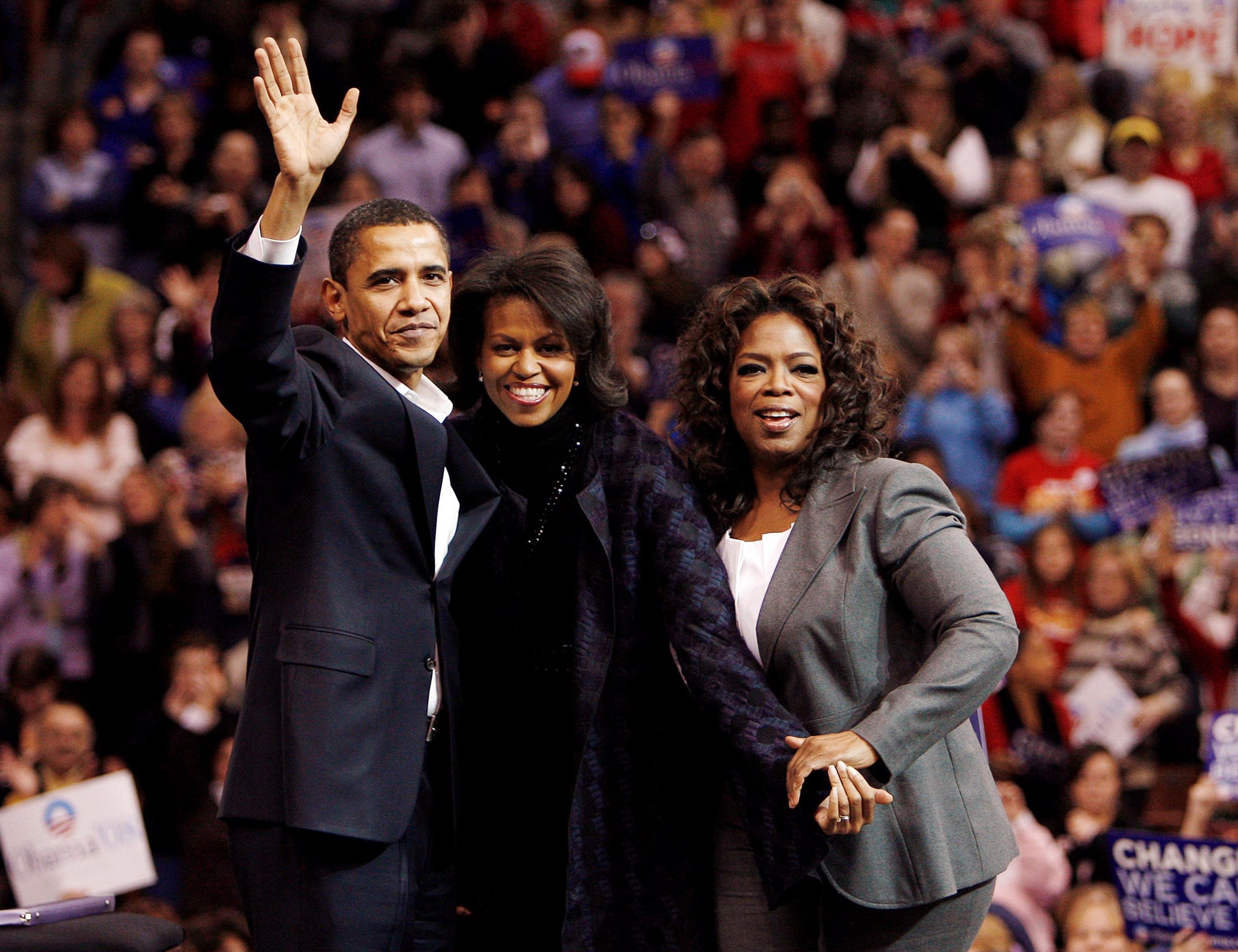
    180108-oprah-winfrey-michelle-obama-ac-532p_0fbd7ab0e3ab6c8a230fb18bc50e8ab0.fit-2000wThere is no denying how impactful celebrity endorsements can be on the public, especially in today’s political landscape. As the 2018 midterm election approaches, more and more celebrities are attempting to mobilize people to get to the polls and vote! But are these endorsements actually affecting candidates’ numbers?
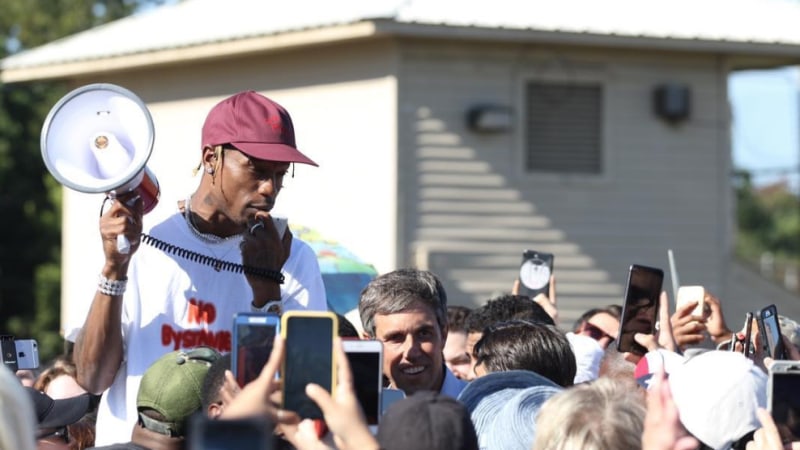
    Many celebrities have been seen personally endorsing candidates from their home states. Recently, Taylor Swift posted on Instagram that she will be voting for Tennessee candidates Jim Cooper and Phil Bredesen. Will Ferrell was spotted knocking on doors in Georgia endorsing Stacey Abrams for governor. Jack Black and Meryl Streep made large donations to Senator Claire McCaskill’s reelection fund. Even the Houston native, Travis Scott, voiced his support for Beto O’Rourke.

    ifxeonmt9clbgaoywl0b.png

    It is obvious celebrities have an effect on the way people think. People are more likely to use a product if they see a celebrity using that product or endorsing it.  Also, the more credible celebrities have a much higher impact on people’s opinions and decisions.  However, this does not seem to apply to the political scene.

    According to Gallup, Pew, and CBS News, celebrity-endorsed campaigns do not matter to the overwhelming majority of voters. CBS News polls revealed that 78% of people expected celebrity endorsements to have little to no effect on the election. Some experts say poll numbers may not accurately reflect the true impact that big-name celebrities have on campaigns.

    dt1.jpg

    So maybe, celebrities that endorse politicians aren’t doing the trick. One study found that an increase in young voter participation could be attributed to celebs that influence fans to “get out and vote”. Many celebrities are posting pictures of their “I Voted” stickers and tweeting to their fans the importance of having your voice heard by voting.

    1108-rocking-the-vote-primary-3-1200x630

    Overall, a voter who typically votes for one party is not going to turn around and become a supporter of another party because a celebrity told them to. But people who were undecided or weren’t planning on voting in the first place could be persuaded to get out to the polls. The link between celebrity power and politics has a long history and most studies claim it does not affect the way people vote. Perhaps the question we should ask is, “Do celebrity endorsements make you pay more attention?”

    – Lizzy Regnery


    References:

    http://theconversation.com/us-election-what-impact-do-celebrity-endorsements-really-have-66204

    https://www.marieclaire.com/politics/g24442884/celebrity-endorsements-politics-2018/

    http://www.electionanalysis2016.us/us-election-analysis-2016/section-2-campaign/us-election-what-impact-do-celebrity-endorsements-really-have/

    https://www.today.com/news/oprah-effect-can-celebs-sway-voters-wbna27227264