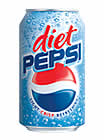
PepsiCo has always been a leader in the beverage industry and in 1993, proved this to be true with how they handled their almost-crisis. Earl and Mary Triplett of Tacoma, Washington made the Seattle news when they reportedly found a syringe in a can of Diet Pepsi. Once news of this disturbing incident hit, reports from all over the United States poured in. Within one week, people from 23 states came forward claiming that objects such as a bullet, broken sewing needle, wooden screw and cracked vial were found in their Diet Pepsi cans.
With such serious reports, you would think PepsiCo immediately recalled their product. However, PepsiCo didn’t believe in the reports. After all, with manufacturing facilities in many different locations the likelihood of such a crisis on a national level is slim to none. Instead of throwing in the towel and losing millions of dollars, PepsiCo decided to work with the Food and Drug Administration (FDA) to find the root cause of the crisis. In deciding that PepsiCo wasn’t going to recall, they knew they had to explain to the public that this decision is the right choice. How do you communicate this? By using the first ever video news release (VNR).
In having 4 VNRs, PepsiCo was able to reach 265 million viewers. These VNRs allowed the public to hear and see the facts; that the whole scare was a cruel scam. With exclusive B-roll of Pepsi’s bottling process and surveillance camera footage from Colorado of a suspect tampering with a Pepsi can, PepsiCo was able to keep their brand name clean. At the end of all this madness, the crisis resulted in 20 arrests, each facing five years imprisonment and $250,000 in fines for their false claims.
On June 21, “Pepsi is pleased to announce…nothing” became the headline of PepsiCo’s full page advertisement, placed in 12 national newspapers and hundreds of publications. PepsiCo had already planned on a summer promotion and by using their recent crisis; the company took advantage of their media coverage and tweaked their advertisement accordingly.
What is most important to take away from this crisis was PepsiCo’s ability to invite the media in, letting them know the facts allowed for the truth to come forward and stifled speculation. Media can be a powerful tool, as we have seen through PepsiCo’s crisis scare.
Meghan French and Gracie Anderson

 IMC Hawks Blog