Tag: TOMS

  • Marketing for a Cause: One Pair of Shoes at a Time

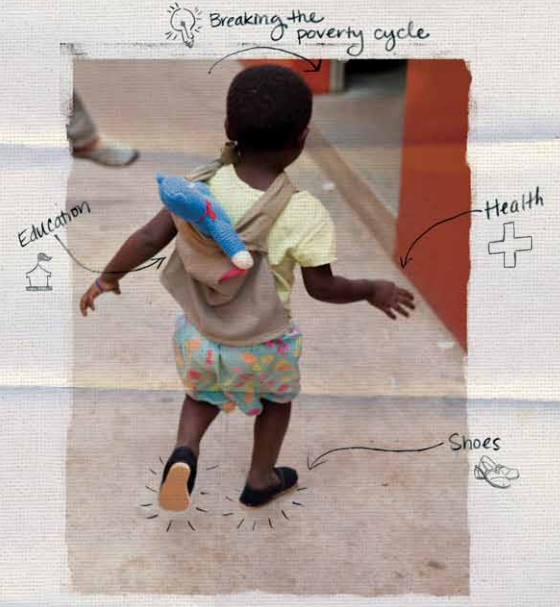
    Whether or not you know what cause marketing is, there is a good chance that you have participated in it in one way or another.  Since cause marketing is the collaboration of a company with a specific organization or cause, which is something that many brands participate in, we have decided to focus on one particular well known company that uses this tactic. The specific brand that many people, maybe even you, have supported through cause marketing is TOMS.  TOMS is a shoe company that provides a pair of shoes to a child in need around the world every time that a pair is purchased.

    TOMS

    The idea of TOMS shoes came about when founder, Blake Mycoskie, visited Argentina and discovered children within the village were walking around barefoot. Determined to help, Mycoskie created the campaign “One for One,” that would “match every pair of shoes purchased with a pair of new shoes given to a child in need.” The company has had outstanding success, becoming nationally appraised and known for their good deeds. According to their website, TOMS has given 10 million pairs of shoes spanning over 60 countries. A motivating factor behind the TOMS brand is their demonstration of corporate responsibility through their desire to help others in need.

    The Theory of Reasoned Action makes a good connection with TOMS and cause marketing because it states that attitude drives intention which overall drives the desired behavior. The Theory of Reasoned Action also states that, “If the outcome seems beneficial to the individual, he or she may then intend to or actually participate in a particular behavior.” TOMS’ mission drives consumers to have a positive attitude towards the brand and an inclination to purchase their products because the outcome is helping children in need.  Peer groups, friends, family, role models, and celebrities also play an active role in influencing consumers to participate in a desired behavior. Consumers who have a positive attitude about a celebrity that advocates TOMS may in turn have a positive attitude about TOMS, which will increase their intention and actual behavior of purchasing their products.
    What are some other instances where you have seen companies and brands use cause marketing to sell their products?  Do you think people’s motivation to purchase TOMS shoes is more for the fashion statement and to look like a good person or to genuinely donate?

    -Aaron Love, Kara Zimmerman, Rachel Clay, Rebecca Hobbs
  • The trend of helping others

    With everything that is happening in the world today, it is nice to see that others are using their products to direct consumers’ attention to things other than America’s economy. Some companies have created a brand based on helping those in need. This trend has been one that can actually make a difference in the world we live in. These companies are using their consumers’ ethos to make them feel as though they are doing the right thing by buying certain products. This marketing tactic has proven to be a successful one because two brands especially have become increasingly popular throughout their mission to help those who truly need it.  

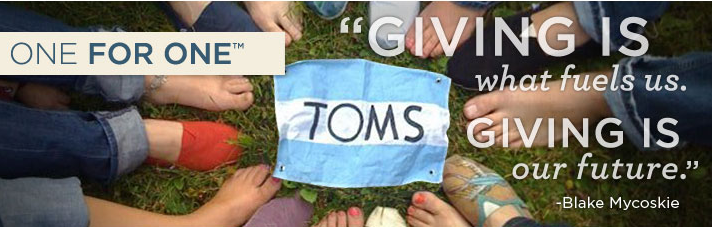
    If you haven’t heard of TOMS, you aren’t in with the latest trends.  Here on the campus of UNCW especially, TOMS are almost as big of a hit as Rainbows.  Not only do they look amazing and feel great, the TOMS brand is all about giving back.  For every pair of TOMS sold, the company donates a pair of their shoes to people in need.  The TOMS brand started back in 2006 with the creator’s trip to Argentina, where he saw first hand how many children had no shoes to protect their feet.  This is not only true in Argentina, but in many other developing countries where children grow up barefoot.  The TOMS brand slogan is ONE FOR ONE and is making a major impact on the trend of helping those in need.

    Chegg is a resource that hundreds of thousands of students utilize around the world to rent or buy textbooks to save money. One of Chegg’s incentives for students to rent or buy textbooks from their company is their philanthropic marketing strategy.  Chegg markets to their consumers that with their support, Chegg can plant trees around the world. Today, Chegg has planted over five million trees with their partnership with American Forest Global ReLeaf Foundation.  As stated on Chegg’s website these trees are planted worldwide to, “help regenerate areas damaged by wildfire, strengthen River Bounds, and restore wildlife habitats.”  In 2011, 175,000 trees were planted in Pondicherry, India, 40,500 trees were planted in Colorado and 700,000 trees were planted in Florida, just to name a few.  Chegg inspires students to be a catalyst for change around the world.  When their consumers purchase their textbooks through Chegg they can make a difference in the world by improving the environment.

    -Kelsey Bendig, Andrea Blanton, Brooke Keller, Brian Burch