Although today is the official first day of fall, pumpkin flavored lattes and #sweaterweather advertisements have filled our newsfeeds for weeks. Preparation for America’s “favorite season” is a prime example of strategic planning when it comes to IMC. Companies, such as Starbucks, take no mercy on branding fall for a profit. Take a look at the Starbucks home page:
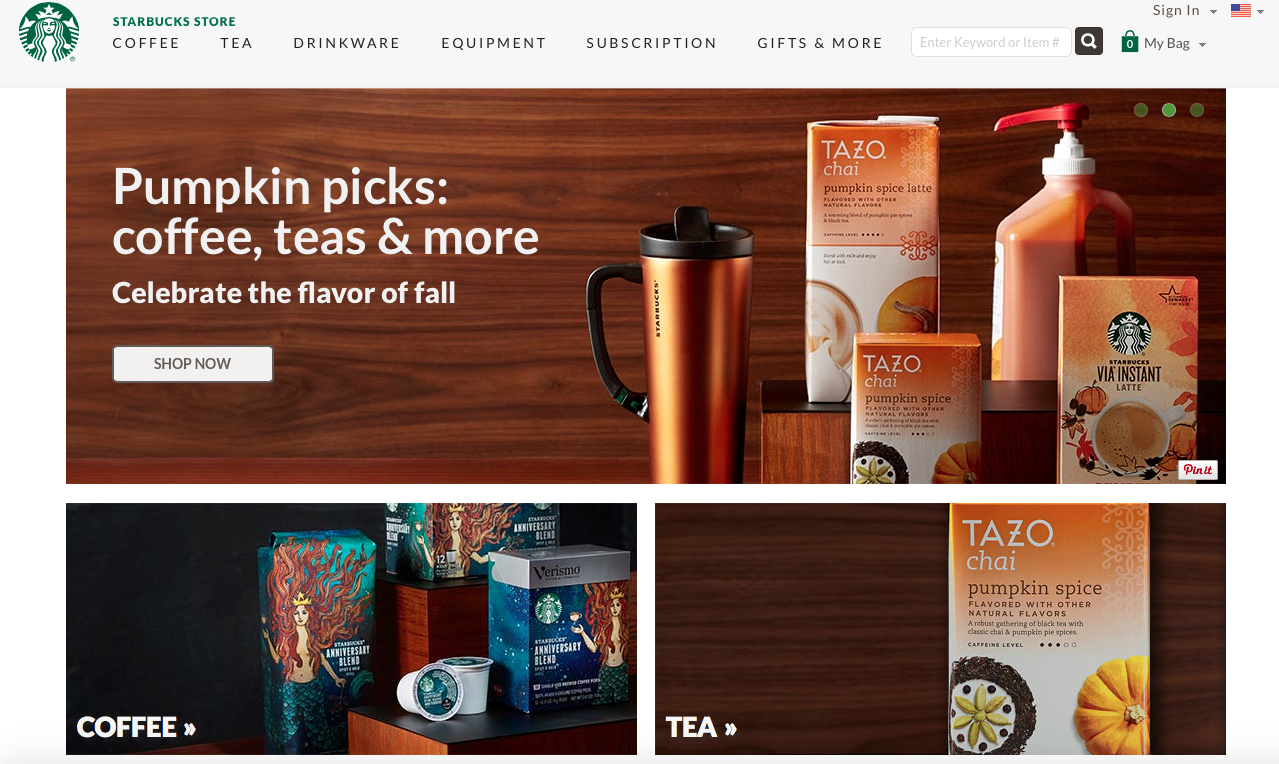
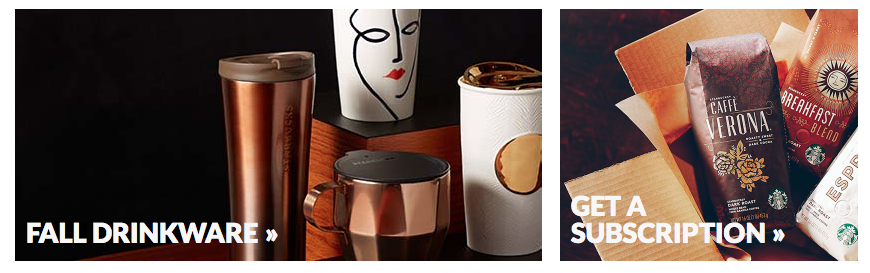
“Celebrate the flavor of fall” with pumpkin spiced teas and pump bottles of artificial pumpkin flavor. Starbucks goes above and beyond by defining fall and reminding us it is time to put a dent in the pumpkin population and enjoy this fantastic, fall sensation. Keep scrolling and you will find the “Fall Drinkware” section of their website, offering a variety of different orange coffee mugs for about 20 bucks a piece.
A little much? Well, according to Fortune Magazine, Starbucks reported a 10% increase in the fiscal fourth-quarter sales in 2014. Evidently pumpkin spice does come at a price. The company is reportedly brewing up more ideas and plan to add to the recipe by creating a “fall flavored” line of sodas, smoothies, and yogurts. Limiting the availability of these fall treats help build upon the chic image Starbucks maintains to its publics. Though some may gasp at the thought of paying over 5 dollars for one of these sought after lattes, to many, fall just wouldn’t “be in the air” without them.
S. Alyssa Groom wrote in her article, Integrated Marketing Communication Anticipating the “Age of Engage”, that it is now impossible to create a marketing plan to follow at the beginning of the year. Starbucks’ creation of this fall line is a prime example of Groom’s theory. The company has broken the marketing year into segments and focuses on specific aspects of what is popular and “hip” during that market period. Groom also mentions that “marketing can no longer stand alone” and the importance of customer engagement. Through social media pages dedicated to this fall line and the creation of hashtags, Starbucks makes purchasing one of their fall items interactive. Allowing for customers to post pictures, tag the company, generate new hashtags and register for giveaways. These strategies get the customer excited about going out and buying Starbucks products. Customers now “buy into” the Starbucks brand, going beyond a simple cup of coffee.
-Luke, Dan, Amanda, Meleah and Kendall


 IMC Hawks Blog