Tag: Language

  • Carolina BalloonFest

    Screen Shot 2015-10-19 at 1.52.45 PM

    What is it?

    Every year Statesville, North Carolina hosts the annual Carolina BalloonFest.  This is a three-day event full of hot air and fun.  With over 50 hot air balloons taking to the sky, Carolina BalloonFest will definitely leave you speechless.  This festival consists of numerous family-friendly events to keep everyone entertained.  From hot air balloon rides to a balloon 5k run, this festival has a little of everything.  The festival includes: ballon viewings, balloon flights, live music, beer and wine tasting, kite making and much more.

    Screen Shot 2015-10-19 at 1.52.34 PM

    Tickets are $10 dollars and can be purchased onsite at the festival.  For more information regarding the festival see: http://www.carolinaballoonfest.com.

    For a Cause

    Each year the festival chooses a variety of local charities to support.  Last year, over 17 charities received donations from the event.  Distributing over $76,000 dollars last year, Carolina BalloonFest not only provides fun and entertainment to the community, but also, a helping hand to those in need.  The organization states on their website that over the past five years they have contributed over $274,000 dollars to the community.  Ranging from cancer organizations to Boy Scout troops, many benefit from this weekend of fun.

    Screen Shot 2015-10-19 at 1.52.06 PM

    Com as Design

    Think of words you would use to describe fall.  Was “festival” one of the words?  To many, fall means dedicating weekends to a vast variety of festivals.  County fairs, pumpkin patches, corn mazes, and apple picking are all part of the fall theme.  But what is it we find so attractive about these events?  Is it the goods sold at them?  Or the idea of a group of people coming together for a united reason?  The design an organization or company decides to pursue for an event is very important.  Promoting what their target markets will find most attractive is crucial.

    By focusing on language in their design, Carolina BalloonFest uses phrases such as “help continue our charitable mission” and “experience the magic” to persuade their target audiences to attend their event.  This organization has decided to put a large emphasis on the charitable aspects of the festival.  The website has a section labeled “Our Mission” that describes exactly what charities benefit from the proceeds.

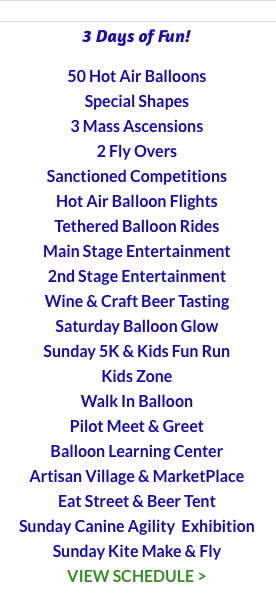
    The festival also places a large emphasis on being family-friendly.  Adding a list of activities that will take place over the course of the event, Carolina BalloonFest uses strategic naming of these activities to catch a parents’ eye.  “Kid Zone,” “Kid Fun Run,” and “Learning Center” are a few examples of designing language to fit a certain target market.
    Screen Shot 2015-10-19 at 2.02.27 PM

    It is clear when dealing with communication, design is key.  Remembering the power of design aspects, such as language, will ensure that you are successful in your communication efforts.

    Sources:

    http://www.carolinaballoonfest.com

  • Story Telling or Story Selling?

    Screen Shot 2015-10-02 at 1.04.13 PMTake a moment to think about your home. What comes to mind? Think far beyond the floors, ceilings, and furniture. Whether it is a dorm room, an apartment, the structure forcing you to have a mortgage loan over the next thirty years, or simply the place you grew up with a white picket fence, each one harnesses specific memories and has its own unique story to share. The thoughts of an apartment could evoke memories of college life, living with roommates, throwing parties instead of studying for finals, and that insanely uncomfortable futon in the living room. On the other hand, a childhood home could conjure feelings of comfort and security when thinking about playing football with dad or mom’s fresh-baked apple pie.

    As an intern for a local real estate agent, Patrick Gahagan, who is a UNCW Communication Studies alum, I am learning narrative is at the core of selling homes. Each prospective buyer has his or her own story, which encompasses the place they currently live, the place they grew up, and thus influences their ideal home. One of the biggest challenges a real estate agent faces is gaining a solid understanding of each client’s needs for a new home and finding the perfect place for them. Are they yearning for a cozy place that reminds them of their childhood home? Would an apartment that reminds them of their college days when life was far less stressful be best? Or does the buyer want to keep his or her past homes out of mind and find something new? Buyers must be able to see themselves in a home before they can begin to consider taking out a loan that could keep them in debt for 30 years. Therefore, the real estate agent must craft a story to sell homes.

    Screen Shot 2015-10-04 at 9.52.53 AM

    Given real estate agents work for commission, it is critical to master the art of story selling. Professional photos with the perfect lighting, and statistics regarding value and square footage, combine with the home tour to compose a narrative for each home on the market. In real estate, photos, stats, and the home’s structure are all rhetorical tools. A real estate agent’s job is to combine these rhetorical elements using the appropriate language to create a powerful story that will attract prospective buyers. The way in which a real estate agent uses rhetoric to frame a home essentially makes or breaks the sell. Sounds like marketing, doesn’t it? If the real estate agent composed an impactful narrative for the home, the buyers will likely proceed to make an offer and the agent is on their way to getting paid.

    In the world of real estate, stories are not simply told, but sold.

    By: Meleah, Amanda, Kendall, Luke, and Dan

  • Reframing Our Reality

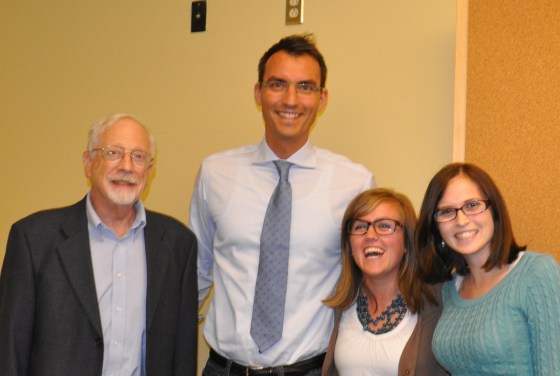
    This week the Department of Communication Studies was lucky enough to host Dr. Jacob Storch. Dr. Storch is the Senior Director of the consulting firm Attractor. His practices range from different areas such as organizational communication, coaching, leadership development, and organizational change. Within his lecture he focused on the application of communication theory to real world organizational practices.

    Dr. Storch brought some interesting ideas to the COM Department. He emphasized the impact the language we use can have on our reality. Language is a fluid, ever developing system. By consciously choosing the way we label the world around us, we can purposely affect the situations that are presented to us. Dr. Storch gave an example of a choice he was faced with when the economy began to look bleak. His company wanted him to address the “recession” and he chose to speak about “re-session.” Instead of focusing on the challenging times ahead, Dr. Storch challenged his colleagues to “re-session.” He explained re-sessioning as thinking of the market in a new, open mindset. As consultants, he said, they should begin to prepare for new questions that clients will have in the face of an unpredictable market and anticipate the changes that may arise in client needs.

    As we continued to listen to Dr. Storch’s lecture we began to notice his infectious realistic optimism. His example was just one demonstration of the impact our language can have on our world. By reframing the way we talk about our reality, we can positively impact the messages we send via language. Gatorade is a strong example of how positive language can impact a brand’s narrative. By promoting ad campaigns with headlines like, “Win from Within” and “Everything to Prove,” Gatorade is motivating their consumers to push their limits and give it their all with a positive and inspiring message. Their word choice intentionally gives their consumers a vision of motivation and success. From their commercials to the labels on the bottles, they are re-framing what most people may see as challenges as opportunities to improve.

    Dr. Storch also made us think about how we are conditioned as students. Our education system conditions us to seek out patterns and follow the instructions explicitly given to us. Often we are so concerned with following the map we are given that we forget how to take a minute and observe the world around us. The problem with this is that businesses do not need someone who can follow all the instructions. As Dr. Storch pointed out, “imagination is much more important than certainty.” Businesses need someone who can critically analyze the world around them and envision the future in a way no one else has. No pressure. Seriously, though, as Dr. Storch stated, “there is no place for average in our end of the business world.”

    Thank you, Dr. Storch and Dr. Cronen!

    – Alexandra HussCaroline MerrillAlyssa MorrelloLauren Van TrigtDann Williams