Tag: Foursquare

  • “Checking In” to Spring Break

    Happy Spring Break! Many students have spent the last couple months (or longer) trying to figure out where their Spring Break time is best spent. If you’re like me, this preparation may have involved a thorough internet search to find the perfect hotel for your week off. An increasing number of hotel chains have discovered the perks of social media use and are developing ways to satisfy the needs and wants of their customers on an increasingly personal level.

    Social media sites such as Foursquare, Twitter and Facebook Places, allow a user to “check in” or log their current location. While some companies may be skeptical about the relevance of such tools to the business that they do, the hotel industry has discovered that these services create a greater feeling of inclusion and personalization to their guests. Now hotels can invite guests to “check in” both literally and virtually, completely committing to their stay. Another added benefit of location-based check-in tools is the ability to track and incentivize a guest’s stay. Hotels participating in incentive programs for social media have been known to use a variety of rewards to reach out to their social media circle; examples include anything from a discounted meal in the hotel restaurant to late checkout times for the final night of your stay. Some hotels have gone so far as to collaborate with airlines or credit card companies to create an unofficial “rewards program”; offering discounts and frequent flier miles for using your American Express card or staying at the Hilton.

    Of course with programs such as these, there can (and will) arise questions of security and privacy. Many savvy social media users are hesitant to place their exact location online. The flip side of this is that many users don’t want the world to know where they are NOT (for instance at home…protecting their belongings). While safety and security concerns are understandable, potential thieves and “bad guys” are not the only party with a vested interest in your location and personal information. Some of the aforementioned hotels have begun tracking mentions of their brand to create a more customized experience. For instance, say you book a night at a Marriott and tweet about how excited you are to stay there for your anniversary. With the use of these tools it’s not unlikely that you will open the door to find a chilled bottle of Champagne with a note from the staff wishing you a “Happy Anniversary”. Or, on a creepier note, a woman on the local radio the other day described checking into a hotel to find a wrapped dog bone and a note saying “Snickers misses you”, a response to her Facebook status the day before where she stated that she “ hate(s) to leave Snickers (her dog) at home when she goes on vacation”… To me, this was a little bit too personalized.

    As is typical with this type of marketing, it is necessary to find a happy medium between discovering a guest’s needs and invading their privacy. How far is too far and is there such thing as too personal? While this may not be a topic that concerns you too much while lounging on the beach in Florida or soaking up the culture in a foreign country, it’s important to keep in mind that while logging your location, you may be signing up for more than you recognize. So what do you think? Will you be
    “checking in” before you checkout this Spring Break?

    Lauren Habig

  • Foursquare U

    Back before texting and tweeting, students on college campuses relied on announcement boards and gossip floating in the student center to find the popular hang out spots or know about the latest buzz. Today, news about and around campus is instant. Most major universities have embraced social media over the past decade and are using it to reach college students in a unique way. But how can universities gain access to real-time social trends on campus? Welcome to the new and evolving world of geosocial networks.
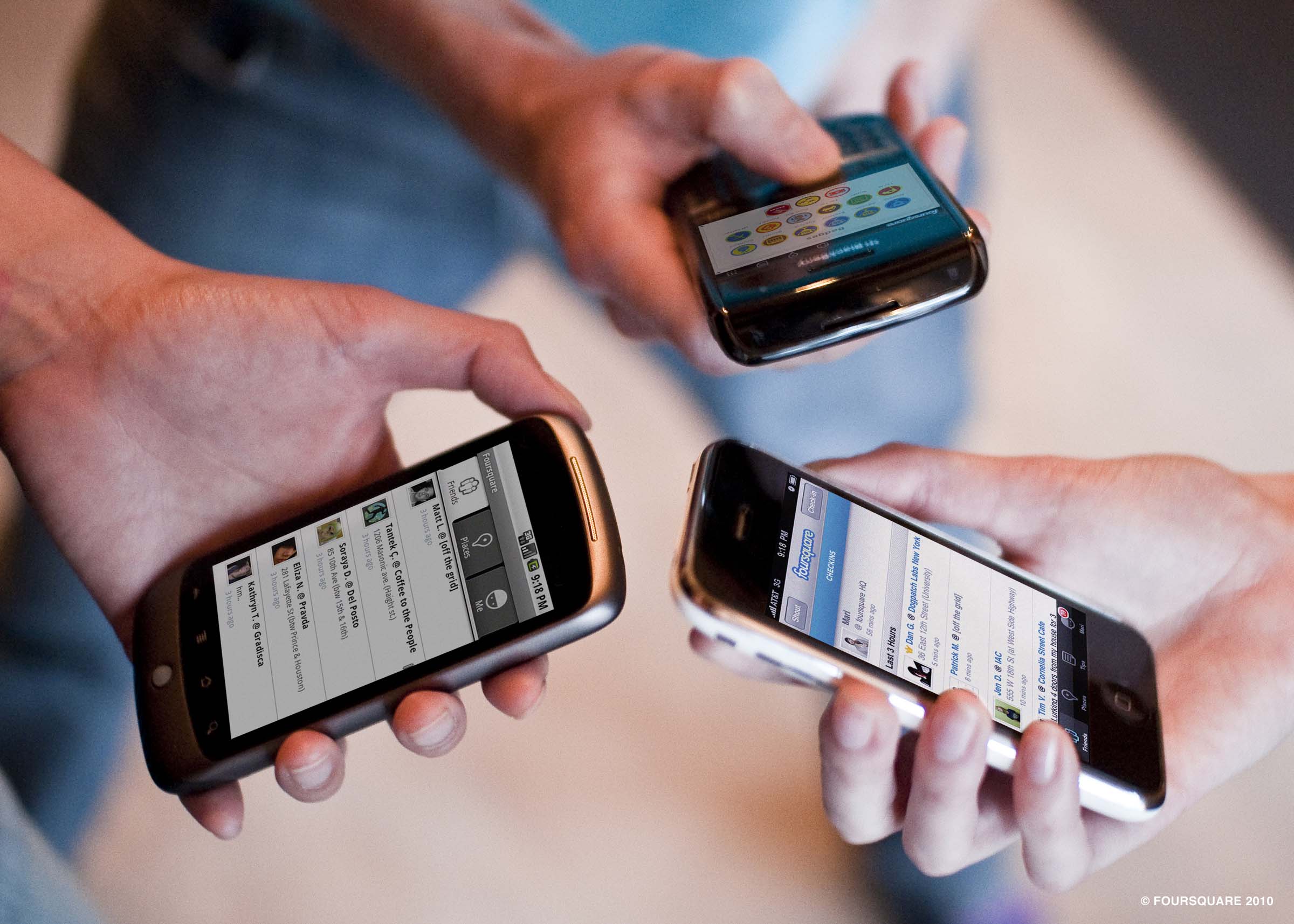
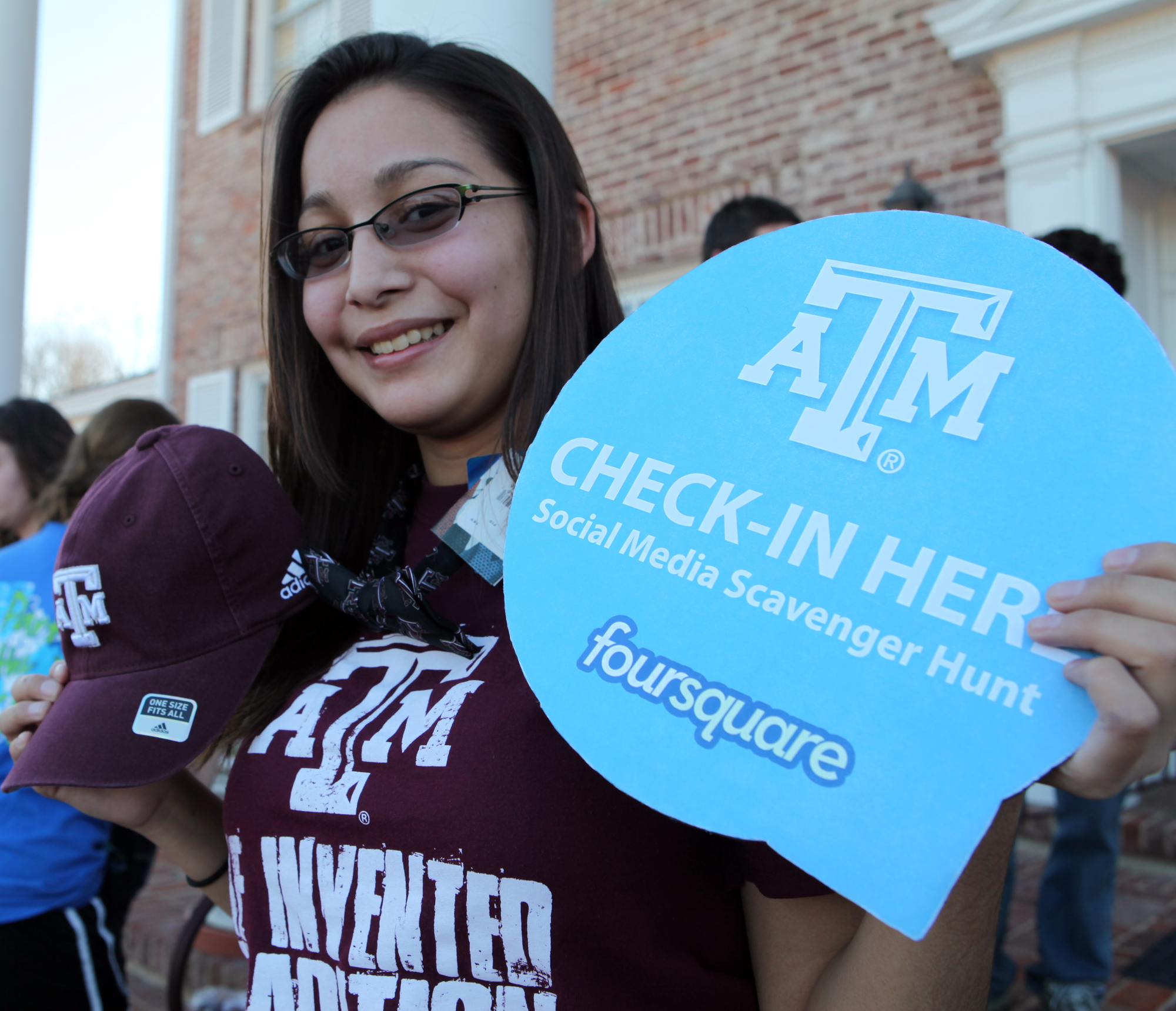
    Geosocial or “location-based” social networks are on the rise, with the forerunner being foursquare, a mobile app launched in 2009 that allows users to “check-in” to various locations and share where they are and what they are doing with their friends. Access to real-time location data from foursquare allows marketers and businesses to know what locations are “trending” as well as the demographics of users checking-in to their establishment. With the growing momentum of foursquare, universities are hopping onto the “check-in” train and recognizing foursquare on campus.
    Why should universities be interested in foursquare? For starters, foursquare currently has 15 million users and over 1.5 billion check-ins worldwide, with a growth rate of 3400% in 2010. Chances are that your business or venue is already on foursquare and users have probably checked in and maybe even left some tips. Information that users enter when creating a venue may be incorrect, but universities that claim their venues can add appropriate information to academic buildings to ensure the best overall experience for faculty, students, and guest.
    Universities are beginning to recognize the potential value of information gathered using geosocial networks. What does 4pm look like on campus? Is the library packed? Are students working out? Applications like foursquare can also attract visitors on campus by offering “check-in” deals (ex. 10% off a shirt when you check-in to the campus bookstore), creating a self guided mobile tour of academic venues, and leaving historic information or helpful tips for different locations.

    Most importantly, foursquare is free advertising (for now). Not only that, but it can be interactive and rewarding for users, perhaps by giving away free university gear for going to the library, attending a campus event, or staying healthy at the gym. The possibilities for university marketing are endless.

    By: Hunter Wilson, Josh Vester, Ashley Oliver, Molly Jacques

  • Are you the next “Mayor”?

    Can’t get enough of social media? Well neither can major companies such as Pepsi, HBO, and BravoTV. Foursquare, an application for mobile phones has quickly made its way into the social media scene and continues to add companies to its long list of members.

    A little background on Foursquare: It allows people to “check-in” to wherever they are located. For instance, when visiting a cafe, bar, or restaurant, you simply “check-in” via the Foursquare application on your phone. It then notifies your “friends” of your whereabouts. Foursquare keeps track of how many times you’ve “checked-in” to the places you are visiting and compares your visits with how many times other people visit the same place. If you frequent the spot more than others, then you become the “Mayor” of the restaurant, cafe, bar, etc.

    How do businesses incorporate this “geolocation” social media? Businesses have begun to utilize Foursquare as a way to offer rewards for people who become the “Mayor” of their establishment—a free coffee, free appetizer, etc. Many of the television stations are now using Foursquare to send “pings” about certain TV shows. When a user “checks-in” at a venue, they are then able to view tips, which “friends” leave about the particular venue. Recently, stations such as BravoTV and HBO leave “tips” at select locations, which are usually related to TV show characters or themes. Users who add the stations/shows as friends can view the “tips” at the locations, which then allows them to unlock “badges. “Badges” are tied to items such as real-life awards, sweepstakes, and coupons.

    Will Foursquare catch on as a successful promotional tool, just as Twitter and Facebook have? The platform is still in the experimental phase, but already has the backing of big-name advertisers. It is also rumored that the developers at Facebook are creating a “check-in” feature. It will be interesting to follow Foursquare’s expansion as they have already begun discussing new campaigns with The History Channel, and a partnership with Zagat, a restaurant review guide that also allows users to publish tips about restaurants in New York, Los Angeles, San Fransisco, and Philadelphia.

    Rachel Kaylor, Writer

    Danielle Murray, Researcher

    Mandy Baker, Design