Tag: Buick

  • See the USA in Your Chevrolet, or See China in Your Buick

    Baseball, hot dogs, apple pie and Chevrolet. That line from this 1970s ad for Chevrolet exhibits the brand’s position as an American icon.

    Fast-forward several decades, and General Motors’ Chevy is still an iconic American brand. Meanwhile, in China, the Chevrolet brand is still young. Chevy is China’s seventh-best selling brand, although two models, the Cruze (sold in North America) and the Sail are strong sellers.

    While Chevy is still catching on in China, another longtime GM brand from the United States holds popular: Buick.

    lugzaoaf2otau1jrolprYou may be asking yourself: Buick? Isn’t that the car for old people? Not so the case in China! In 2013, four times as many Buicks were sold in China than in the U.S.  Nearly 810,000 Buicks were sold in China, compared to over 205,000 stateside.

    What explains Buick’s popularity in China? The answer is rooted in the early 20th century when important Chinese government figures such as president Dr. Sun Yat-sen, premier Zhou Enlai, and emperor Pu Yi either owned, drove, or were driven around in Buicks. This historical background adds to Buick’s image of upper class and prestige. Their advertising uses images of success to propel Buick to a high-end brand, such as in this Buick Excelle ad from the 2000s.

    Establishing global brand coherence has its difficulties. To contrast, in the United States, Buick is having trouble shaking off the “55-to-dead” demographic, and they tackle that problem in this new ad that features the demographic commonly associated with the brand in the U.S. with the desired target demographic in the driver’s seat of the brand-new 2014 Buicks:

    GM isn’t the only American automaker popular with the Chinese. Ford’s sales in China rose 49 percent in 2013, and the Ford Focus was China’s best-selling car that year. NPR interviewed 32-year-old Li Ning, who said he bought a Focus because he likes its muscular American style. In China, Ford is establishing its image as young and trendy.

    chinaford2_wide-852ed1ca329096cde3278d9430a4ed11fd559123-s40-c85

    Auto China 2014, the Beijing International Automotive Exhibition, kicked off on April 20th and runs until April 29th. At Auto China, Ford is introducing a luxury brand familiar to Americans—Lincoln.

    LincolnThumb_1398177154

    Lincoln’s model of selling cars in China is called “The Lincoln Way” and features luxurious showrooms that feel like a five-star hotel. Lincoln plans to focus on building customer relationships by understanding and fulfilling their needs. Lincoln may bring this style of personal selling to the U.S. based on how it works in China.

    Only time will tell if Ford’s effort to introduce the Lincoln brand to China will be a success. Will it become a competitor to Buick, which is already established as a strong luxury brand in China? Are there other ways in which this is an example of globalization?

    Nathan Evers

  • March Madness Scoring Big with Advertisers and Viewers

    The pressure is always on during March Madness and not just for the teams.  This year marks the start of a new strategy that is scoring big with advertisers and basketball viewers across the nation.  Last April, a 14-year $10.8 billion deal partnered CBS with Turner broadcast System.  This new deal means the NCAA Division I Men’s Basketball Championship games will be divided between CBS, TBS, TNT, and truTV making all games available without an extended cable package.

    This change in game airing has not only allowed CBS to take corrective action to fix fans’ complaints about not being able to pick the games they want to watch but also allows advertisers to maximize their reach and get more for their money.  With a +15% rating growth and an average of 8.4 million viewers for the first week alone, records were set with the highest first week viewer average in 17 years and +18% growth in viewers for Sunday’s third-round coverage.  This +18% growth on Sunday meant an additional 1.6 million viewers in comparison to 2010.

    Specifically, the areas of largest growth have been males ages 18-34 with a +40% viewer growth.  This is big news for advertisers focusing on this public.  With bigger audiences comes a bigger advertising vehicle. With this type of seemingly exponential increase, the five R’s of receptivity, relevance, response, recognition, and relationship come to mind. Since males were targeted as the areas of the largest growth, companies can now utilize TNT, truTV, TBS, and even CBS and relevance to gear their advertising efforts towards males between the ages of 18-34.

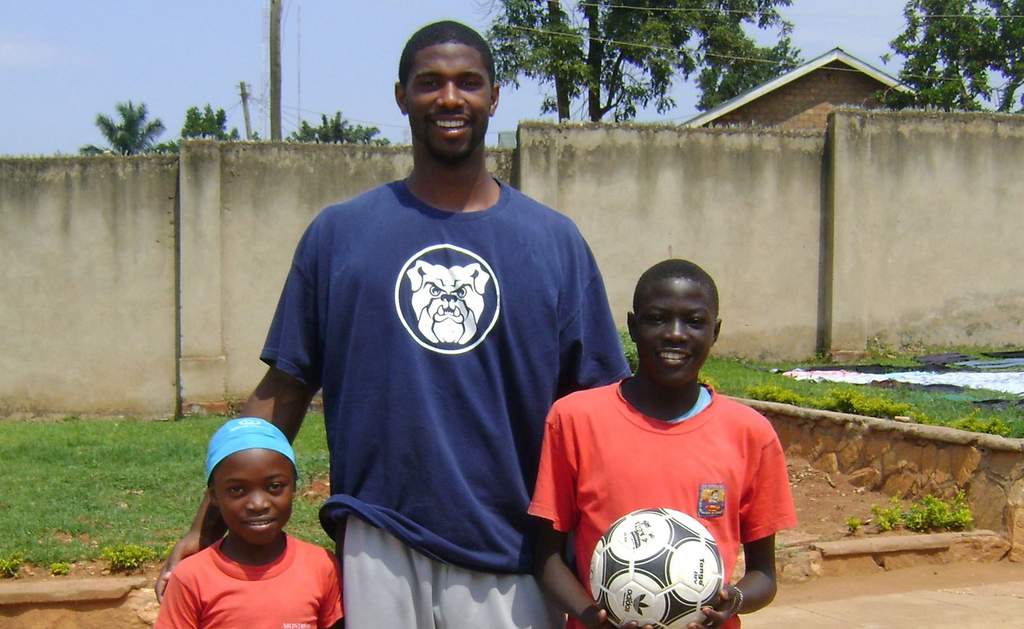
    Someone taking full advantage of this opportunity is Buick. The famous automaker is trying to rebuild its brand image and appeal to younger buyers. What better time to do so than during the NCAA tournament amongst males between the ages of 18-34? Buick utilizes the idea of recognition by recognizing their audience as avid college basketball fans and bringing in a key player from last year’s runner up, the Butler Bulldogs, to help endorse their new brand image. Avery Jukes will appear in one of several TV spots of telling stories of overcoming the odds and hammering through tough obstacles. This is a true appeal to the emotion of the viewers because fans of college basketball appreciate a good Cinderella story, as the Butler Bulldogs were categorized during the NCAA tournament of 2010.

    Avery Jukes, who played basketball in last year’s championship game for Butler University, is the founder of Jukes Foundation for Kids, a non-profit entity dedicated to providing food, clothing and educational resources to youth in the United States and Uganda. (GM)

    It’s certainly going to be interesting to see how advertisers employ the Five R’s throughout the tournament. Will they use the emotional appeals of a good comeback story? Or will they gear themselves towards a more winning attitude of champions never lose? We’ll just have to see what the Madness of March brings…

    -Carissa Niederkorn, Deji Adeleke, Tiffany Evans, Katie Eagle & Anna Kate Babnik