Tag: Advertising

  • Halloween or ‘Howl’oween?

    As Halloween approaches, children and adults have been preparing for the holiday by buying costumes, decorations, and candies. Halloween is known as a night for children to walk around dressed up and get candy. However, recently the holiday has expanded to include all family members, even the pets

    This year, PetSmart has taken to Halloween just as much as other retailers, such as Walmart and Party City, usually do. The pet retailer advertises everything from pet costumes and collars to Halloween themed treats and toys. They also offer Halloween events such as in-store trick-or-treating, pet photo contests, and even Halloween “pet camp” for those that don’t want to leave their pets at home that night.

    Screen Shot 2015-10-25 at 12.49.54 PM

    https://www.petsmart.com/

    The home page for PetSmart’s website features everything a pet owner could need for their pet to be a part of the Halloween festivities. While the majority of their advertising is for their own products, the site also advertises at home do-it-yourself recipes and costume ideas. This form of advertising says to consumers that the retailer truly cares about the pets and wants them to be just as much a part of the holidays, therefore making pet owners trust their brand more.

    The communication design that PetSmart implements makes pet owners believe they need these Halloween items just as much as any other pet necessity. The company is making consumers buy into their narrative and purchase costumes for their pets. PetSmart holds a brand image that presents itself as a company for everything pet related. The company is seen as a go-to for food, toys, training, grooming, and in some stores, even veterinary services. By offering pet supplies and events for the holidays, even Halloween, PetSmart solidifies its image as still being the one-stop-shop for pet owners.
    One of the main aims of Integrated Marketing Communication is to affect behavior and not just attitudes. PetSmart has turned a once silly idea of dressing your family pet up for Halloween into a business opportunity to make a larger profit. The creation of not just products, but events too, draws customers in so that they feel they have a reason to buy character costumes for their pets and Halloween themed toys. For most pet owners, their animals are members of the family, and should be included in family fun. PetSmart allows that to happen with their holiday apparel and pet-oriented events.

    The pet Halloween industry has grown significantly to the point that CNN even offers the top 5 dog costumes of 2015 in their recent online article about Halloween Fast Facts, which can be found here: http://www.cnn.com/2013/06/13/us/halloween-fast-facts/  The top five costumes were as followed: pumpkin, hot dog, Batman, devil, and a bumblebee. Of those five, PetSmart offered every single one, some with multiple options, even for different sexes of dogs. Is it a coincidence that PetSmart sells the top five costumes? Probably not.
  • Spooky Scary… Roller Coasters?

    If you grew up in the Carolinas, chances are at some point you’ve been to Carowinds, our adrenaline filled pride and joy. For those of you who are unaquainted, Carowinds is an amusement park situated right on the border of the twin Carolinas off of Interstate 77. The park is in service starting March of each year. It closes in November, but not before it’s biggest event of the year: SCarowinds.

    2008_ScarowindsLogo_500

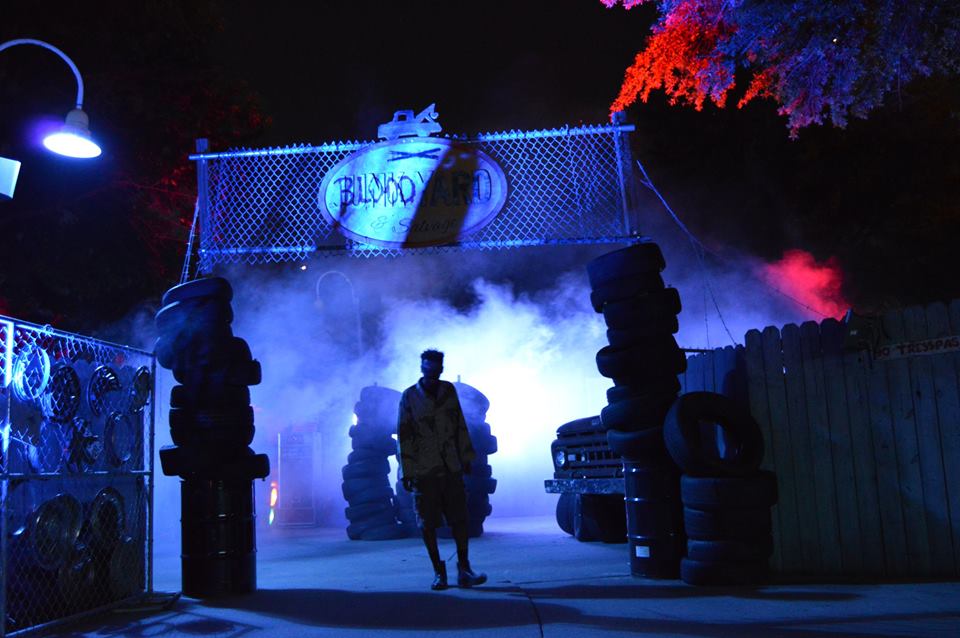
    SCarowinds is Carowinds’s annual Halloween event that was first introduced in 2000. The park is redecorated and showcased as a spooky Halloween adventure. Major traffic areas are repurposed as “scare zones” and several new mazes and attractions are opened with creepy undertones and scares waiting around every corner. Carowinds hires people every year as designated performers to both man spooky attractions and wander around the park scaring guests. SCarowinds is more than just a pretty remodel though. Every year, SCarowinds makes up some of the highest ticket sales and attendance numbers for the park, so much so that they are able to split sales between the daytime park and the SCarowinds event and charge admission for both. For a consumer, this can get expensive very quickly, especially when factoring in parking.

    scarowindsmazelinup2015

    So what is the draw of SCarowinds then? Why does it draw in so many people, even moreso than the regular daytime park? A big part of this is audience engagement. According to S. Alyssa Groom an organization can maintain its relevance , “by first recognizing how this moment of engagement and interactivity changes everything.” SCarowinds is an interactive event consistent with Halloween’s brand. As ghoul’s and goblins roam the park, the screams of fear are also screams of approval.

    Carowinds is a big draw during the summer, when everyone is off of school and work. However, during the later months, specifically after August, attendance numbers start to drop dramatically due to the removal of a large portion of their target market due to school. However Carowinds still has to make money, so shutting down the park for that time is not possible. Instead, Carowinds stops operating during the week, since their visitor counts would be so low, and moves to a more efficient method of opening for weekends with their SCarowinds facelift. Carowinds cashes in on this with their annual event by building on the hype and mystery of Halloween.

    Scarowinds 2015

    “Second, the pervasiveness of “engagement” as a way of life elevates the centrality of communication to human experience.” By allowing people to be involved rather than just be spectators SCrowinds has become so pervasive it is accepted as a Halloween tradition by many. In its 15th year SCrowinds continues to be an interesting example of a brand shifting their image to better fit the seasonal craze. In a way, it’s similar to pumpkin spice and peppermint in that it plays off of our preconceived notions of holidays. When explaining how SCarowinds became so successful, it really boils down to two concepts: targeted marketing and a unified message.

    “And third, marketing can no longer do it alone.” Carowinds focuses on penetrating the seasonal market during September and October and takes advantage of the craze around Halloween, using it to boost their numbers. Halloween is an incredibly popular holiday among younger children and older students, so Carowinds focusing on engaging the kids which in turn brings parents along. Carowinds unifies its advertising to show the SCarowinds event almost exclusively because then they can market both the park and the event at the same time.Furthermore, kids offer the unique advantage of instant viral marketing. By establishing themselves firmly in kid’s idea of Halloween, Carowinds gets the advantage of becoming the “cool” thing to do around school. While this isn’t a direct effort by Carowinds, it contributes greatly to their brand image and the sales of tickets.The parks ability to effectively communicate its ideas internally and externally allows for successful IMC throughout the event.

    Carowinds’ also engages their audience through their social media accounts. Their Facebook, Twitter, and blog attracts millions of people from the Carolina’s and surrounding areas to this frightful event. These social media outlets allow attendees to share their experiences and give newcomers an idea of what awaits, taking word of mouth marketing viral.

    So really, SCarowinds is just a big audience-centered advertisement for Carowinds. Carowinds knows that fads are powerful when it comes to advertising and caters to exactly what their audience wants to see in the best season to be spooky. By utilizing the engagement approach and cashing in on the seasonal craze, Carowinds firmly cements themselves as a part of Carolinian Halloween tradition.

  • Carolina BalloonFest

    Screen Shot 2015-10-19 at 1.52.45 PM

    What is it?

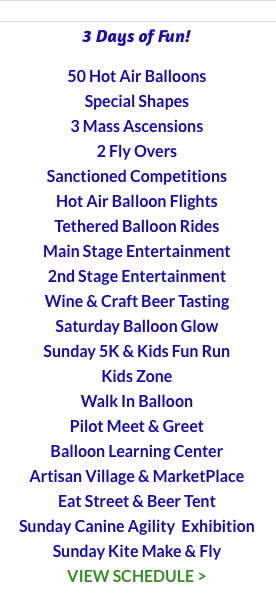
    Every year Statesville, North Carolina hosts the annual Carolina BalloonFest.  This is a three-day event full of hot air and fun.  With over 50 hot air balloons taking to the sky, Carolina BalloonFest will definitely leave you speechless.  This festival consists of numerous family-friendly events to keep everyone entertained.  From hot air balloon rides to a balloon 5k run, this festival has a little of everything.  The festival includes: ballon viewings, balloon flights, live music, beer and wine tasting, kite making and much more.

    Screen Shot 2015-10-19 at 1.52.34 PM

    Tickets are $10 dollars and can be purchased onsite at the festival.  For more information regarding the festival see: http://www.carolinaballoonfest.com.

    For a Cause

    Each year the festival chooses a variety of local charities to support.  Last year, over 17 charities received donations from the event.  Distributing over $76,000 dollars last year, Carolina BalloonFest not only provides fun and entertainment to the community, but also, a helping hand to those in need.  The organization states on their website that over the past five years they have contributed over $274,000 dollars to the community.  Ranging from cancer organizations to Boy Scout troops, many benefit from this weekend of fun.

    Screen Shot 2015-10-19 at 1.52.06 PM

    Com as Design

    Think of words you would use to describe fall.  Was “festival” one of the words?  To many, fall means dedicating weekends to a vast variety of festivals.  County fairs, pumpkin patches, corn mazes, and apple picking are all part of the fall theme.  But what is it we find so attractive about these events?  Is it the goods sold at them?  Or the idea of a group of people coming together for a united reason?  The design an organization or company decides to pursue for an event is very important.  Promoting what their target markets will find most attractive is crucial.

    By focusing on language in their design, Carolina BalloonFest uses phrases such as “help continue our charitable mission” and “experience the magic” to persuade their target audiences to attend their event.  This organization has decided to put a large emphasis on the charitable aspects of the festival.  The website has a section labeled “Our Mission” that describes exactly what charities benefit from the proceeds.

    The festival also places a large emphasis on being family-friendly.  Adding a list of activities that will take place over the course of the event, Carolina BalloonFest uses strategic naming of these activities to catch a parents’ eye.  “Kid Zone,” “Kid Fun Run,” and “Learning Center” are a few examples of designing language to fit a certain target market.

    Screen Shot 2015-10-19 at 2.02.27 PM

    It is clear when dealing with communication, design is key.  Remembering the power of design aspects, such as language, will ensure that you are successful in your communication efforts.

    Sources:

    http://www.carolinaballoonfest.com

  • A Symbol of Hope or Shopping?

    1
    http://www.sportivostlucia.com/?attachment_id=780

    Whether it be the NFL, Yoplait’s pink lids, or local breast cancer benefit events, like UNCW Communication Studies Society’s Rock for a Cure this Friday night, the color pink is plastered all over the nation during the month of October. As it stands, the pink ribbon is a universal symbol representing the fight against breast cancer. Over the past few years some critics have emerged saying this beacon of hope has merely become an annual marketing campaign. Nancy Stordahl, a blogger for the Huffington Post, criticizes the campaign and in 2012 she composed a list of the ten things she felt were wrong with the pink ribbon.

    You can find the full article here, but there are two points in particular she relates back to marketing that raise an interesting discussion. The first is that the pink ribbon is being used to sell stuff and has lost its original purpose, a purpose to unite this country and show our commitment to finding a cure. Today, marketers are using the pink ribbon to tie the cause to the products they are trying to sell. Stordalh even calls breast cancer the “shopping disease.” Customers are no longer buying just the product but they are now buying into the pink ribbon and what it has traditionally stood for. The typeology approach to IMC acknowledges that companies have products that look like another company’s products and services. However, it also points out that the market depends on common interests between themselves and the people who can help their company thrive. While the number of pink ribbon branded products on the market may be alarming, maybe marketers are giving consumers what they want – a deeper connection to a brand that allows them to make a contribution to something that has seemingly impacted them both.

    The second point Stardahl makes is that marketers are selling the idea of “selling good will.” If the consumer purchases a product that will lead to a company’s contribution, the consumer views this purchase as their contribution to the cause. This tactic allows corporations and organizations to sell more products and increase profits while enhancing their corporate social responsibility at the same time. In turn, consumers are able to buy into the commodity culture that surrounds the pink ribbon. They become part of the fight and part of the cure all while donning their pink ribbon branded merchandise.

    3
    http://www.shescribes.com/2010/10/free-60-day-membership-to-bjs-wholesale-club-for-everyone.html

    Next time you have the opportunity to join the fight, think local and try to avoid the marketing tactic of “selling good will” and supporting the “shopping disease.” If what critics say is true, and the pink ribbon has lost its symbolism for hope, strength and a unified commitment to a cure, is it ethical for marketers to continue using this symbol on their products? Let us know what you think about the national attention that is brought to the pink ribbon. Do you think it has become a marketing tactic or does it still representation of the fight to find cure?

    http://www.huffingtonpost.com/nancy-stordahl/breast-cancer-pink-ribbons_b_1951319.html

  • Pumpkin $pice

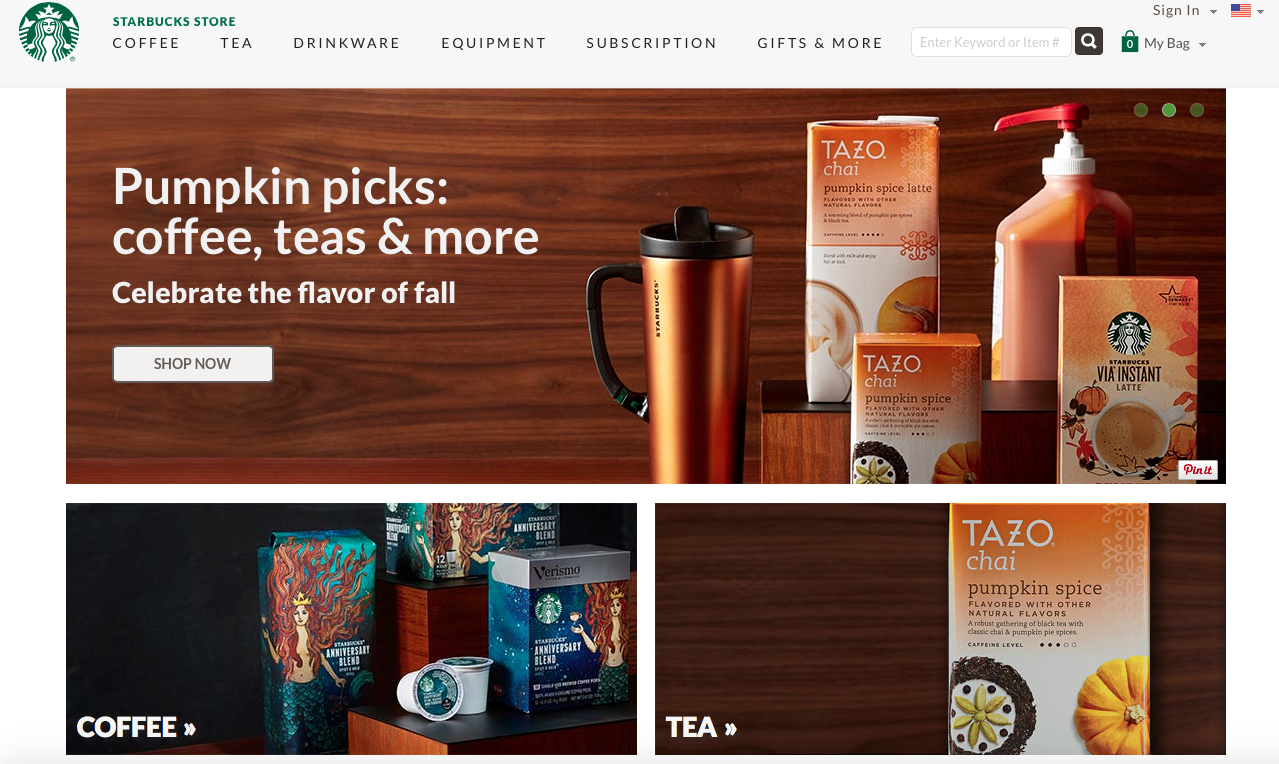
    Although today is the official first day of fall, pumpkin flavored lattes and #sweaterweather advertisements have filled our newsfeeds for weeks.  Preparation for America’s “favorite season” is a prime example of strategic planning when it comes to IMC.  Companies, such as Starbucks, take no mercy on branding fall for a profit.  Take a look at the Starbucks home page:

    Screen Shot 2015-09-21 at 1.45.54 PM

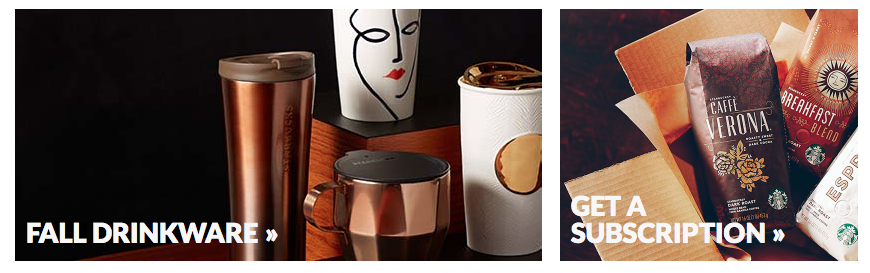
    “Celebrate the flavor of fall” with pumpkin spiced teas and pump bottles of artificial pumpkin flavor.  Starbucks goes above and beyond by defining fall and reminding us it is time to put a dent in the pumpkin population and enjoy this fantastic, fall sensation.  Keep scrolling and you will find the “Fall Drinkware” section of their website, offering a variety of different orange coffee mugs for about 20 bucks a piece.

    Screen Shot 2015-09-21 at 1.45.42 PM

    A little much?  Well, according to Fortune Magazine, Starbucks reported a 10% increase in the fiscal fourth-quarter sales in 2014.  Evidently pumpkin spice does come at a price.  The company is reportedly brewing up more ideas and plan to add to the recipe by creating a “fall flavored” line of sodas, smoothies, and yogurts.  Limiting the availability of these fall treats help build upon the chic image Starbucks maintains to its publics.  Though some may gasp at the thought of paying over 5 dollars for one of these sought after lattes, to many, fall just wouldn’t “be in the air” without them.

    S. Alyssa Groom wrote in her article, Integrated Marketing Communication Anticipating the “Age of Engage”, that it is now impossible to create a marketing plan to follow at the beginning of the year.  Starbucks’ creation of this fall line is a prime example of Groom’s theory.  The company has broken the marketing year into segments and focuses on specific aspects of what is popular and “hip” during that market period.  Groom also mentions that “marketing can no longer stand alone” and the importance of customer engagement.  Through social media pages dedicated to this fall line and the creation of hashtags, Starbucks makes purchasing one of their fall items interactive.  Allowing for customers to post pictures, tag the company, generate new hashtags and register for giveaways.  These strategies get the customer excited about going out and buying Starbucks products.  Customers now “buy into” the Starbucks brand, going beyond a simple cup of coffee.

    -Luke, Dan, Amanda, Meleah and Kendall

  • A.C.E. – Your Source for Campus Entertainment

    Please nod your head if you have ever taken another route to class pretending to be on your cell phone or completely ignoring someone who was trying to give you an event flyer. If you give your computer screen a nod, we applaud you.  However, if you are like 99% of the student population at UNCW and nodded your head–we understand.

    There are over 250 student organizations vying for our attention, membership and time so how do we pick what to attend? Our choices depend on how, or if, we hear about the event and how creative the marketing is. The Association for Campus Entertainment is the university’s student programming board Did you enjoy Hoddie Allen last year? That was ACE. What about when Maci Bookout from Teen Mom was here in the spring? That was ACE too.

    In the midst of everything college kids have going on, ACE provides an outlet for free entrainment. But just like every other student organization, they have to compete for your time as well. Integrated Marketing Communication, IMC,  allows us to diversify the means by which we achieve our marketing goals. A public relations campaign? Check. Social media presence? Also check. Cool and engaging advertising? Also IMC.

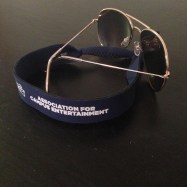
    ACE does this through an array of promotional tools each year, the first being through giveaways what college student doesn’t like free things? This year ACE gave phone wallets, Croakies, car USB adapters and staplers. This may seem like a mishmash of items but each one served a purpose: to be seen and get the ACE name known. Whether it is letting a classmate use the ACE braded stapler, or paying for food in Wag as you pull your OneCard out of your ACE branded phone wallet, ACE is marketing their brand. The goal is to increase the number of times a student sees a brand and how they associate it—hopefully in a positive light.

    image1

    There is more to promotions than simply getting a name out; ACE must also promote their events. There are the standard campus marketing methods such as banner, chalking and flyers, but in order to infiltrate the calendars of college students, you must take efforts farther. ACE is a brand that thrives on creative promotions, whether this be acting out a scene from an upcoming movie in the campus theatre or handing out paint brushes across campus for a Cheerwine and Design event. There is always something being passed out.

    A successful marketing campaign goes beyond creating and implementing the campaign. The ultimate goal of IMC, is to not only change one’s beliefs, but to change his or her actions. Whether this be successfully convincing students to change their plans and attend an event or sign up for ACE, we want them to act on our suggestions. So how do you think ACE stacks up, do you hear about their events through traditional means of advertising or through creative promotions across campus? Furthermore – how do you prefer to be wooed into coming to an organization’s event or do you organically decide to attend? Let us hear your thoughts and comments blow!

    -Amanda, Daniel, Kendall, Meleah and Luke

  • Campus Dining: Fueling Your Education

    Students can be hard to please, but that doesn’t stop schools from trying. Universities cater to their students needs in many ways from providing tutoring services and career building seminars, to fulfilling the most basic and necessary task of feeding their students.

    Campus Dining
    facebook.com/uncwcampusdining

    UNCW Campus Dining has a large customer base that has a high turnover. With each new generation of Seahawks and the constant evolution of food trends in society, Campus Dining must stay updated on their consumer needs. An effective IMC plan begins and ends with research. Each semester Campus Dining sends out surveys asking students and faculty what changes they would like to see. Questions include asking for locations where students and faculty feel dining options are lacking and also what variety of food options they would like to see offered.

    Campus Dining stays relevant through a nearly constant evolution of dining locations. Anyone who has had a meal plan for more than a couple semesters has probably seen Dub’s remodeled multiple times. With redecorations, menu changes, dietary need additions, we don’t have time to get bored before it is new again. Currently Dubs has an emphasis on local and healthy options.

    Campus Dining brand also embraces sustainability efforts. You may have heard about the fish tank in Wag. This aquaponics system (a small ecosystem that raises plants and fish in a mutually beneficial environment) is just one of the most recent updates. This semester the cafeteria provides more fresh fruit and veggies (due to survey requests) and wag sushi on Fridays. These are just some examples of Campus Dining improvements.

    Aside from keeping up with the foods that students request, UNCW goes one step farther to keep their students happy by offering a variety of promotions. This semester, along with the updated meal plans, UNCW has a “VIP” option for students in Non-Traditional housing who purchase meal plans. By getting a meal plan between May 18th and August 24th, eligible students were enrolled in a rewards program that allows them free surprises every month.  Some of these specials include free coffee at Port City Java, a free bagel, a free sandwich at The Landing, a free Chick-fil-a sandwich, and other exciting surprises. This IMC strategy is an incentive for students who are not required to purchase a meal plan to do so, and a way for UNCW Campus Dining to retain more customers.

    All these initiatives show Campus Dining’s commitment to generating consumer enthusiasm and engagement to keep their brand relevant against off-campus dining competition. In addition to their guaranteed return on investment from students living on campus who are required to get meal plans, Campus Dining’s IMC plan draws in extra revenue by encouraging everyone to make them their choice for nutritional value.

    Want to learn more about campus dining? Follow them here:

    Twitter: @UNCWDining

    Instagram: @uncw_dining

    Facebook: www.facebook.com/uncwcampusdining

    -Carey Poniewaz, Aki Suzuki, Alexis Trimnal, Carey Shetterley and June Wilkinson