
by Sean Owens

Photo courtesy of Lauren Arsena.
Lauren Arsena entered UNCW in the Fall of 2014. At the time, she knew she was interested in marketing, but was unsure which major would be the best fit for her. She quickly discovered COM and the potential the department had to teach her, not only marketing, but advertising, public relations, and more.
In terms of campus involvement, Lauren is the President of the Association for Campus Entertainment. ACE is the student-programming board at UNCW; they are responsible for a wide variety of events across campus, including the Jesse McCartney concert in Kenan Auditorium last Friday, September 22. Lauren was an integral part of the team that brought Jesse to campus, resulting in the fastest selling show in ACE’s history. The show sold out in less than 90 minutes.

September 22, 2017: Jesse McCartney at the concert on campus. Photo courtesy of Hayley Kane (ACE Photographer).
Lauren first decided to join ACE because she wanted to have a say in planning events for campus, while still having fun. Before becoming the president, Lauren was the Special Events Chair, now known as the Activities chair. She worked on a few of ACE’s traditional events like Last Seahawk Standing and Speed Dating. She created a few new events of her own as well, including Swing Dancing and Salsa Dancing lessons–both free for students. Last fall, she brought an improv group to campus for a Murder Mystery Dinner. Guests interacted with the characters to learn who the killer was.

Lauren (right) and the Spirit Committee Chair Maddie (left) outside of Lumina Theater before one of ACE’s films. Photo courtesy of Hayley Kane (ACE Photographer).
She has gotten the opportunity to apply a lot of the knowledge from her courses to her position in ACE and vice versa. Lauren states, “I’m on the PR/IMC track, so I’ve learned a lot about how to effectively market on social media. ACE also helps me in my classes because I have experience in event planning, leadership, teamwork, and public speaking.”
Along with ACE, Lauren works as a Calendar Assistant for Campus Life. She uses Adobe Photoshop and Illustrator to create the calendars in the bathrooms of the Fisher Student Center and Union. Her experience with the Adobe Creative Cloud inspired her to add a Digital Arts minor.


Two of Lauren’s recent calendars. Lately, she has been hiding a Pac-man ghost somewhere in the design. See if you can spot him! Photos courtesy of Lauren Arsena.
After graduation, Lauren would like to work in event planning for a few years. In the long term, she would like to return to school to work on a masters degree in Student Affairs. Her goal is to work with a student-programming board like ACE.
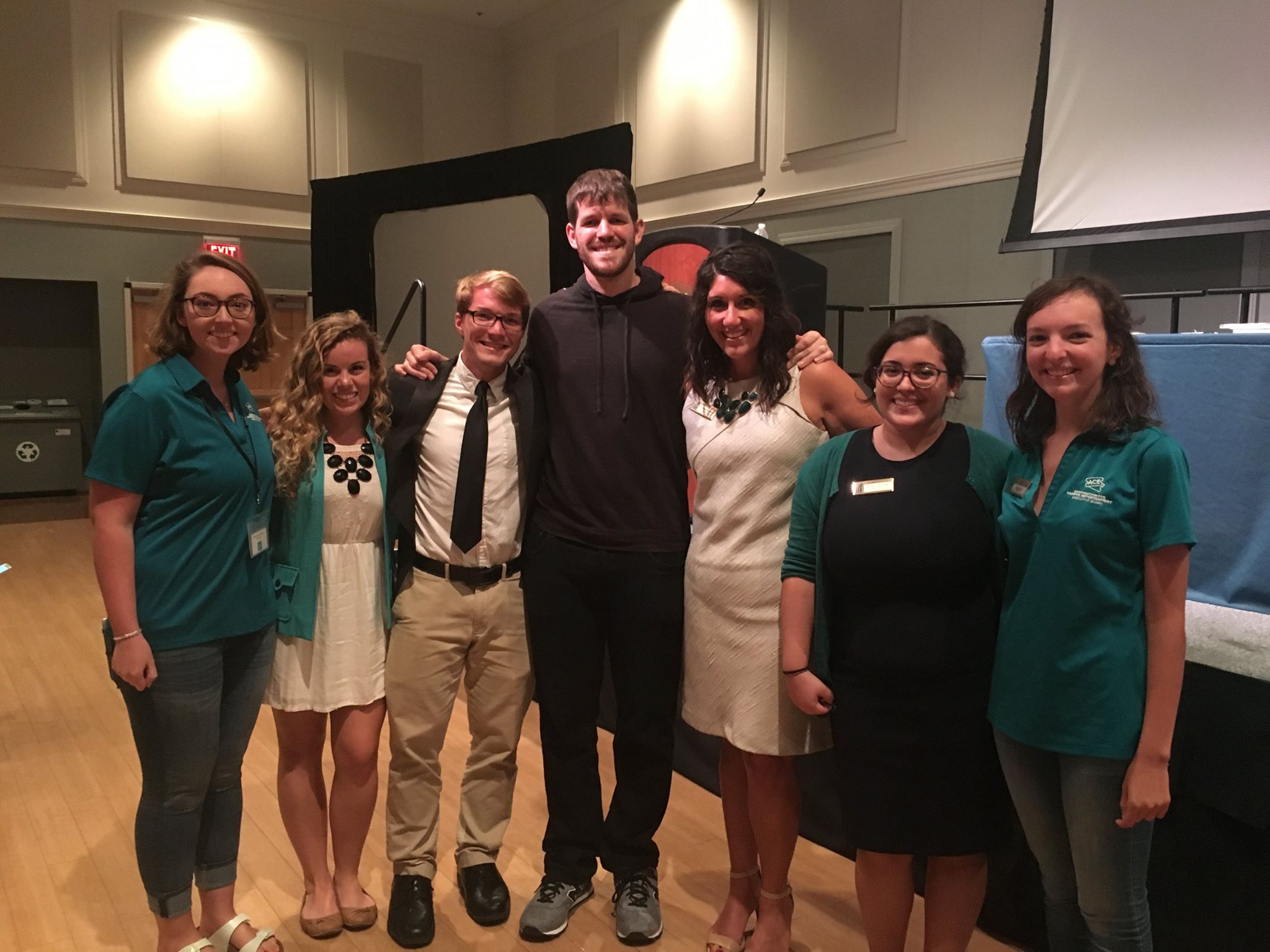
September 26, 2017: Lauren (far right) photographed here with Brandon Stanton (center), the creator of Humans of New York. Brandon’s work is the inspiration behind this post. Photo courtesy of Stefani Norris (right of Brandon).
“Interpersonal COM, public speaking, and PR have taught me how to market myself better to others so I feel more confident and ready to enter the workforce after I graduate.”
By: Katie Solinski
In 1971 Coca-Cola launched one of its very first in-color TV commercials. It was named; “I’d like to buy the world a Coke” and has been called, “one of the best-loved and most influential ads in TV history”. It featured a multicultural cast with actors and actresses from over 20 countries singing together on a hilltop in Italy. All holding a cold bottle of coke in their hands.
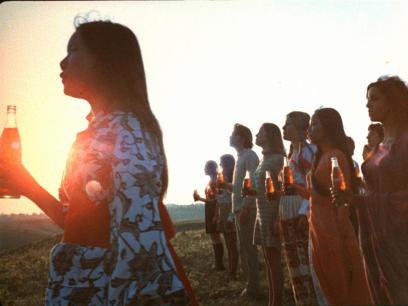
The commercial has been called “groundbreaking” and was a part of the Coca-Cola campaign, “It’s the real thing”. The slogan, as well as the commercial was created by Bill Backer (creative director for the Coca-Cola account at McCann). The idea of the commercial came to Backer while in an airport on the way to London. He quickly wrote down the words, “I’d like to buy the world a Coke and keep it company” on a white napkin so that he would not forget it in the morning.

Backer got help from established song writers Roger Cook, Billy Davis and Roger Greenway to write the full song for the commercial. The song became such a hit it was recorded by the New Seekers, a British pop-band. It was so idolized that it was played on the radio as a full-on song.
The lyrics read;
The commercial has received praise throughout the years, and rightfully so. Davis truly captured the essence of Coca-Cola’s brand identity explaining that, Coke was more than a liquid refresher. Saying that, Coke is a “tiny bit of commonality between all people”.

The commercial gave hope to a multicultural world in where a bottle of Coke could be shared together amongst anyone in “perfect harmony”. The Coca-Cola bottle was used as a symbol of peace. By using a multicultural cast the commercial aimed for a world filled with greater acceptance and inclusion. Erasing divisions between people with different skin colors, ethnicities, and backgrounds.
The commercial first aired in 1971. The same year as the US voting age was lowered to 18, Disney World welcomed it’s first visitors, the Pentagon Papers were published, and National Public Radio broadcasted for the first time.

A lot of things were changing at this time. You could possibly argue that in a state of doubt and anti-Vietnam war attitudes, Coca-Cola was ahead of its time releasing this “feel good” commercial focused on friendship and happiness. And it might have been a slight nod against the war oversees.
Take a look at the commercial yourself! Why do you think this became such a hit? Why do you think it resonated with people?
P.S. If you watched Mad Men, the final scene of the show is followed by the Coca-Cola Hilltop commercial. Showcasing just how iconic it was and still is today.
– Olivia Nilsson
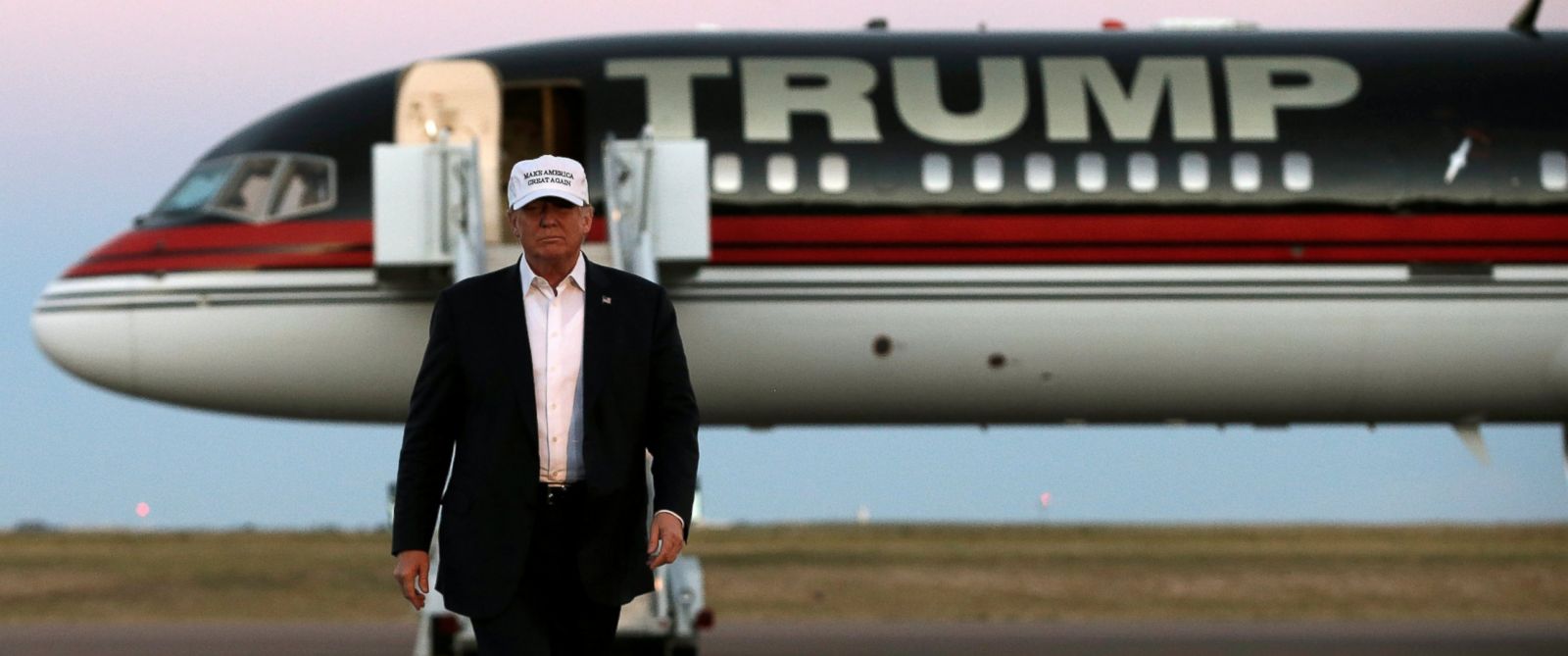
Donald Trump as a citizen and as a presidential candidate was known to get himself into sticky situations on social media, more specifically Twitter.
@realDonaldTrump engaged heavily in Twitter communication during the course of the election cycle. His ‘twitter-happy’ personality often came across aggressive and disrespectful. However, this was the brand that Donald Trump created for himself, as he knew what I was getting himself into.

A little less than a month ago, on January 20th, Donald J. Trump was sworn into the Office. Also on that day, the now 45th President adopted the Twitter handle @POTUS. With this transition comes a bigger responsibility of how the President chooses to communicate using social media. President Trump must now reinvent his social media communication strategy, and re-brand himself as the President of the United States.
Former President Barack Obama was the first president to utilize Twitter to communicate with the nation; However, the 44th President was not nearly as dependent on this form of communication as is President Trump.

Ever since President Trump entered office, he has been utilizing Twitter and Facebook heavily. I have personally seen several events streaming live via Facebook. As many of us know, it can take up valuable time to generate a powerful message with only 140 characters. As students who are studying communication, we understand that a key skill to have in the process of “managing mutual responding” is to be able to generate effective and efficient messages to convey understanding to listening parties. It is not easy, especially with a limit of 140 characters. President Trump, however, seems to have no problems generating messages throughout the day among his Presidential duties. I can almost see the book on the shelf now…The Art of the Tweet by Donald Trump.
Regardless of anyone’s opinions of President Trump’s policies, decisions, and beliefs, he is still breaking through barriers by trying to cut out the middleman in bringing you important information. If he is able to maintain ‘presidential etiquette’, do you think it is appropriate for President Trump to continue his frequent tweeting? Can this help prevent news sources from misinterpreting his attitude towards something, or an event that occurred? Just a couple points to think about.
~ Ben Yerby
Living in the US, the NFL is easily one of the most recognizable brands we come into contact with on a daily basis. More specifically, living in North Carolina, we are fully immersed in the mania and hype of “Panther Nation.”

The Carolina Panthers, like other franchises, maintain a prominent and consistent brand image among their target demographics. There are numerous ways that an organization of this magnitude must communicate with its audience in order to stand out among the many notable NFL “power franchises.” The typology, or types of messages that an organization delivers, must be tailored to the situation, the environment, and the audience that they are trying to reach.
The 2015 NFL season is one that Panthers fans will not soon forget. The team’s star quarterback, Cam Newton, and his fellow teammates rose in popularity as they went on a 15 game winning streak. The team was frequently seen unapologetically posing for mid-game photo-ops, while “dabbing” on their competition.
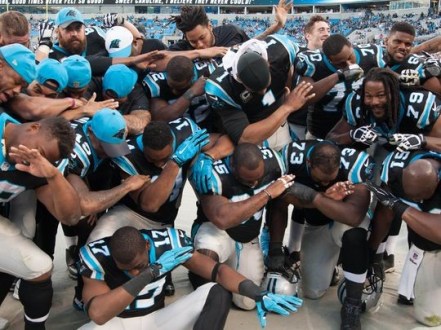
Cam Newton was awarded the coveted title of league MVP and the team even made an appearance in the Super Bowl. I think it’s safe to say that a season like that makes the marketing team’s job quite easy. First of all, the media delivers a great deal of positive, unplanned press for a consistently victorious team. There was even hype created about “the perfect season” before it even happened!

They were heavily represented by the media in a positive manner. The message was either about another Panthers victory, or something equally as amazing like Cam throwing his insane number of touchdown balls to kids in the stands.
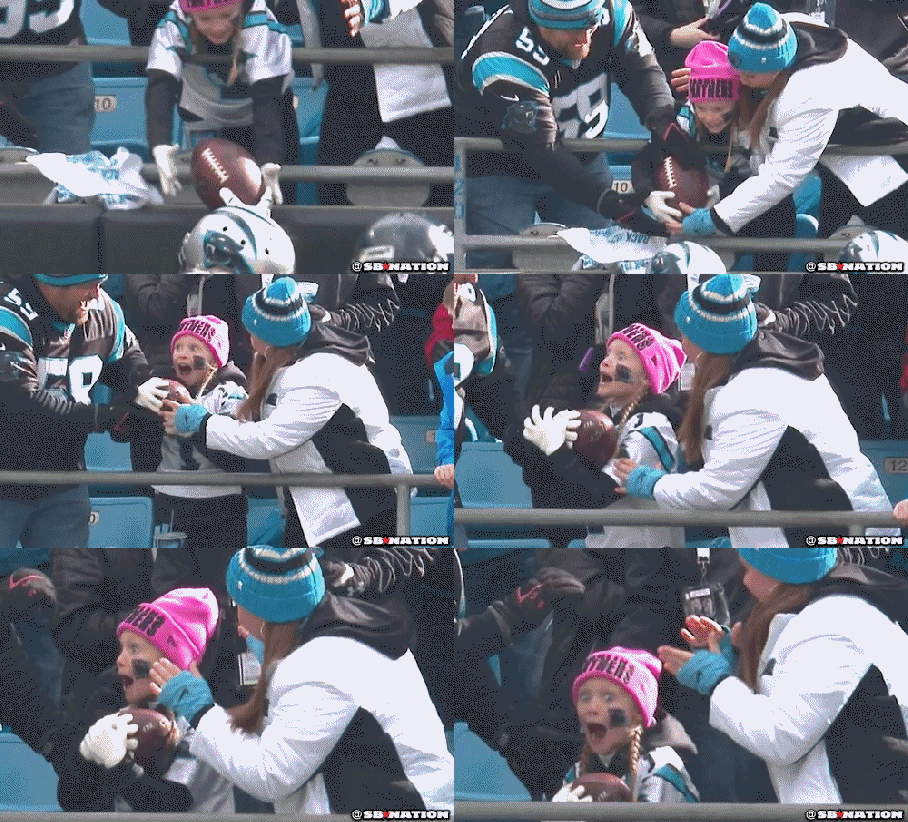
Secondly, football fans are obviously more likely to root for a team that delivers wins. Panthers fans began to come out of the woodwork to see what “Super Cam” or “Luuuuuke” would do at each game. Advertising and social media material was at no shortage due to their strongly positive image in the media, as well as their ever growing, ever enthusiastic fan base.
The marketing and branding techniques of the organization seemed to shift in a new direction after the crushing Super Bowl loss to the Denver Broncos. The social media updates, advertising, and media coverage transitioned to a much more humble, appreciative tone. The constant stream of “Keep Pounding” updates quickly transformed into a message of “We will work harder” and “next year is our year.”
Unfortunately for the Panthers, the 2016 season has certainly not been their year. So far the team’s record is 1 win and 5 losses. Even worse, their MVP sustained a concussion along with several other key players being placed on injured reserve. This has placed the organization at the bottom of the NFC South Conference. Their current struggle has caused a shift in the typology of the organization’s communication methods. Instead of relying on positive media attention and bandwagon fans, the focus has been more on philanthropy, hard work, and the “ride or die” fan base. Without the epic victories and record breaking plays to broadcast, the Panthers are forced to look for content that comes from within its organizational culture and soul. Recent communication from the Panthers places a larger impact on team motivation and hope for the future:
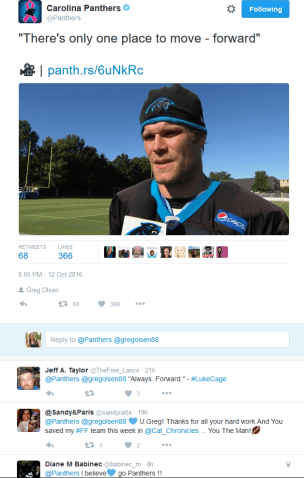
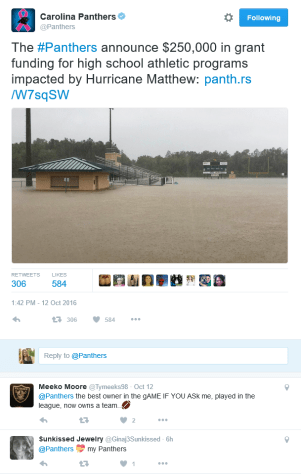
While other messages highlight the organization’s charitable efforts and donations.
A small sigh of temporary relief likely comes from the generally supportive response the Panthers have received from their true fans:

Although the NFL audience may be harsh and unforgiving at times most fans stay loyal to their favorite team, no matter how stormy the weather. The determination and optimism found within the typology of the Panther’s messages will likely resonate with true fans and keep them coming back for more!
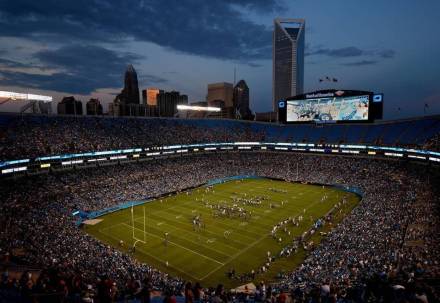
Are you a Panthers fan? If so, are these communication strategies keeping you hopeful for your team, or are you fed up and just ready to see some wins? Let us know what you think!
-“PR and IMC: The Benefits of Integration” Public Relations Quarterly, Fall, 1994, 38-44
Applying for jobs has many young adults worried. There are ways, however, to boost your chances of landing that job. Creating a Linkedin Profile is one way to show your professionalism and is a good way to network with countless other people, but you are probably thinking that many people have these profiles. How can you make yours stand out? We have some tips that you can use when crafting your profile.
Linkedin allows it users to connect with others and start groups. It is important to be in groups because the more groups you are in the more likely you will be found when searched by an employer. Be sure to only join groups that are relevant to the jobs you want to get. The more groups you are a part of the more times your name your will appear in front of someone looking to hire. You can really make yourself standout by leading a group too.
The more descriptive you are in your summary the better your chances will be in attracting attention to your profile. This space allows you to tell what separates you from your peers. It is a good resource to share your story. Also, be sure to include many keywords in the “speciality” section so that when searched, your profile will show up sooner. 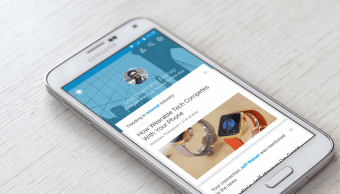
3. Keep it Professional
Your Linkedin profile should be completely different than your Facebook profile. Linkedin is not a place to chat with your friends or create a profile to see how many shares or likes it can get. It is about networking and giving companies an online representation of who you are. Your profile needs to be organized. If your profile is a mess then whoever is looking at your page will assume that you are a mess too.

Linkedin gives its users the opportunity to attach files or link websites in the profile. It is important to utilize this so that employers have a direct link to see the work you have done. Do not be afraid to show off your work and be proud of what you have done. Remember confidence is key. Make your profile a confident one.
Your Linkedin profile should not be outdated. A profile is not created and then left to be alone. It should be in motion and kept up to date. Your profile needs to constantly be updated so that employers see all your experience. If you leave important information out then they will have no way of knowing of it. They can only see what you put out there. Adding that extra information could mean the difference between getting hired or getting overlooked. If you have experience then be sure to let them know. Do not limit yourself.
Let us know what you think of our tips and be sure to comment below if you have any of your own that you would like to share!
-Austin, Jonathan, & Kaela
Photo Sources
http://exclusive.multibriefs.com/images/exclusive/1217linkedin.jpg


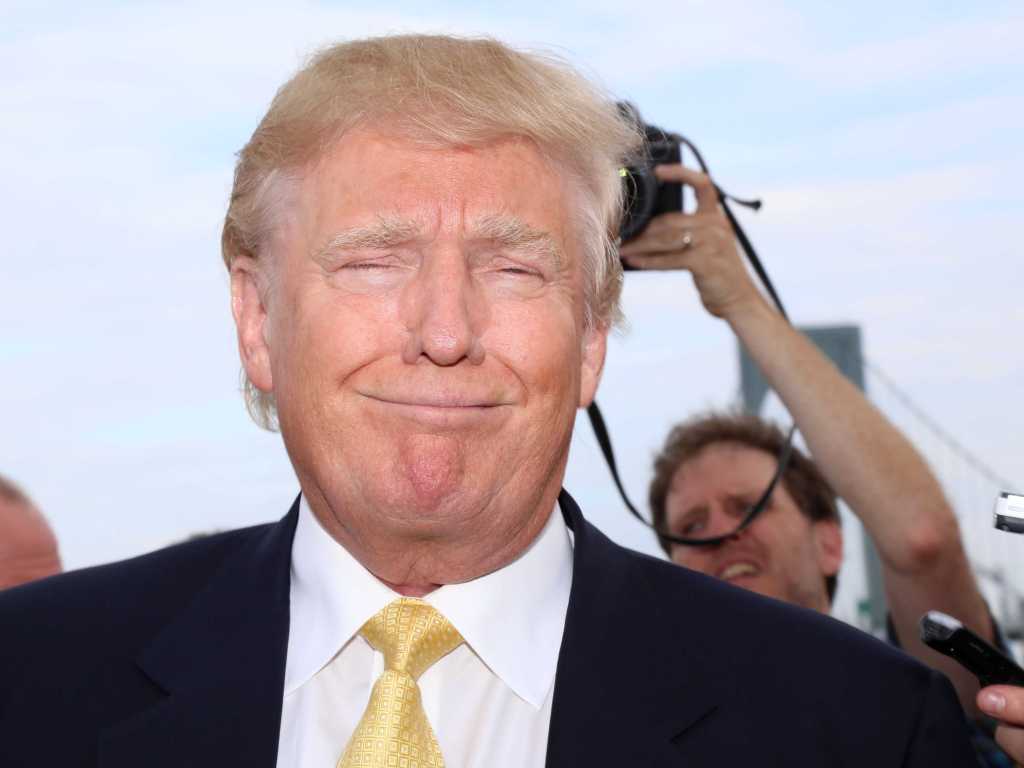
The race for our next presidential candidates has been nothing short of entertaining this year, to say the least. The Republican Party’s posterchild, Donald J. Trump, is currently the frontrunner in polls. When Trump announced his presidential campaign, our nation couldn’t help but look incredulously at the millionaire mogul who’s already built his successful brand through business, franchises and TV networks. Despite bluntness, controversial statements and even discrepancies in political speeches, Trump has garnered the support of thousands of Republicans and the praise of being one of the most candid, or “authentic” candidates—but how and why?
Perceptions of Authenticity
Can a political candidate, or anyone for the matter, be authentic? In short, no. Or at least this is what Andrew Potter argues, author of The Authenticity Hoax, a 2010 book that criticizes the modern individual’s search for an ultimately unattainable “authentic” self.
In his chapter titled “Vote for me, I’m Authentic” Potter delves into the issue of voter apathy in democratic societies and how political campaigning and the media affect this. Most of us are used to manufactured speeches and the all-talk-no-results perception of politicians—and there’s been a trend of voter apathy, or the choice to not vote, in developed countries.
Trumps political extremism manufactures a perception of authenticity which could motivate U.S. citizens to vote who may consider themselves apathetic. He delivers seemingly uncensored and extemporaneous speeches—however questionable they may be—that echo his results-oriented business background. Why does he have a larger following than, say, Carly Fiorina, former CEO of HP and businesswoman alike?
The Media Controls It
Agenda-setting theory, anyone? This communication theory says that the media manipulates what the public thinks is important. Basically, whatever stories have the most coverage in the news become the “important” issues—the flavor of the week. Trump, for a variety of reasons, has been covered practically every day by some type of media outlet since he announced his participation in the race. You probably have read a story or two about Trump, even if you didn’t want to.
In a recent example of agenda setting not involving Trump—who won the first Democratic debate? Major media reports that Hillary Clinton was the clear winner when, according to online polls, Bernie Sanders was voted the winner by viewers. Is this a disparity of choice or opinion? Potter writes, “The media’s pundit class feeds this gladiatorial conception of political debates by treating them as a boxing match, with the post-debate analysis invariably focused on who scored what points, and whether any of the candidates was able to strike the mythical “knockout blow” (p. 172). While the media like to sensationalize, there are other factors involving what the media cover. In short, the media, across multiple outlets, can report that Hillary Clinton won when voters disagree. How do we evaluate the ways we receive our news?
Trump’s Brand
Like all political candidates, Trump is a brand. Donald Trump is a symbol, a message and a vehicle for his message. Trump is a business icon and has built an empire over many years, but why is Trump running for president, too? Political IMC is integral to the success or failure of a candidate’s campaign—establishing ethos, effective marketing, political advertising, event planning and speech writing are just some components that go into the branding of a politician.
“‘’Some people think this will be good for my brand,’ Trump concluded, as deep as he probes. ‘I think it’s irrelevant for my brand.’” This blasé quote came from Trump himself in a feature written by Mark Leibovich in the New York Times Magazine.
I disagree with Mr. Trump. For public figures, every extension of oneself, every action, participation, speech, statement, declaration affects one’s brand. One’s brand is the essence and the story of who they are. While Trump will probably only gain revenue and face time with his campaign, to say that it doesn’t affect his brand is nonsense. Whether it’s good or bad is a value judgment, but it’s fair to say that is not now, Trump’s brand will see the effects of this year’s political campaign.
 IMC Hawks Blog